DAO Demystified: A Beginner's Guide to Decentralized Autonomous Organizations
Decentralized Autonomous Organizations (DAOs) are changing the way groups collaborate by leveraging blockchain technology for transparent, community-driven management. Unlike traditional companies with CEOs and hierarchies, DAOs use smart contracts to empower members to propose, vote on, and implement decisions collectively. As interest in cryptocurrencies and Web3 expands, DAOs present a modern approach to organizing people and resources around shared goals. For newcomers, understanding what makes DAOs unique—and how they operate—opens new opportunities for active participation or investment in crypto ecosystems.
What Is a DAO? The Basics Explained
The Core of a DAO
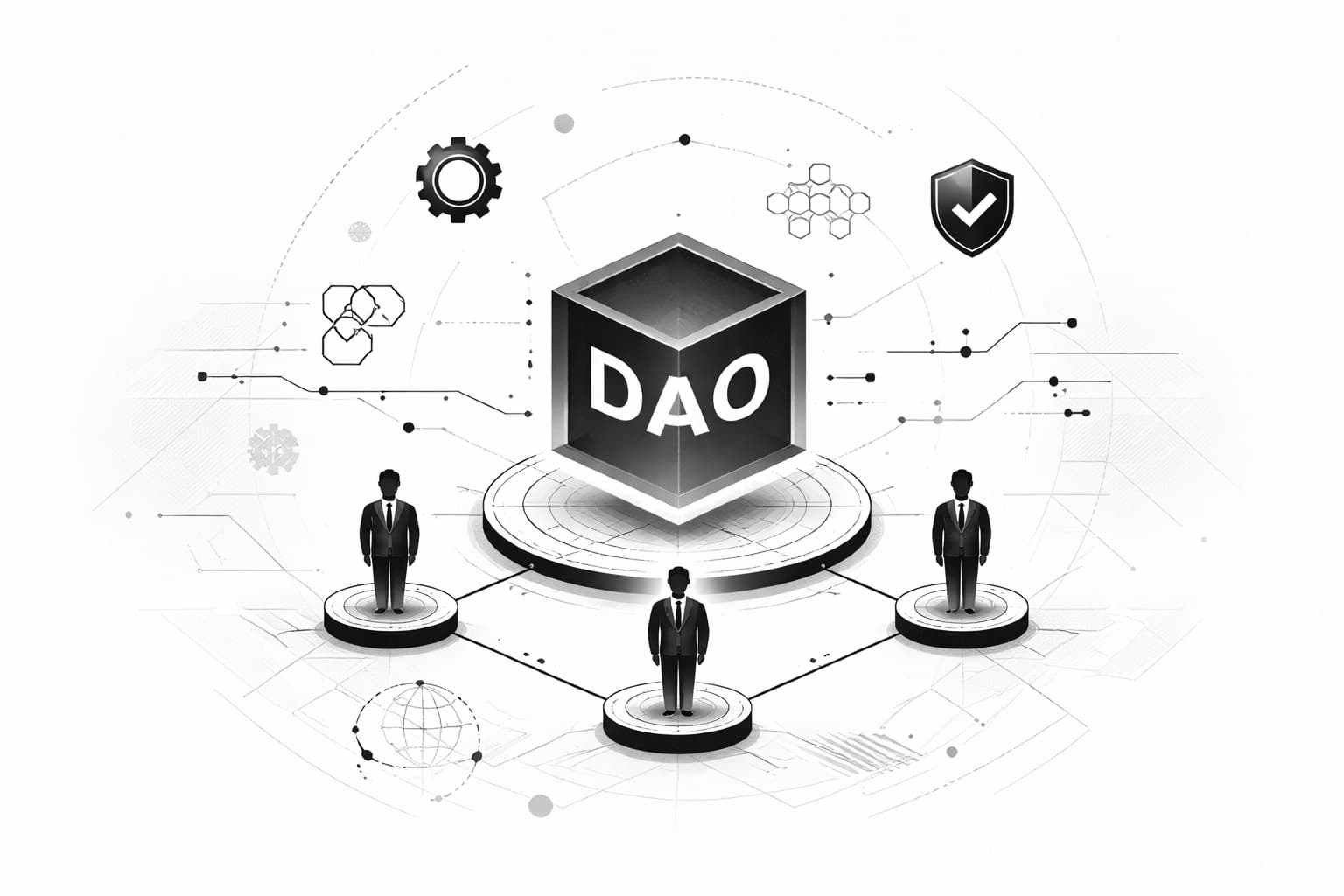
A Decentralized Autonomous Organization (DAO) is a group whose activities and decisions are managed by transparent, automated rules on a blockchain, rather than a central leader. Simply put, a DAO lets people work together and make collective decisions without handing power to one controller. The community runs the organization by following rules coded as smart contracts, which are self-executing programs that live on the blockchain. For more details on how these contracts work, see this guide to smart contracts.
At its heart, a DAO removes the need for trust in individuals—members trust the code.
How DAOs Differ from Traditional Organizations
Traditional organizations often rely on managers or executives to make decisions, which can lead to opaque processes and concentration of power. In contrast, DAOs operate publicly—all actions and votes are visible on the blockchain. Decision-making is distributed among members, who can often suggest and vote on initiatives directly.
Transparency: Every rule, vote, and change is traceable.
Structure: No CEO or board; the code sets governance.
Participation: Members join discussions and governance equally.
Typical Objectives of DAOs
Pool funds for investment or shared resources
Build open-source projects collectively
Manage decentralized communities
Distribute grants or support innovation
How DAOs Operate: Rules, Voting, and Smart Contracts
Smart Contracts as the Backbone
DAOs run on blockchain technology using smart contracts—self-executing programs that automate rules and operations. Once programmed, these contracts enforce governance without outside intervention, resolving actions like transferring funds or counting votes as soon as criteria are met. This process guarantees reliability and removes the need for trusted middlemen. For more on the basics, see what smart contracts are and how they work.
How Proposals and Voting Work
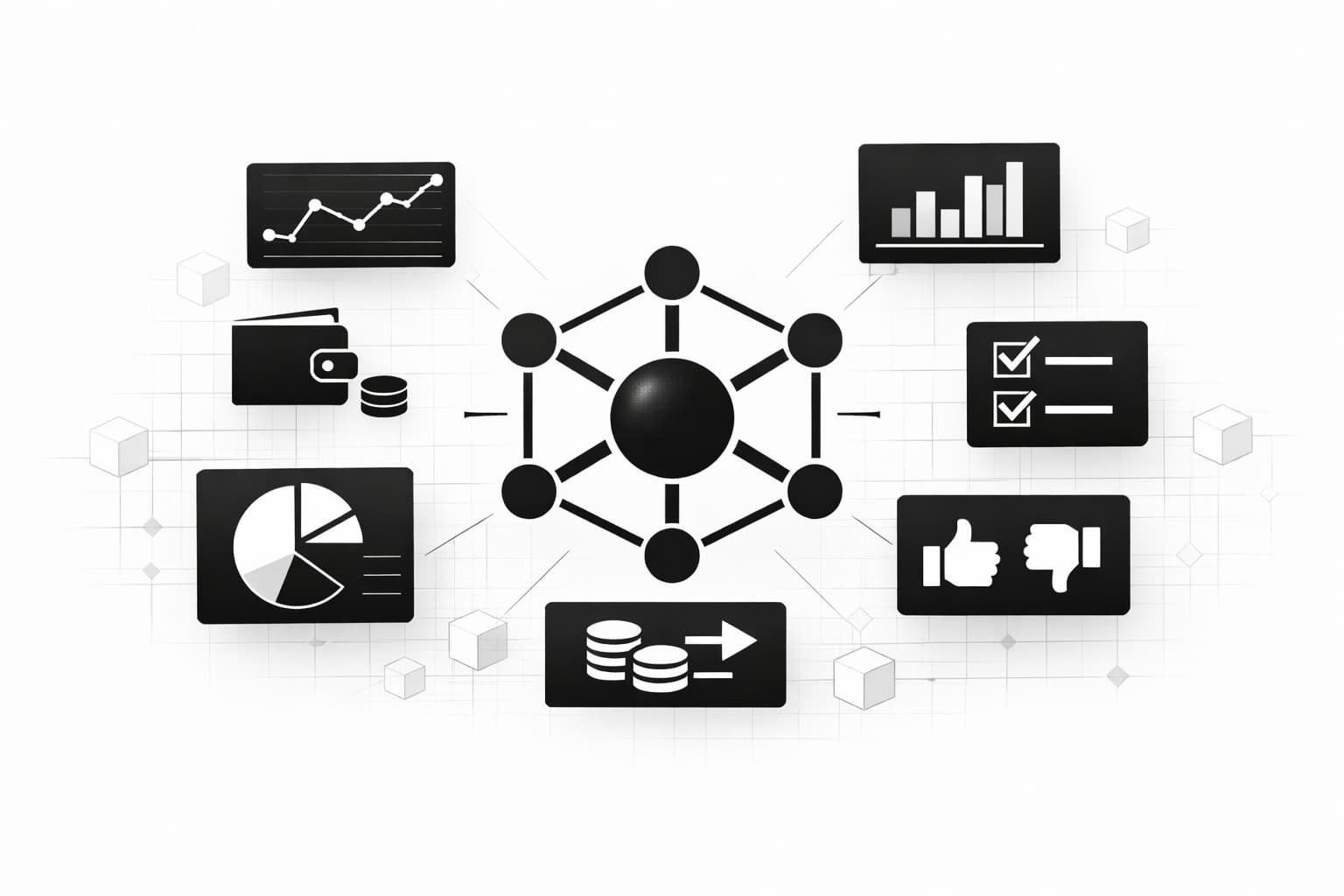
Within DAOs, members make proposals—ideas for funding, rule changes, or project directions. Proposals are submitted and shared publicly. Open discussion follows, where community members debate the merits and potential impact.
Proposal submission to the blockchain.
Discussion phase among the community.
Voting period, after which the smart contract enforces the outcome.
Common Voting Systems
One-token-one-vote: Every token gives one vote. Members with more tokens have greater influence.
Quadratic voting: Voting power increases quadratically with tokens used, rewarding broader participation over wealth concentration.
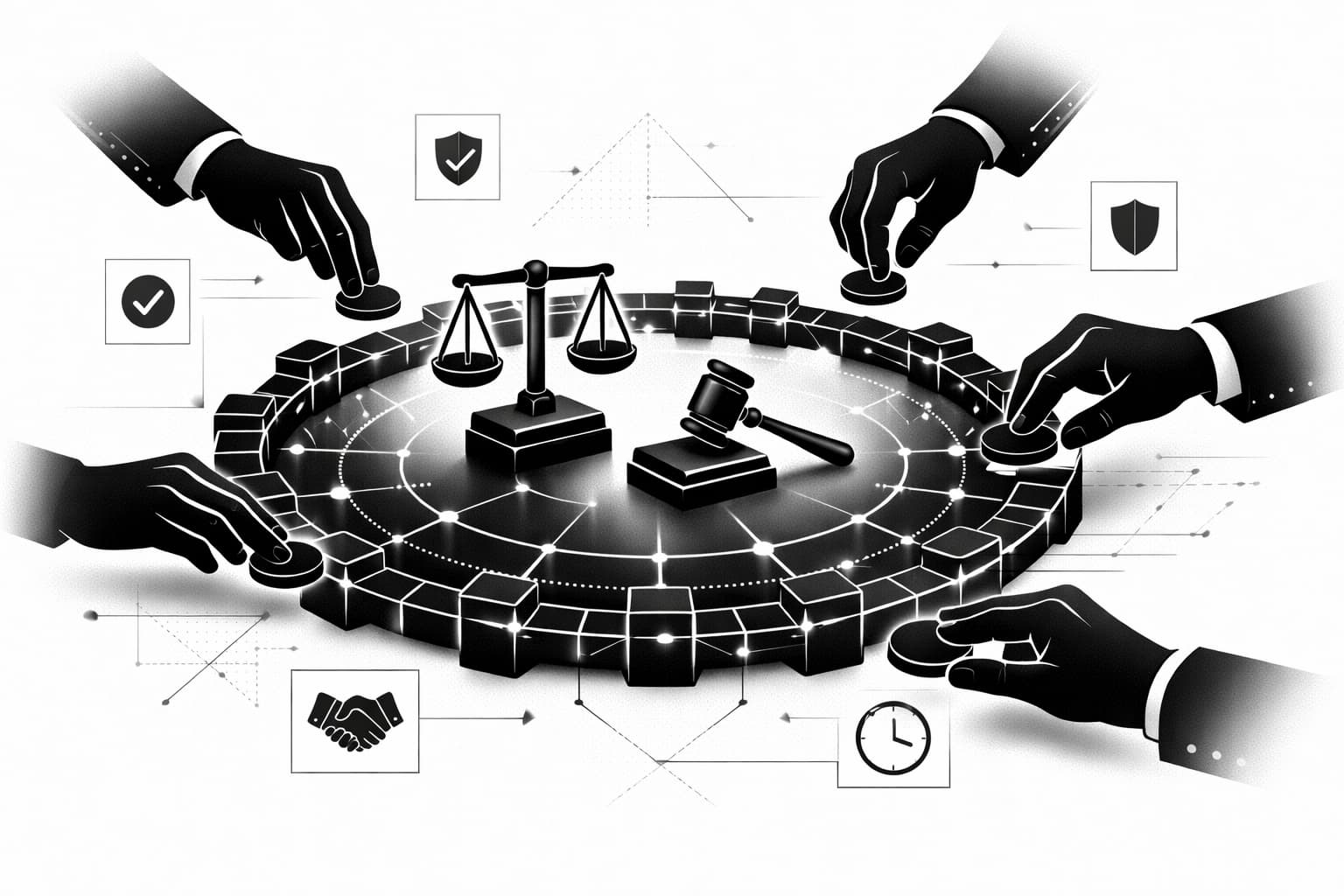
DAOs replace closed-door decisions with transparent, automated governance where all actions are visible and verifiable on-chain, differentiating them clearly from traditional organizations.
DAO Membership: Roles, Tokens, and Participation
Becoming a DAO Member: The Significance of Token Ownership
Individuals typically join a DAO by acquiring governance tokens. These tokens are more than digital assets—they are an entry pass granting influence and participation within the organization. Holding tokens gives members the right to propose initiatives, vote on key decisions, or even access exclusive DAO resources. If you're curious about different types of tokens, see this guide: crypto-tokenomics basics.
Governance Tokens: Voting, Rewards, and Access
Governance tokens are at the heart of DAO participation. Each token often provides voting power, letting members shape project direction, select leaders, or change protocol rules. Sometimes, holding or staking these tokens offers users additional rewards or unlocks certain features within the DAO.
Owning governance tokens transforms community members from passive observers into active decision-makers shaping the DAO's future.
Roles Within the DAO
DAO members may assume diverse roles based on their interests and skills. Common roles include:
Proposer: submits new ideas or initiatives
Voter: participates in governance by casting votes
Contributor: actively helps with DAO projects or operations
Common Ways to Join or Participate in a DAO
Buying governance tokens on a crypto exchange
Receiving tokens as payment for contributing work
Joining community events with token rewards
Participating in DAO-provided onboarding or mentorship
Getting invited based on reputation or expertise
DAO membership is open to anyone with the required tokens, supporting a transparent and inclusive approach to collective governance.
Benefits and Risks of DAOs
Why DAOs Appeal: Key Advantages
Decentralized Autonomous Organizations are unique because they empower community-led initiatives with no centralized authority. Their appeal lies in several transformative features:
Transparency: All transactions and decisions are visible on the blockchain, creating an open record.
Inclusivity: Anyone with internet access can join and participate, leveling the playing field worldwide.
Decentralization: Power is distributed across members, reducing the risk of manipulation by a single party.
Global Access: Borders do not constrain participation; contributors from any country can collaborate.
Shared Ownership: Members typically hold tokens, representing stakes and aligned interests in the organization’s direction.
DAOs redefine governance by handing direct power and responsibility to participants.
Main Risks: The Flip Side
Despite the benefits, DAOs are not without significant challenges:
Security Vulnerabilities: Code exploits or smart contract bugs can place funds at serious risk. For more on technical underpinnings, see this smart contract guide.
Voter Apathy: Many members may not vote or review proposals, leading to governance by a small, active minority.
Legal Uncertainty: DAOs often operate in gray areas where laws and regulations are still undeveloped.
Consensus Challenges: Diverse communities can struggle to agree, sometimes resulting in decision-making gridlock.
DAO Pros & Cons at a Glance
Pros: Transparency, inclusivity, decentralization, global reach, shared stakeholder power
Cons: Security risks, lack of engagement, unclear legal frameworks, slow or difficult governance processes
Getting Involved: Finding and Joining Your First DAO
Exploring DAO Discovery Platforms
The journey into DAOs often begins by browsing reputable online hubs. DAO aggregators showcase a wide variety of active projects and communities, making them excellent starting points. Social platforms like Discord and Telegram are also key venues, offering direct access to ongoing discussions, events, and DAO updates.
Start by observing conversations and public meetings to gauge the activity level.
Assess if the intent and vision align with your interests before taking further steps.
Evaluating DAO Credibility
Before joining, dedicate time to research. Read the DAO’s mission statement, governance documents, and review past proposals. Look for transparency in their operations; reputable DAOs openly share budgets, voting histories, and clear rules of engagement. Use online forums and community threads to see how decisions are made and how newcomers are welcomed. For a deeper dive into underlying concepts, check this in-depth guide on DAOs.
From Observer to Participant
Begin with observation—listen and learn before engaging.
As you grow more comfortable, introduce yourself in appropriate channels, react to proposals, and ask questions. Here are some beginner steps:
Read and comment on governance proposals.
Participate in polls or token-weighted votes.
Share feedback in dedicated forums.
Gradually, your contributions will build trust, preparing you to help shape the DAO’s future.
Final words
As crypto communities continue to evolve, DAOs mark a significant shift in group collaboration, decentralization, and digital governance. By understanding DAO fundamentals, newcomers can appreciate why these organizations matter—and how to engage safely and effectively. Whether you're curious about decision-making without bosses, eager to influence crypto projects, or simply seeking to learn, DAOs offer promising opportunities. Just as with any frontier, thoughtful participation and continued learning are keys to success. Take your first steps at your own pace, observe, and gradually get involved. DAOs are shaping a new form of online collaboration—one where your voice and vote directly shape tomorrow’s projects.
FAQ
What does DAO stand for?
DAO stands for Decentralized Autonomous Organization, a group governed by blockchain-based smart contracts instead of central leadership.
How do I join a DAO?
Most DAOs require you to own their governance token or join their online community. Research, observe, and participate in discussions to get started.
Are DAOs safe to use?
DAOs can be vulnerable to security flaws in code or governance. Always research a DAO’s reputation and never risk more than you’re willing to lose.
What can members do in a DAO?
Members can propose ideas, vote on decisions, contribute skills, manage funds, and help shape the direction of the DAO’s projects or community.
Author

Crypto analyst and blockchain educator with over 8 years of experience in the digital asset space. Former fintech consultant at a major Wall Street firm turned full-time crypto journalist. Specializes in DeFi, tokenomics, and blockchain technology. His writing breaks down complex cryptocurrency concepts into actionable insights for both beginners and seasoned investors.