What Is a Bitcoin Maximalist? Philosophy & Criticism Explained
What Is a Bitcoin Maximalist? (A Simple Definition)
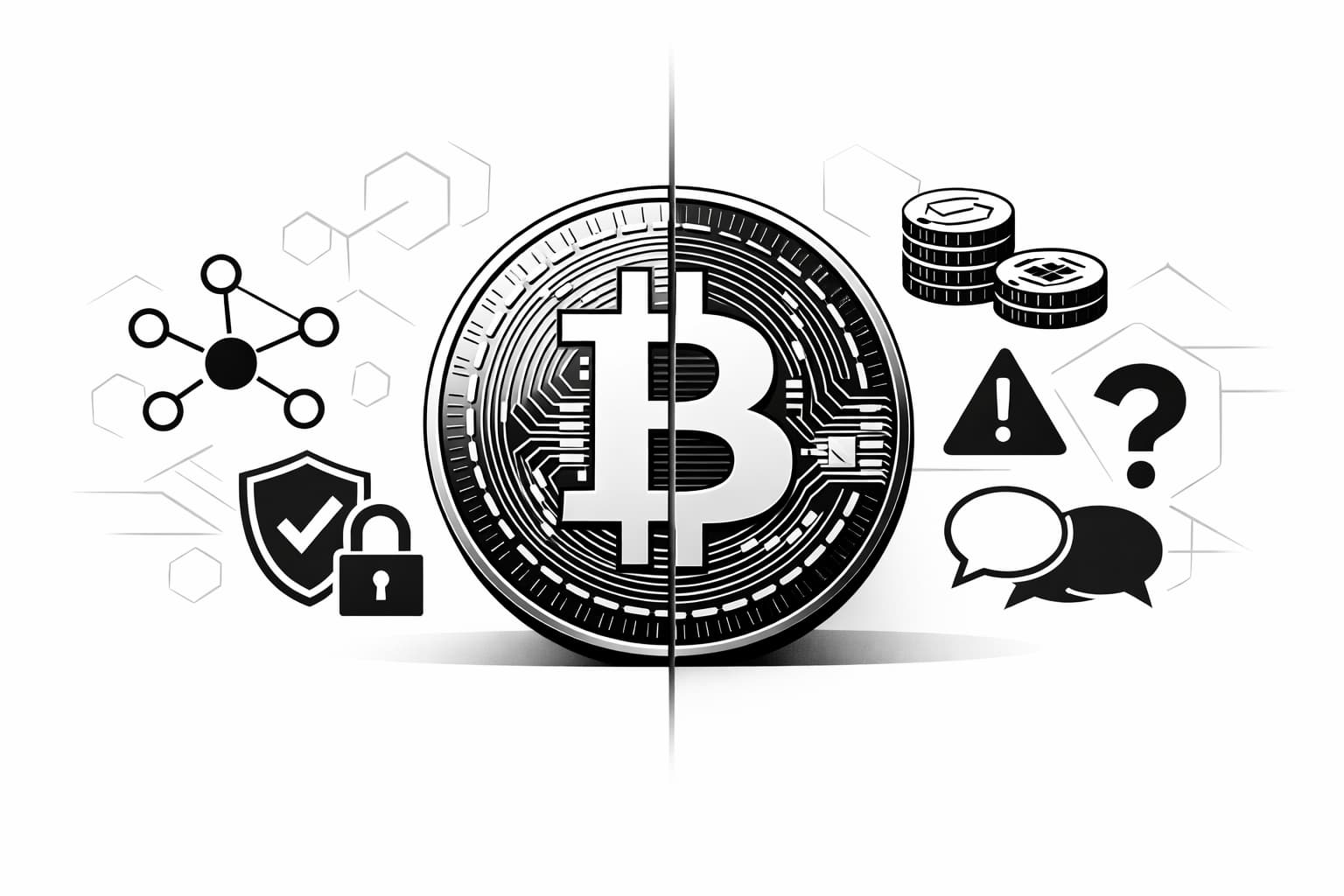
A Bitcoin maximalist is someone who believes that Bitcoin is the only cryptocurrency that is necessary and will have long-term value.

This viewpoint is more than just a simple preference; it's a core philosophy that influences a significant portion of the conversation in the digital asset world. Understanding this perspective is essential for making sense of the ongoing debates between Bitcoin and the thousands of other cryptocurrencies, often called "altcoins." Think of it like the early internet. Some pioneers believed the open, universal standard (TCP/IP) was the only protocol that mattered for global communication, viewing proprietary networks like AOL as temporary distractions. In the same way, a Bitcoin maximalist sees Bitcoin as the foundational monetary protocol for the digital age—the one truly decentralized and secure network that will stand the test of time.
The Historical Context: How Did Bitcoin Maximalism Emerge?
To understand why this viewpoint exists, we have to travel back to the earliest days of cryptocurrency. For the first couple of years after its creation in 2009, Bitcoin stood alone. It was the only project, a singular experiment in digital scarcity and decentralized money. The community was small, focused, and united around a common goal.
This changed around 2011 with the arrival of the first "altcoins," or alternative cryptocurrencies. Projects like Litecoin and Namecoin appeared, often by copying Bitcoin's code and making minor adjustments. Some changed the mining algorithm, while others promised faster transaction times. As hundreds, then thousands, of new coins emerged in the following years, a significant portion of the original community grew skeptical.
They saw these new projects as distractions that fragmented attention and capital away from Bitcoin. To them, these altcoins lacked the unique, unrepeatable "immaculate conception" of Bitcoin's launch and its proven security. This defensive stance solidified into a distinct philosophy. The term bitcoin maximalist began to describe someone who believes that Bitcoin is the only digital asset that will, or should, succeed in the long run, viewing all others as inferior or unnecessary experiments.
The Core Philosophy of a Bitcoin Maximalist
Understanding the mindset of a bitcoin maximalist requires moving beyond simple investment choices and into a deeply held set of principles. The core philosophy is based on several key beliefs that, when combined, create a powerful argument for Bitcoin's singular importance in the digital age.
- Primacy of Decentralization and Security
- Bitcoin as the Only True Digital Gold
- The Network Effect and Lindy Effect
- Skepticism Towards Altcoins ('Scams')
Each of these ideas builds on the last, forming the foundation of the maximalist worldview. Let's explore what each one means.
Primacy of Decentralization and Security
For a maximalist, the single most important feature of any cryptocurrency is its level of decentralization. They argue that Bitcoin is the only network that has achieved true, global decentralization. With no central authority, no CEO, and no headquarters, it cannot be easily controlled, censored, or shut down by a government or corporation. This is a vital distinction in the case against a digital dollar and other centrally-controlled digital currencies. This decentralization is protected by an immense network of miners, making it the most secure computing network in history. For maximalists, any compromise on decentralization for features like faster transaction speed is a fatal flaw.
Bitcoin as the Only True Digital Gold
Another central tenet is the idea of Bitcoin as a finite digital asset, often called "digital gold." Its supply is capped at exactly 21 million coins, a rule embedded in the code that cannot be changed. This predictable scarcity contrasts sharply with traditional currencies, which can be printed at will by central banks, and with many other cryptocurrencies that lack a fixed supply. Maximalists believe this makes Bitcoin a superior store of value, protecting wealth from inflation over the long term. The energy-intensive "proof-of-work" mining process is seen as a feature, not a bug, as it gives Bitcoin a tangible cost of production, much like real gold.
The Network Effect and Lindy Effect
Maximalists frequently point to two concepts to explain Bitcoin's staying power. The first is the Network Effect, where a network becomes more valuable as more people use it. With its first-mover advantage, Bitcoin has the largest base of users, developers, miners, and merchants, creating a gravitational pull that is difficult for any competitor to overcome. The second concept is the Lindy Effect, which suggests that the longer something non-perishable survives, the longer it is likely to persist in the future. Having operated without interruption since 2009, Bitcoin has proven its resilience, and maximalists believe its odds of future survival increase with every passing day.
Skepticism Towards Altcoins ('Scams')
This philosophy naturally leads to a deep skepticism towards altcoins. From the maximalist perspective, nearly all other cryptocurrencies are pale imitations that make critical compromises. They often point to the centralized nature of altcoin projects, which are typically managed by foundations or for-profit companies that can influence the protocol. They see these projects as unnecessary, insecure, and often designed primarily to enrich their founders and early investors rather than to create a truly decentralized monetary system. To a bitcoin maximalist, these "altcoins" distract from the main goal and introduce risks that Bitcoin solved years ago.
Major Criticisms and Counterarguments
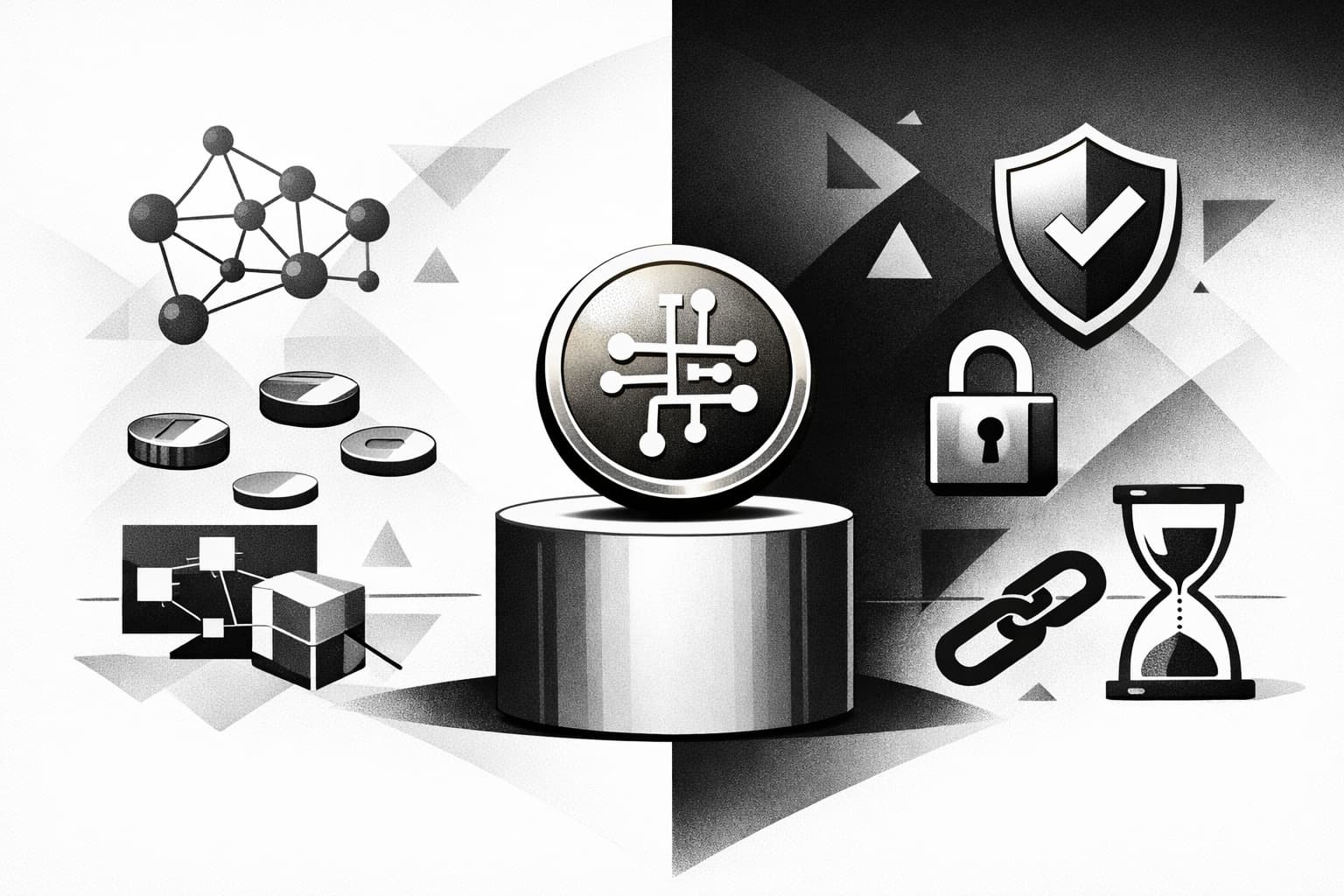
While the philosophy of Bitcoin Maximalism is built on a strong set of principles, it is not without its share of significant criticism from the broader cryptocurrency community. Understanding these objections is key to seeing the full picture of where Bitcoin stands in the digital asset ecosystem in 2026. These critiques generally fall into three main categories.
Stifling Innovation and Competition
One of the most common arguments against the maximalist viewpoint is that it actively discourages innovation. Critics point to other blockchains that have introduced groundbreaking technologies, such as the complex smart contracts that power decentralized applications on Ethereum or the high-speed, low-cost transactions offered by newer networks. From this perspective, a committed bitcoin maximalist might dismiss these developments as distractions or security risks, potentially overlooking valuable technological progress that could benefit everyone. The counterargument from maximalists is often that these added features introduce complexity, which in turn creates new vulnerabilities and centralization pressures that Bitcoin was specifically designed to avoid.
The 'Toxic' Community Perception
Another frequent criticism centers on the culture surrounding maximalism. The community has developed a reputation for being dogmatic and sometimes aggressive toward those who support or develop other crypto projects. This uncompromising stance can be perceived as "toxic" by outsiders, creating an unwelcoming environment for newcomers curious about digital assets. Critics argue this approach hinders mainstream adoption by alienating potential allies and participants. On the other hand, many maximalists view this behavior as a passionate defense of sound money principles, believing they are protecting new users from the many scams and flawed projects prevalent in the crypto space.
Ignoring the Evolution of Blockchain Use Cases
Finally, many in the crypto world believe that maximalism is too narrowly focused. By concentrating almost exclusively on Bitcoin as a store of value and ultimate form of money, the philosophy tends to disregard the explosion of other use cases for blockchain technology. Fields like decentralized finance (DeFi), non-fungible tokens (NFTs), and decentralized autonomous organizations (DAOs) represent a vast expansion of what a blockchain can do. Critics contend that ignoring these areas means missing out on the technology's full potential. The maximalist rebuttal is that these applications are largely speculative and that securing a truly decentralized monetary base layer is the single most important and world-changing use case, making all others secondary.
Bitcoin Maximalism vs. Other Crypto Philosophies
While the Bitcoin-only philosophy is a powerful force, it is far from the only vision for the future of digital assets. The broader cryptocurrency space is filled with competing ideas about what a blockchain should be and do. Understanding these alternatives helps to place the bitcoin maximalist position in context.
One prominent alternative is the multi-chain or interoperable future. Projects like Polkadot and Cosmos are built on the idea that many different blockchains will coexist, each specializing in a particular function. In this view, the goal isn't for one chain to win but for many chains to communicate seamlessly. Think of it like the internet, where different protocols work together. A maximalist, however, would argue that for the critical function of money, there can only be one winner to achieve maximum network effect and security.
Another major philosophy is embodied by Ethereum, often described as a "world computer." This vision sees the blockchain not just as money, but as a global, programmable platform for building decentralized applications (dApps) for everything from finance to social media. For a bitcoin maximalist, this increased complexity expands the attack surface and detracts from the singular, vital mission of creating a perfectly secure and decentralized monetary system.
The Future of Bitcoin Maximalism in 2026
As we look at the digital asset space in 2026, the philosophy of Bitcoin Maximalism faces both new validations and significant challenges. The continued growth of the Lightning Network, enabling faster and cheaper transactions, has certainly strengthened the argument that Bitcoin can function as a medium of exchange. This development, combined with increasing institutional adoption of Bitcoin as a reserve asset, seems to confirm core maximalist predictions about its role as sound money.
However, the explosive innovation in decentralized finance (DeFi) and smart contracts, predominantly on other blockchains, presents a powerful counterpoint. The central question for the future is whether Bitcoin’s singular focus on security and decentralization is enough. The relevance of the bitcoin maximalist perspective will likely hinge on Bitcoin’s ability to evolve and meet user needs in a world where other networks offer a vast array of financial tools and applications.
Key Takeaways
To bring everything together, here are the main points to remember about the philosophy and debate surrounding Bitcoin Maximalism:
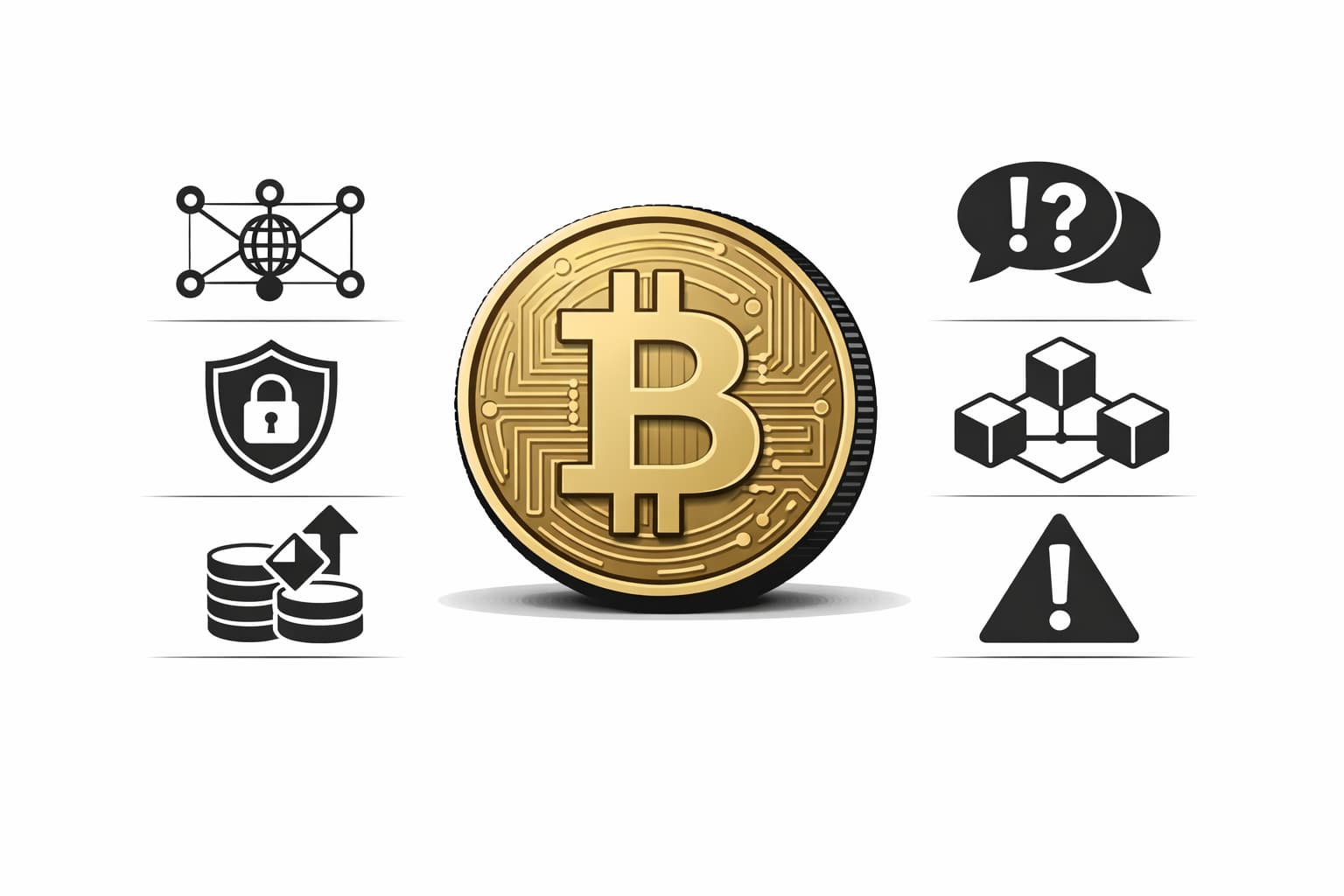
- A bitcoin maximalist is someone who believes Bitcoin is the only legitimate digital asset and will eventually become the world's dominant form of money, rendering all other cryptocurrencies unnecessary.
- This belief is founded on Bitcoin's unparalleled decentralization, security through proof-of-work, and fixed supply, which proponents see as a necessary foundation for a global, non-state currency.
- Major criticisms of this viewpoint include that it can support a toxic community, dismisses valid technological innovations from other projects, and may limit the potential applications of blockchain technology beyond just money.
- As of 2026, the ongoing tension between maximalism and the vision of a multi-chain future continues to be a central debate influencing the evolution of the digital asset space.
Frequently Asked Questions
- What is a Bitcoin maximalist?
- A Bitcoin maximalist believes that Bitcoin is the only digital asset that will be needed in the future. They see it as the ultimate form of sound money due to its unique decentralization and security. From their perspective, all other cryptocurrencies are inferior distractions that will eventually become worthless against Bitcoin.
- What does it mean to be a Bitcoin maxi?
- "Bitcoin maxi" is the common slang term for a Bitcoin maximalist. It describes someone with a deep conviction in Bitcoin's superiority, based on its fixed supply, security, and true decentralization. Maxis generally dismiss "altcoins" as centralized, insecure, and unnecessary experiments that cannot compete with Bitcoin's primary use case.
Sources
Author

Crypto analyst and blockchain educator with over 8 years of experience in the digital asset space. Former fintech consultant at a major Wall Street firm turned full-time crypto journalist. Specializes in DeFi, tokenomics, and blockchain technology. His writing breaks down complex cryptocurrency concepts into actionable insights for both beginners and seasoned investors.