Staking Bitcoins: Is It Possible? How to Earn BTC Rewards 2026

Can You Actually Stake Bitcoin? The Short Answer is No
No, you cannot technically stake Bitcoin on its native blockchain because it uses a Proof-of-Work system, not Proof-of-Stake. Staking is a process specific to Proof-of-Stake networks, where users lock up cryptocurrency to help validate transactions and secure the network. Bitcoin’s security, on the other hand, relies on a completely different process called mining. This fundamental difference is why native BTC staking isn't an option.
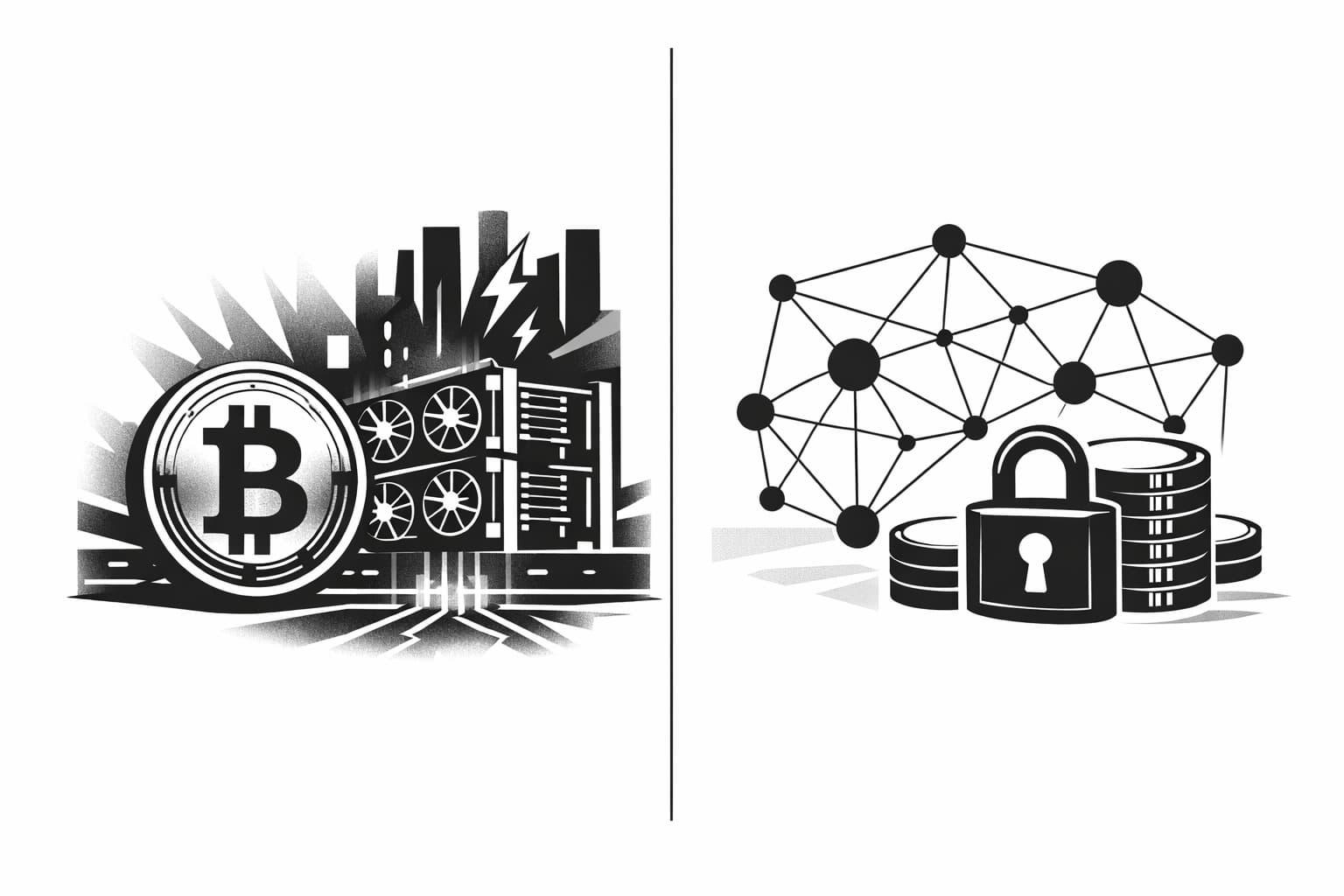
You may have seen platforms offering you the chance to start "staking bitcoins" to earn a yield. While these services can generate returns, what's happening behind the scenes isn't true staking. Instead, you are typically lending your Bitcoin to a centralized or decentralized platform. To understand why this distinction is so important, we need to look at how the Bitcoin network actually works compared to networks that were built for staking.
Proof-of-Work (PoW) vs. Proof-of-Stake (PoS): A Simple Analogy
Think of Bitcoin's Proof-of-Work (PoW) system as a highly competitive race. Thousands of powerful computers, called miners, are all competing to solve the same incredibly difficult math puzzle. The first one to find the solution wins the right to add the next "block" of transactions to the blockchain. For their effort, they receive a reward in newly created bitcoin. The network is secured by the massive amount of energy and computational power—the "work"—required to win this race.
In contrast, Proof-of-Stake (PoS) works more like a lottery. To participate, users lock up or "stake" their coins as a form of collateral. The more coins a user stakes, the more "lottery tickets" they hold, which increases their chance of being chosen to validate the next block and earn rewards. Security comes from the economic incentive for validators to act honestly, as they risk losing their staked coins if they approve fraudulent transactions.
How 'Bitcoin Staking' Actually Works: Earning Yield on BTC
So, if you can't directly participate in network security by staking bitcoins, how are so many people earning rewards on their holdings? The answer is that they are putting their Bitcoin to work in financial applications that generate a return, or yield. Think of it less like staking and more like earning interest. These methods range from simple and straightforward to highly technical, but they all share the same goal: to make your idle BTC productive.
Let's walk through the most common ways you can generate this yield, starting with the easiest approach and moving to more advanced options.
Centralized Finance (CeFi) Lending
The most popular method is lending your Bitcoin through a centralized platform, such as a major crypto exchange. This process is very similar to putting your money into a high-yield savings account at a bank. You deposit your BTC into an interest-bearing account on the platform. The company then lends your Bitcoin out to other users, like traders or institutions, at a higher interest rate. In return for providing your capital, the platform pays you a portion of the interest it earns. This is a hands-off approach where the centralized company manages all the risk and technical complexity for you.
Decentralized Finance (DeFi) Protocols
A more involved method is using Decentralized Finance, or DeFi. Since Bitcoin runs on its own blockchain, you first need to convert it into a compatible format for other networks like Ethereum. This is done by creating a "wrapped" Bitcoin (wBTC), which is a token that represents Bitcoin on another blockchain. Think of it like getting casino chips for your dollars; the chips represent the value of your money and let you play games inside the casino. Once you have wBTC, you can use it in various DeFi applications, such as lending protocols or liquidity pools, which are core components of crypto yield farming. This approach gives you more control but also requires more technical knowledge.
Lightning Network Liquidity
For the technically advanced user, another option is providing liquidity to the Lightning Network. The Lightning Network is a "layer 2" solution built on top of Bitcoin that enables faster and cheaper transactions. You can earn small fees by locking up your BTC in payment channels, which helps route payments for other users across the network. This is like acting as a tiny toll operator on a digital highway; you help transactions get to their destination and earn a fee for your service. While the returns might be smaller, this method directly contributes to the scalability and efficiency of the Bitcoin network itself.
Top Platforms for Earning Bitcoin Rewards in 2026
Now that you understand the mechanics behind earning a return on your Bitcoin, the next logical question is: where can you do it? A variety of platforms have emerged to meet this demand, each with its own approach. These services are often what people are talking about when they mention staking bitcoins, even though the underlying process is usually lending.
These platforms generally fall into two categories: centralized and decentralized. Let's look at some popular options.
- Centralized Finance (CeFi) Lenders: Think of companies like Nexo or Ledn. These operate much like a traditional financial institution. You deposit your Bitcoin into an account they control, and they lend it out to borrowers, paying you a share of the interest. The main appeal is simplicity. The user interface is often slick and easy to handle, making it a great starting point for beginners.
- Decentralized Finance (DeFi) Protocols: Platforms like Aave and Compound run on smart contracts, primarily on blockchains like Ethereum. To participate, you must first convert your BTC into a "wrapped" version, like Wrapped Bitcoin (wBTC), which is a token that represents Bitcoin on another chain. You then lend this wBTC directly to a protocol without a middleman. This option offers more control and transparency but requires a bit more technical comfort.
Evaluating Platform Safety and Security
Handing over your Bitcoin to any third party introduces risk. Before you deposit your funds anywhere, it's incredibly important to do your own research. Here are key factors to consider when vetting a platform:
- Security History: Has the platform ever been hacked? Look for a long track record of keeping user funds safe and what security measures, like third-party audits, they have in place.
- Insurance and Reserves: Does the company have an insurance fund to cover potential losses? Reputable platforms are often transparent about their reserves and insurance policies.
- Business Model Clarity: Do you understand exactly how the platform generates the yield it pays you? If it seems too good to be true or they are vague about their methods, that can be a red flag.
- Withdrawal Policies: Review their terms for withdrawals. Are there long lock-up periods or high fees? You should always be able to access your funds in a reasonable timeframe.
How Much Can You Earn? Understanding Bitcoin APY
Now for the question that's likely on your mind: how much can you actually earn from these methods? The potential return is almost always expressed as an Annual Percentage Yield (APY). In simple terms, APY represents the total return you can expect on your Bitcoin over a one-year period, including the effects of compound interest—which is interest earned on your initial deposit plus the interest you've already accumulated.

Understanding APY is the key to comparing different platforms. A higher APY suggests a better return, but it's not a guaranteed number. Think of it like the interest rate on a high-yield savings account at a bank. The rate can change based on market conditions. The world of crypto is far more dynamic, so these rates can fluctuate more often and more significantly than in traditional finance.
So, what can you realistically expect? In 2026, the APY for lending your Bitcoin generally ranges from 0.5% to 4%. This figure depends heavily on the platform you choose and the market's demand for borrowing BTC. When more people want to borrow Bitcoin, platforms will offer higher rates to attract lenders like you. When demand cools off, those rates will drop. Your return is a direct reflection of this market activity.
The Risks of Earning Yield on Bitcoin
While the rewards from these methods that mimic staking bitcoins are attractive, they are not risk-free. Unlike native staking on a Proof-of-Stake network, earning yield on Bitcoin introduces different types of dangers you need to understand before you commit your funds.
Counterparty Risk: 'Not Your Keys, Not Your Coins'
When you use a centralized platform to earn yield, you hand over your BTC. This introduces counterparty risk. You are trusting that company to keep your assets safe. If the platform becomes insolvent, gets hacked, or mismanages funds, you could lose everything. The old crypto saying, "not your keys, not your coins," is a stark reminder of this danger. We saw this play out with several major platform collapses and freezes, which makes assessing platform risk absolutely essential.
Smart Contract Risk (DeFi)
If you choose a decentralized finance (DeFi) route, you're trusting code instead of a company. These platforms run on smart contracts, which are automated programs on a blockchain. However, a bug or vulnerability in that code could be exploited by hackers, potentially draining all the funds from the protocol. An audit is a good sign, but it is never a guarantee of complete safety.
Market & Slashing Risk
Finally, don't forget market risk. Bitcoin's price is volatile, and a sharp downturn can easily wipe out any yield you've earned. The dollar value of your holdings can fall dramatically. Some advanced strategies might also expose you to slashing risk, where a protocol penalizes a validator for bad behavior. If your funds are part of that validator's pool, you could lose a portion of your BTC as a penalty.
Step-by-Step: How to Start Earning Rewards on Your BTC
Now that you understand the risks and rewards, you might be ready to get started. While the exact interface will vary between services, the process for earning yield on your Bitcoin is generally the same across most centralized platforms. Here’s a simple breakdown of the steps involved.
1. Choose a Reputable Platform
Your first and most important step is selecting a trustworthy platform. As we've discussed, this involves researching their security history, business practices, and how they generate yield. Never deposit funds onto a platform you haven't thoroughly vetted.
2. Create an Account and Secure It
Once you've chosen a provider, you'll need to create an account. During this process, immediately enable Two-Factor Authentication (2FA). This adds a critical layer of security that helps protect your assets from unauthorized access.
3. Deposit Bitcoin
Next, you’ll need to move your Bitcoin to the platform. Find the "Deposit" option in your account to get your unique Bitcoin wallet address. Carefully copy this address and use it to send the BTC from your personal wallet to the platform.
4. Opt-in to the Earning Program
Your Bitcoin won't start earning rewards automatically. You must find the platform’s 'Earn', 'Save', or 'Lend' section. Here, you will formally commit your BTC to the program, agree to the terms, and begin the process often called staking bitcoins.
Key Takeaways: Staking Bitcoin vs. Earning Yield
To wrap up our discussion, let's review the most important points about earning rewards on your Bitcoin holdings.

- Bitcoin uses a Proof-of-Work system and cannot be staked like Proof-of-Stake cryptocurrencies.
- The term staking bitcoins almost always refers to lending your BTC on a centralized or decentralized platform to earn interest.
- Earning yield on Bitcoin carries risks, such as platform insolvency or smart contract bugs, that are different from native on-chain staking.
Frequently Asked Questions
- Can you do Bitcoin staking?
- You cannot natively stake Bitcoin on its blockchain, as it uses Proof-of-Work, not Proof-of-Stake. However, you can earn rewards, often marketed as 'staking,' by lending your BTC on centralized or decentralized finance platforms. These services use your deposited Bitcoin to generate yield, which is then shared with you.
- How do I stake my BTC?
- To earn yield on your BTC, you first choose a trusted crypto platform offering an 'Earn' or savings program. After depositing your Bitcoin, you commit it to a specific term. Keep in mind, this is technically lending your Bitcoin to the platform in exchange for interest, not true network staking.
- Is staking Bitcoin a good idea?
- Earning yield on Bitcoin can be a good idea for those seeking passive income, but it comes with risks. While the potential annual percentage yield (APY) is attractive, you must weigh it against the counterparty risk of the platform holding your funds and the general volatility of the crypto market.
Sources
Author

Crypto analyst and blockchain educator with over 8 years of experience in the digital asset space. Former fintech consultant at a major Wall Street firm turned full-time crypto journalist. Specializes in DeFi, tokenomics, and blockchain technology. His writing breaks down complex cryptocurrency concepts into actionable insights for both beginners and seasoned investors.