L2 Airdrop Farming: Your Step-by-Step Strategy for 2026

What Is L2 Airdrop Farming (And Why Should You Care)?
L2 airdrop farming is the process of strategically interacting with Layer 2 blockchain protocols that have not yet released a token. The primary goal is to qualify for a future free distribution of their native token, known as an airdrop, by becoming an active and genuine early user.
Think of it like this: new networks want to reward their first supporters and distribute governance tokens to their community. By using their platform for swapping, bridging, and other activities, you signal that you're an engaged user. Your entire transaction history gets recorded on-chain, creating a permanent record of your involvement.
The reason this practice is so popular comes down to the immense potential reward. Early users of protocols like Arbitrum and Optimism received token airdrops worth thousands, and sometimes tens of thousands, of dollars. With the right airdrop strategy l2, you position yourself for the next big opportunity. This guide will show you exactly how to get started.
Getting Started: What You'll Need for Airdrop Farming
Before you can begin hunting for the next big airdrop, you need to get your tools in order. Think of this as your essential checklist. Having these three items ready will make your entire l2 airdrop farming journey smoother.
- A Non-Custodial Wallet: Your personal gateway to web3 (e.g., MetaMask).
- Seed Capital in ETH: The fuel for transaction fees on Layer 1 and Layer 2 networks.
- An Activity Tracker: A simple spreadsheet or portfolio tool to monitor your actions.
With these basics covered, let's walk through setting up the first two items on our list.
Setting Up Your Wallet(s)
Your first step is to create a non-custodial wallet. This type of wallet, like MetaMask or Rabby, gives you full control over your funds—no company can freeze your assets. For security, it’s smart to use a brand new wallet exclusively for farming. As you advance, a multi-wallet approach can be a powerful airdrop strategy l2, but we'll stick to one for now to keep things simple.
Funding Your Wallet with ETH
Next, you'll need some Ether (ETH) to pay for transaction fees, also known as "gas." The easiest way to get ETH is by purchasing it on a centralized exchange like Coinbase or Kraken. Once you have some, simply withdraw it to your new wallet address. Always double-check the address before sending! This initial ETH will cover your first moves from the mainnet to various Layer 2 networks.
Step 1: Identifying Potential L2 Airdrops in 2026
With your wallet set up and ready, the real hunt begins. Your first move in any successful l2 airdrop farming campaign is knowing where to focus your time and capital. You can't farm every network, so you need to be selective. This step is all about playing detective and identifying Layer 2 projects that are most likely to reward their early users with a token airdrop.
The goal is to find well-funded, active projects that have not yet released their own native token. These are the prime candidates for a future airdrop, as a token launch is a common way for decentralized networks to distribute governance to their community. Let's look at the specific signals you should be tracking.
Key Indicators of a Future Airdrop
You're searching for specific clues that a project might be planning an airdrop. While nothing is ever guaranteed, projects with these characteristics are your best bet:
- Significant VC Backing: Look for projects that have raised substantial amounts of money from venture capital firms. You can find this information on sites like CryptoRank or DoveMetrics. High funding often means they have the resources and incentive to launch a token.
- No Native Token: This is the most obvious sign. If a popular L2 network doesn't have its own token for governance or gas fees yet, it's a strong indicator that one is coming.
- Active Testnet or Mainnet: The project should have a functioning network that you can interact with. A project that encourages user testing and on-chain activity is often gathering data for a potential airdrop snapshot.
- Vague Team Statements: Pay attention to project AMAs, blog posts, and Discord chats. Phrases like "rewarding our early community" or "valuing our first users" are often hints about a future token distribution.
Top L2s to Watch in 2026
Based on the indicators above, a few ecosystems are on everyone's radar for a potential airdrop this year. A solid airdrop strategy l2 would involve building a presence on these networks. Keep a close eye on ZkSync and Scroll, both of which have massive funding and high on-chain activity but no token yet. Similarly, protocols like Linea continue to be strong candidates as they build out their ecosystem. These networks are a great place to start your farming journey.
Step 2: Crafting Your Airdrop Strategy L2
With a list of promising Layer 2 networks in hand, your next move is to plan your engagement. Airdrop algorithms are designed to reward genuine users, not bots. Your goal is to create a wallet history that tells a story of authentic participation. A solid airdrop strategy l2 is what separates a small reward from a significant one.
The Multi-Wallet vs. Single-Wallet Approach
You have a fundamental choice to make: concentrate your efforts in one wallet or spread them across many. Using a single, well-funded wallet is simpler to manage and less likely to be flagged for suspicious activity. Your activity will build a deep, organic history on that one address.
The multi-wallet approach, however, offers the potential to multiply your rewards if each wallet qualifies. This requires more capital, careful management to avoid linking the wallets, and increases your risk of being identified as a "Sybil attacker." Projects are getting smarter at detecting this, so if you choose this path, ensure each wallet acts independently with unique funding sources and activity patterns.
Achieving Organic Wallet Activity
To be seen as a valuable user, you need to do more than just send a single transaction. Your activity should look natural and cover a range of common on-chain actions. This is the heart of effective l2 airdrop farming. Focus on these core interactions:
- Bridging Assets: Move funds from Ethereum or another chain onto the target L2. This is often the first step and a key metric.
- Decentralized Exchange (DEX) Swaps: Regularly swap different tokens to build transaction history and volume.
- Providing Liquidity: Add your assets to a liquidity pool on a native DEX. This shows deeper engagement than just swapping.
- Interacting with dApps: Go beyond DeFi. Mint an NFT on a native marketplace, vote on a governance proposal, or use a lending protocol.
Lessons from Arbitrum & Optimism Airdrops
We can learn a lot by looking at the past. The biggest L2 airdrops to date rewarded users based on specific, measurable criteria. For example, the lessons from the Arbitrum airdrop show us that they valued frequency of use over time, total transaction volume, and the number of unique smart contracts a wallet interacted with. Your strategy should aim to tick these boxes. Don't just perform all actions in one day; spread them out over weeks or months to demonstrate consistent use of the network.
Step 3: Executing Transactions and Building Volume
With your strategy mapped out from the previous step, it's time to put it into action. This is the core of l2 airdrop farming: actively using the network to build a transaction history that new protocols will reward. Your goal is to look like a genuine, engaged user, not a bot.

The easiest place to begin is with a decentralized exchange (DEX). Connect your wallet to a popular DEX on your target L2, such as Uniswap on Arbitrum or Velodrome on Optimism. Start with a few simple swaps. For example, you could swap 0.01 ETH for a stablecoin like USDC, and then swap a portion back a day or two later. This simple action creates two transactions and demonstrates your activity.
A strong airdrop strategy l2 involves more than just swapping tokens. Broaden your on-chain footprint by interacting with different kinds of applications. Try a lending protocol like Aave; you can deposit a small amount of your USDC to earn interest and maybe even borrow against it. Exploring more niche applications, like decentralized prediction markets or NFT marketplaces, also helps. Engaging with diverse dApps like Polymarket can significantly strengthen your wallet's profile.
Pro Tip: Managing Your Gas Fees
While Layer 2 gas fees are a fraction of Ethereum mainnet costs, they can still add up over hundreds of transactions. To keep your costs low, try to execute your transactions during periods of low network congestion. This is often late at night in the US or on weekends. Use a gas tracker tool for your specific L2 to find the cheapest times to be active.
Step 4: Tracking Your Progress and Managing Costs
Once you start executing transactions, it’s easy to lose sight of the big picture. Now, it's time to keep score. Tracking every move is what separates successful farmers from those who just spend money on gas fees without a clear goal.
You can't know if your efforts are profitable if you aren't tracking your spending. How much have you spent on fees compared to the transaction volume you've generated? This simple calculation is central to any effective airdrop strategy l2. It helps you understand your return on investment and decide if you need to adjust your approach.
To simplify this process, you can use portfolio trackers. Tools like DeBank or Zapper provide a dashboard view of your wallet's activity and net worth across various networks. They are fantastic for getting a quick overview of your l2 airdrop farming progress.
For more detailed control, consider a basic spreadsheet. Manually logging each transaction, its purpose, and the associated gas fee gives you the most precise data. This hands-on method ensures you always know exactly where your money is going.
The Risks of Airdrop Farming: What to Watch Out For
While chasing a big airdrop is exciting, it's not a risk-free game. Understanding the potential pitfalls of l2 airdrop farming will protect your capital and save you from costly mistakes. Think of this as your defensive playbook.
Sybil Detection and Wallet Blacklisting
Projects want to reward genuine users, not one person with hundreds of wallets. They use sophisticated tools to detect "Sybil" activity, where a single entity tries to game the system. If your wallets all perform the exact same actions at the same time with the same amounts, they can be flagged and blacklisted from the airdrop.
To avoid this, act like a unique human. Vary your transaction amounts, use different protocols, and operate on an irregular schedule. Don't be predictable.
Smart Contract Vulnerabilities & Rug Pulls
You will often interact with new and experimental protocols. Not all of them are secure. A bug in a smart contract or a malicious team could lead to a complete loss of any funds you deposit. This is a serious risk you must accept.
Warning: Never connect your main wallet, which holds the majority of your assets, to a brand new, unaudited protocol. Always use a dedicated farming wallet with a limited amount of funds you are willing to lose.
Opportunity Cost and Gas Fees
Every transaction costs gas, and those fees add up quickly. It's easy to spend hundreds of dollars in fees chasing an airdrop that may never happen or might be worth less than you spent. The time and capital you lock into farming could be earning a predictable yield in farming through other means. There is no guarantee of a reward for your efforts.
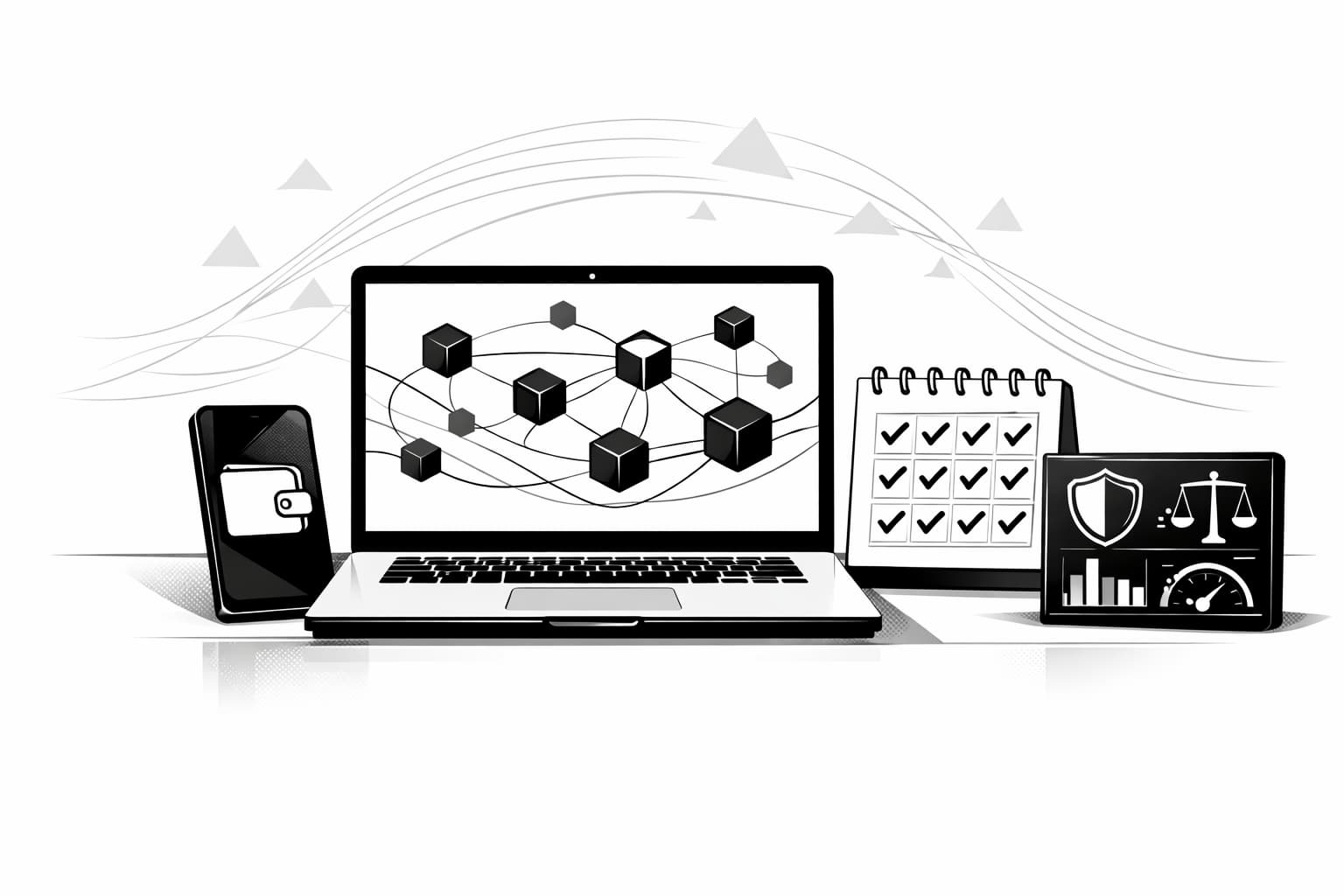
Summary: Your L2 Airdrop Farming Checklist
As you begin your l2 airdrop farming journey, keep this simple checklist handy. Success comes from consistent and thoughtful action over time.
- Research: Identify promising L2s without tokens.
- Strategize: Plan your unique interactions and budget.
- Execute: Build transaction history organically.
- Manage: Track costs and practice smart risk management.
- Adapt: Stay informed about the evolving crypto space.
Frequently Asked Questions
- What is the best crypto airdrop strategy?
- The most effective strategy involves creating a genuine on-chain history. This means bridging funds, swapping on DEXs, providing liquidity, and interacting with various dApps consistently over several months. The goal is to mimic an organic user, signaling authentic engagement to the project's snapshot criteria.
- How do projects use airdrops for marketing?
- Projects leverage airdrops as a powerful marketing tool to bootstrap their ecosystem. It helps decentralize governance by distributing tokens widely, rewards early adopters for their initial support, and kickstarts a vibrant, engaged community from day one, creating immediate network effects and user loyalty.
- How much money do I need for L2 airdrop farming?
- There's no fixed amount, but a common starting point is $200-$500 in ETH to cover gas fees and transaction costs. Success hinges more on consistent, capital-efficient activity across different protocols rather than a large initial investment. The key is demonstrating persistent usage over time.
Sources
Author

Crypto analyst and blockchain educator with over 8 years of experience in the digital asset space. Former fintech consultant at a major Wall Street firm turned full-time crypto journalist. Specializes in DeFi, tokenomics, and blockchain technology. His writing breaks down complex cryptocurrency concepts into actionable insights for both beginners and seasoned investors.