How to Buy Altcoins: A Step-by-Step Beginner's Guide (2026)
What Are Altcoins? A Quick Introduction
So, you're ready to explore the world beyond Bitcoin. Before you learn how to buy altcoins, let's quickly cover what they actually are. The term "altcoin" is simply shorthand for "alternative coin"—it refers to any cryptocurrency that isn't Bitcoin. Think of Bitcoin as the original, and thousands of other coins have been created since.
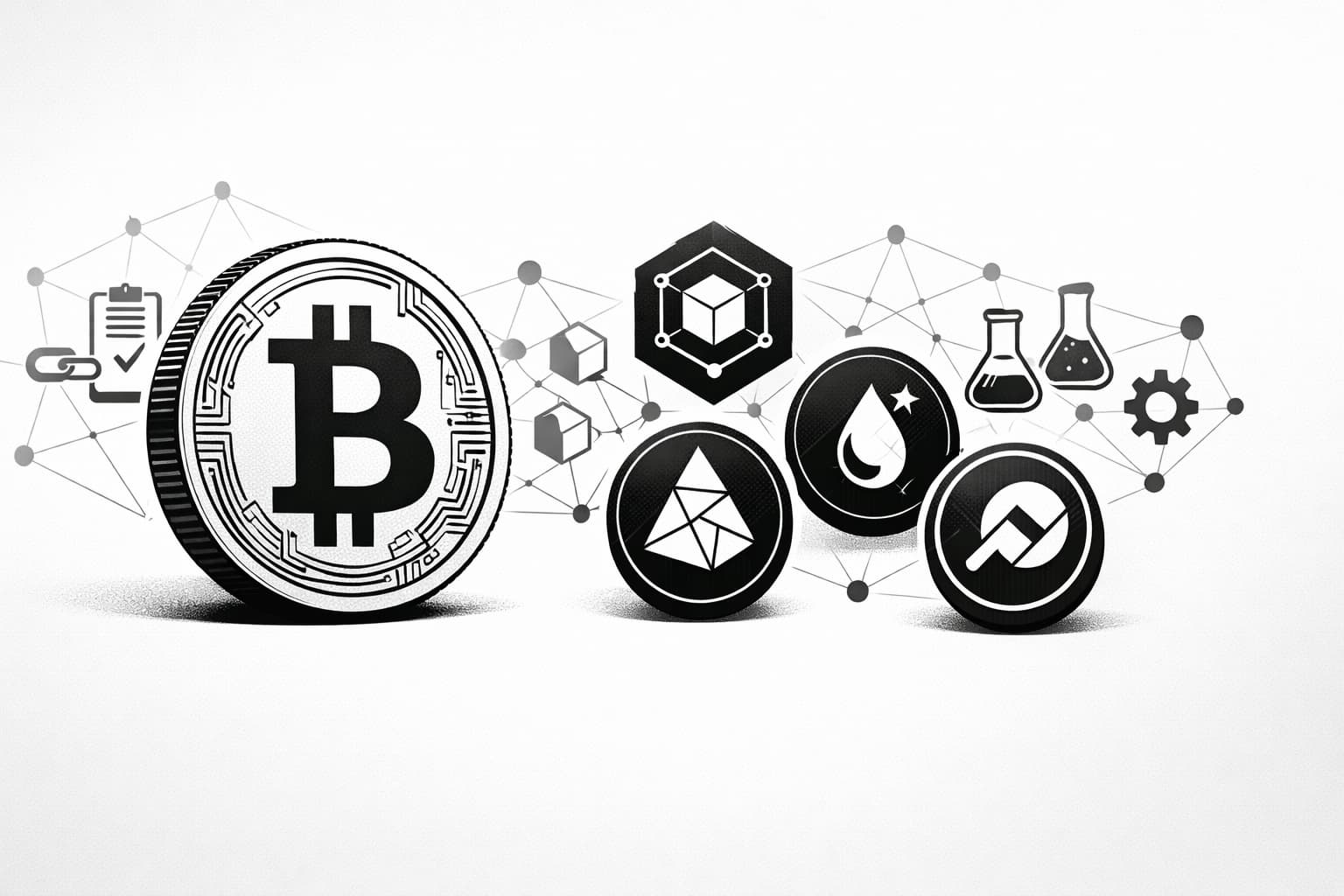
Why do so many exist? Many developers create altcoins to improve on Bitcoin's original technology, offering faster transaction speeds or new features. Others introduce entirely new concepts, like smart contracts that power decentralized applications or specialized coins for gaming and digital art.
From highly technical projects aiming to solve real-world problems to fun, community-driven meme coins, the variety is vast. Understanding this distinction is the first important step in your journey. It helps you look past the hype and begin to identify projects with genuine potential.
Before You Begin: What You'll Need to Buy Altcoins
Jumping into the world of altcoins is exciting, but a little preparation goes a long way. Before you can buy altcoins, let's get a few things in order to make the process smooth and secure. Think of it as packing your bag before a trip.
Here’s a quick checklist of what you'll need:
- A Government-Issued ID: Reputable exchanges require identity verification (KYC). Have your driver's license or passport handy.
- A Secure Internet Connection: For your safety, never trade on public Wi-Fi. Always use a private, trusted network to protect your information.
- A Payment Method: You'll need to fund your account. A debit card or a linked bank account are the most common starting options.
- Your 'Risk Capital': This is essential. Decide on the exact amount of money you are fully prepared to lose, as the market is volatile.
Step 1: Choose Where to Buy Your Altcoins
Now that you have your essentials ready, the first real decision is picking your marketplace. In the world of crypto, you have two primary options for where to buy altcoins: centralized exchanges and decentralized exchanges. For your first purchase, the choice is quite clear.
Centralized Exchanges (CEXs): The Beginner-Friendly Path
Think of a centralized exchange as the crypto equivalent of a traditional stock brokerage or bank. Companies like Coinbase or Kraken operate these platforms, providing a user-friendly interface to buy, sell, and store digital assets. They handle the complex parts for you.
To use a CEX, you'll need to create an account and complete a "Know Your Customer" (KYC) process, which usually involves verifying your identity with a photo ID. This is a standard security and regulatory step. For beginners, a CEX is the recommended starting point because it offers customer support, familiar payment methods like bank transfers, and a much simpler experience. Of course, choosing a trustworthy exchange is vital, so take your time when assessing the risk of a platform.
Decentralized Exchanges (DEXs): For Advanced Users
A decentralized exchange is a peer-to-peer marketplace that operates without a central authority. This gives you complete control over your funds through a concept called "self-custody"—meaning you, and only you, hold the private keys to your crypto wallet. This greater control comes with much greater responsibility.
Using a DEX involves using more complex interfaces and being solely responsible for your own security. There is no customer support to call if you make a mistake. While DEXs open up a massive world of altcoins, we recommend you get comfortable with the basics on a CEX first before exploring this path.
Step 2: How to Research and Choose an Altcoin
Now that you know where to buy altcoins, we arrive at the most important step: deciding what to buy. This is where you separate yourself from the gamblers. Anyone can click a 'buy' button, but smart investors understand what they are putting their money into. Resisting the fear of missing out (FOMO) and doing your own research is the best way to protect your investment.
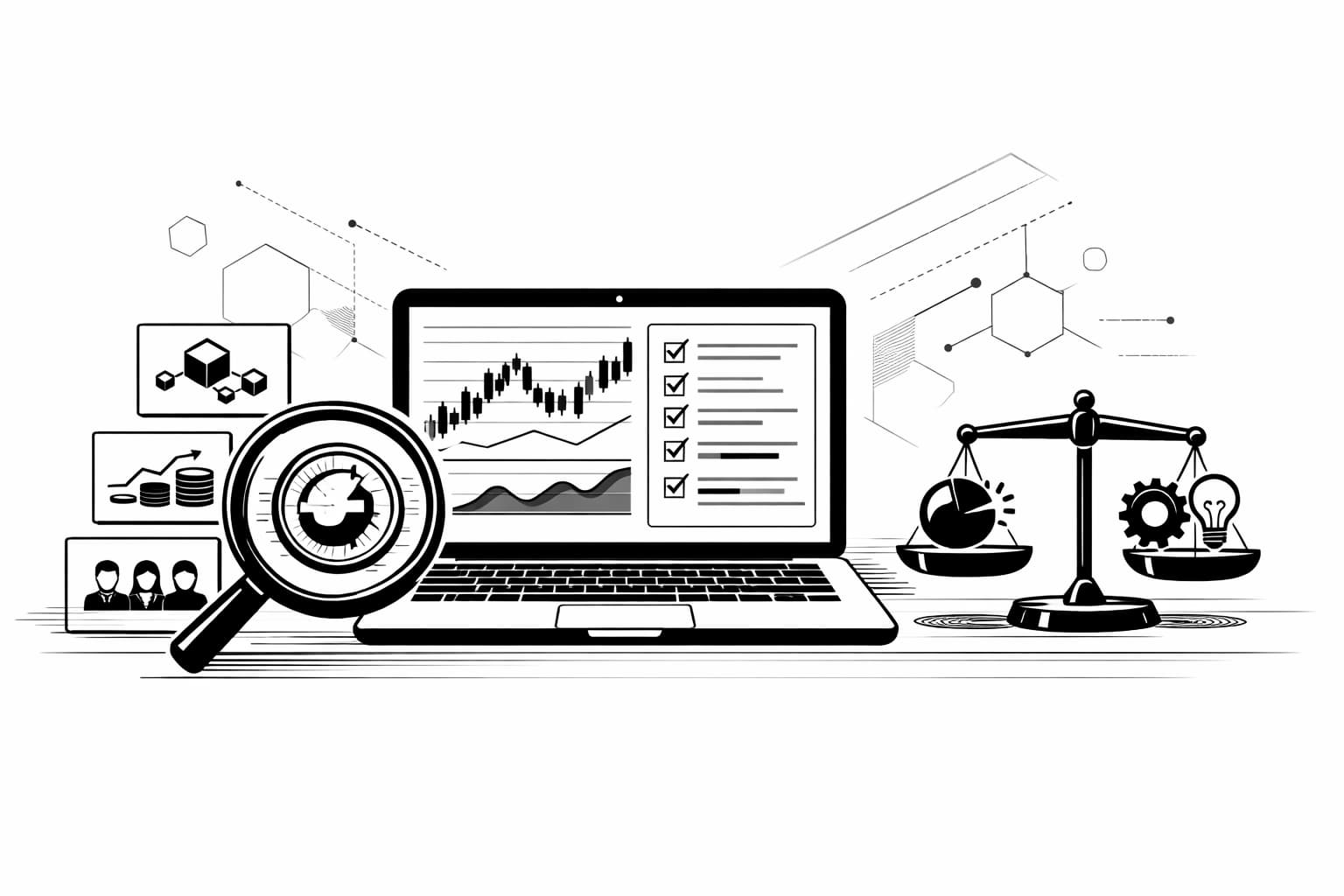
Learning how to buy altcoins is less about timing the market perfectly and more about identifying projects with long-term potential. Let’s walk through a simple framework for evaluating a project before you invest.
Understanding Different Types of Altcoins
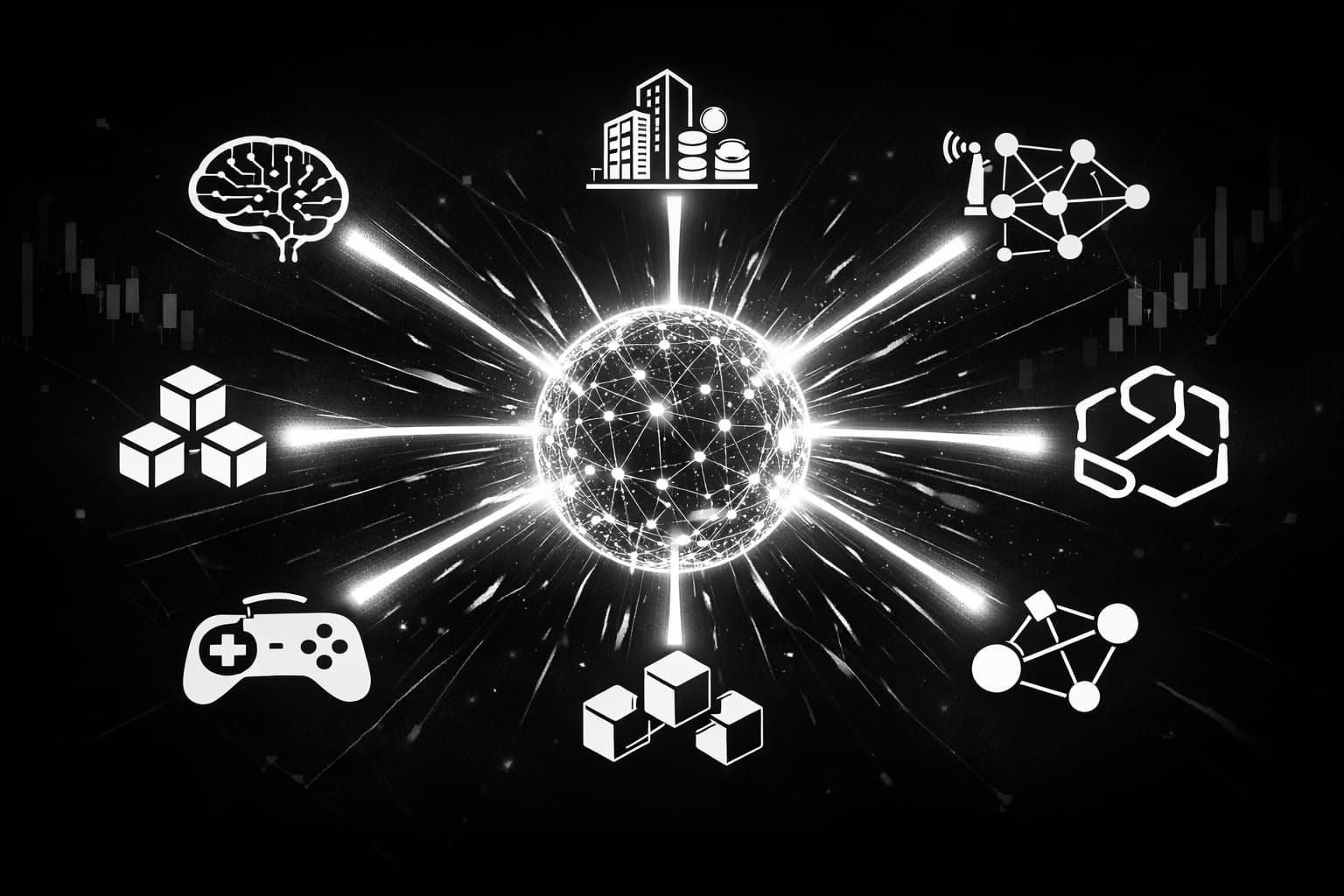
Not all altcoins are created equal. They serve different purposes, which means they have different levels of risk and reward. Think of it like stocks—you have blue-chip companies, tech startups, and everything in between. Here are a few common categories you'll encounter in 2026:
- Layer-1s: These are the foundational blockchains, like Ethereum or Solana, that other applications build on top of. They are the digital real estate of the crypto world.
- DeFi Tokens: These tokens power decentralized finance applications, from lending platforms to exchanges. They are the tools and engines of the crypto economy.
- Meme Coins: These are often created as a joke and are driven almost entirely by community hype and social media trends. They carry extremely high risk.
- AI tokens: A growing category of cryptocurrencies linked to artificial intelligence projects, decentralized computing, and data analysis.
Key Research Metrics for Beginners
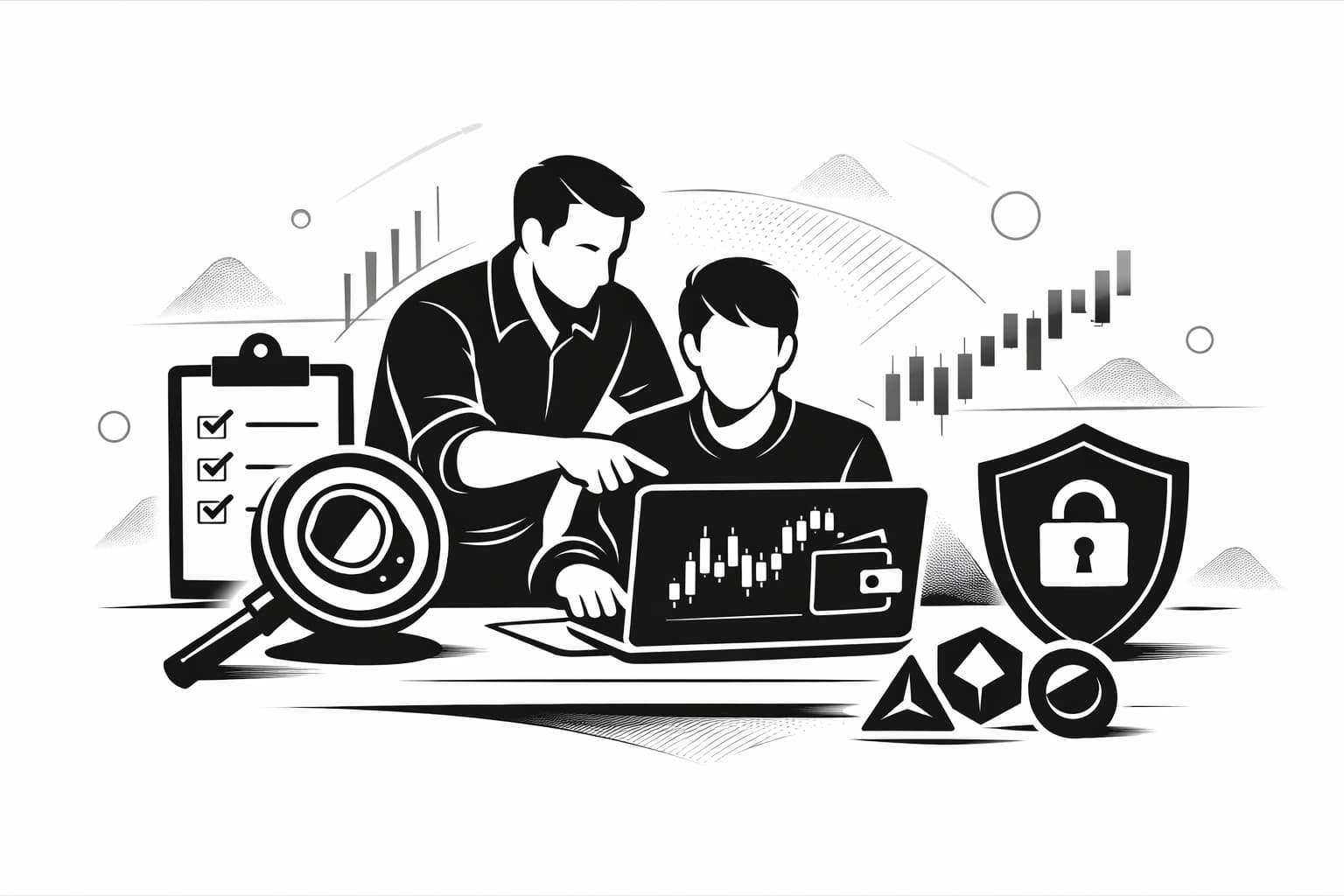
You don't need to be a technical expert to do basic research. Your goal is to find projects with genuine purpose and signs of life. Before you buy, ask yourself these four simple questions:
- What problem does it solve? Does the project have a clear use case or is it just a solution looking for a problem? A good project has a whitepaper that explains its purpose in plain language. If you can't understand what it does, that's a red flag.
- Who is the team? Look for a public team with experience. Are their names and backgrounds listed on the project's website? Anonymous teams can be a warning sign.
- What is the market cap? Market capitalization (circulating supply x price) tells you the project's current size. A lower market cap has more room to grow but is also typically riskier than a large, established project.
- Is the community active? Check their social media channels like X (formerly Twitter) or Discord. A healthy project has an engaged, active community discussing the technology, not just the price.
Step 3: Making Your First Altcoin Purchase (A Walkthrough)
You've done the hard work of researching and have chosen an altcoin that aligns with your goals. Now comes the exciting part—actually buying it. This process can feel intimidating the first time, but it's quite straightforward once you see the steps. We'll walk through a typical purchase on a centralized exchange, which is the most common path for beginners learning how to buy altcoins.
Create and Secure Your Account
First, you'll sign up on your chosen exchange using an email address and a strong, unique password. Immediately after creating your account, enable Two-Factor Authentication (2FA). This adds an important layer of security that protects your funds from unauthorized access.Complete Identity Verification (KYC)
Before you can deposit money, regulated exchanges require you to verify your identity. This process, known as "Know Your Customer" or KYC, usually involves submitting a photo of a government-issued ID (like a driver's license) and a selfie. This is a standard anti-fraud measure, and verification can take anywhere from a few minutes to a couple of days.Fund Your Exchange Account
Once verified, you need to add funds. Handle to the "Deposit" or "Wallet" section and choose your local currency (e.g., USD, EUR). You can typically fund your account via a bank transfer (ACH), wire transfer, or debit card. Pay close attention to any associated fees, as they can vary by method.Find Your Altcoin's Trading Pair
Go to the exchange's "Trade" or "Markets" section. Use the search bar to find your chosen altcoin. You won't just see the altcoin's name; you'll see a trading pair, like SOL/USD or ADA/EUR. This simply indicates you'll be buying the altcoin (SOL) with your fiat currency (USD).Place a Market Order
On the trading page, you'll see a buy/sell interface. Select "Buy" and choose the Market order type. A market order buys the altcoin immediately at the best available price. Enter the amount of money you want to spend. Before you click the final "Buy" button, double-check all the details. Congratulations, the altcoins will appear in your exchange wallet moments later!
Step 4: Secure Your Altcoins in a Wallet
Congratulations, you've successfully purchased your first altcoin! But your job isn't quite done. Right now, your new coins are sitting in a wallet managed by the exchange. While convenient, this isn't the most secure place for long-term storage. In the crypto world, there's a vital saying: "not your keys, not your coins." This means if you don't have exclusive control over the private keys to your wallet, you don't truly own your assets. Let's fix that.
Exchange Wallets (Custodial)
The wallet on the exchange is a custodial wallet. The exchange holds the private keys on your behalf. This is simple and works well if you plan on actively trading or are holding a very small amount. However, you are trusting the exchange's security and solvency. If the platform is hacked or faces financial trouble, your funds could be at risk. For anything more than "play money," you'll want to take control.
Personal Wallets (Self-Custody)
Moving your altcoins to a personal, self-custody wallet puts you in the driver's seat. You, and only you, hold the private keys. This is the core principle of cryptocurrency ownership. There are two main types to consider:
- Hot Wallets: These are software programs or browser extensions on your computer or phone, like MetaMask or Phantom. They are connected to the internet, which makes them convenient for frequent use but also more exposed to online threats.
- Cold Wallets: These are physical hardware devices, like a Ledger or Trezor, that keep your private keys completely offline. For storing any significant value you plan to hold, a cold wallet is the gold standard for security.
Knowing how to buy altcoins is the first step, but learning how to secure them is what protects your investment for the future.
Understanding and Managing Altcoin Risks
Now that you know how to buy and secure your altcoins, we need to talk about the most important part of staying in the game: managing risk. The altcoin market is famous for its incredible gains, but it's equally known for its volatility and potential for losses. Ignoring these realities is the fastest way to end your investing journey before it begins.
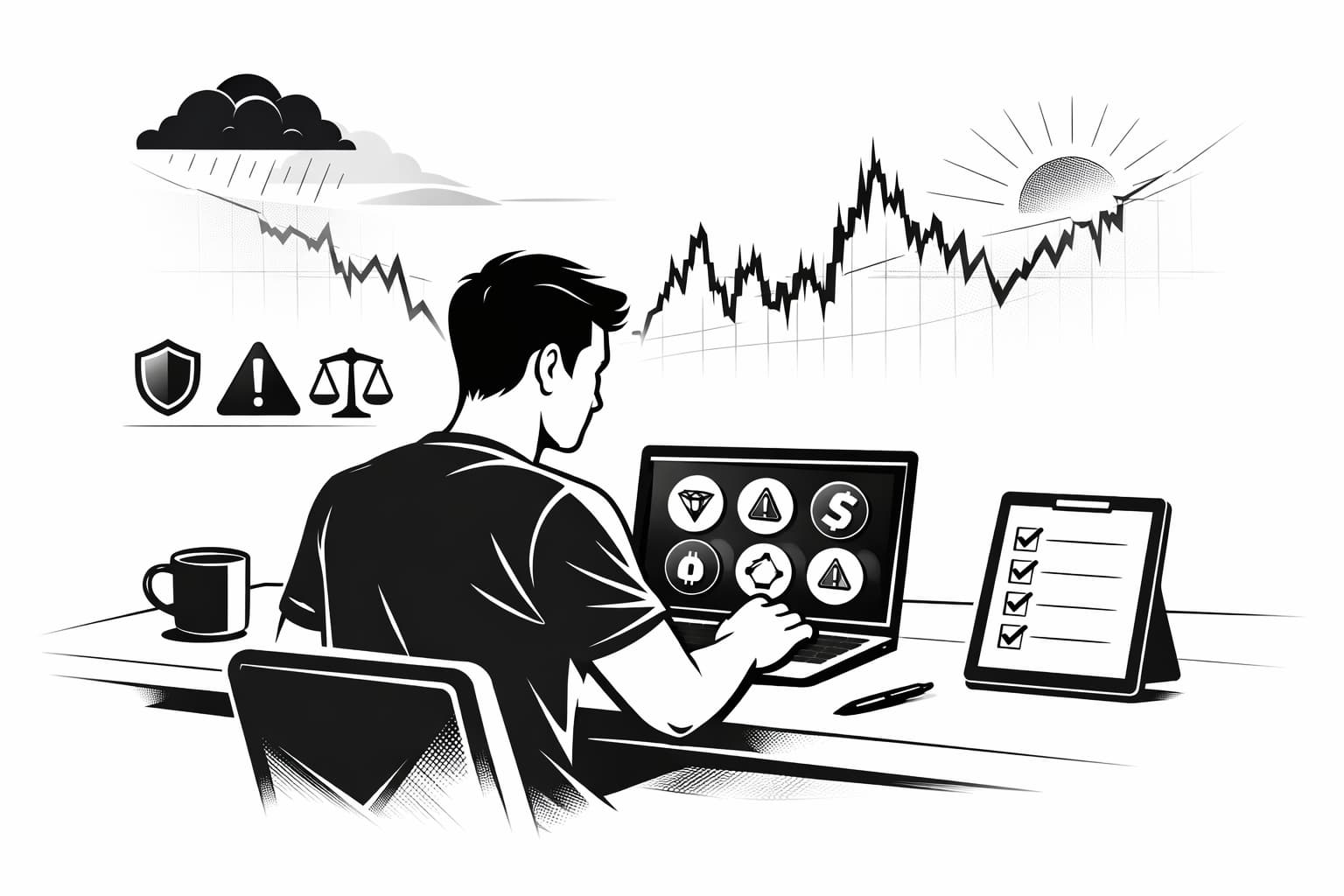
Altcoins carry several unique risks. Their prices can swing dramatically in a single day. Many projects, even with great ideas, can fail to gain traction and their tokens can become worthless. The space also attracts scams, from fake projects to sudden "rug pulls" where developers disappear with investors' money. On top of that, government regulations are still evolving globally, which can create market uncertainty.
Simple Rules for Managing Risk
Protecting your capital is your number one job. Here are a few foundational rules to guide you:
- Invest only what you can afford to lose. This is the golden rule. Never invest money you need for rent, bills, or emergencies. Treat your altcoin budget as high-risk speculation.
- Diversify your holdings. Don't go all-in on a single "moonshot" altcoin. Spreading your investment across several different projects can cushion the blow if one fails. Some investors even use products like altcoin ETFs for broader exposure.
- Keep your emotions in check. It's easy to get caught up in the hype or panic during a market crash. Make a plan when you're thinking clearly and stick to it, avoiding impulsive decisions driven by fear or greed.
Frequently Asked Questions
- How to start investing in altcoins?
- First, choose a reputable crypto exchange and complete its verification process. Fund your account, then thoroughly research a project that interests you. Make a small initial purchase to get started. For better security, consider moving your new altcoins from the exchange to a personal crypto wallet for long-term storage.
- Which is the best AltCoin to buy?
- There is no single "best" altcoin, and any claim otherwise is a major red flag. The right investment for you depends entirely on your own research, risk tolerance, and financial goals. Use a solid research framework to evaluate projects and find ones that align with your personal investment strategy.
- Is $100 enough to invest in crypto?
- Yes, absolutely. You can start investing with any amount, even $10 or $20. Starting with a smaller sum like $100 is a smart way for beginners to learn the process and experience market volatility without significant risk. The goal is to get started and gain experience, not get rich quickly.
Sources
Author

Crypto analyst and blockchain educator with over 8 years of experience in the digital asset space. Former fintech consultant at a major Wall Street firm turned full-time crypto journalist. Specializes in DeFi, tokenomics, and blockchain technology. His writing breaks down complex cryptocurrency concepts into actionable insights for both beginners and seasoned investors.