DePIN Airdrops 2026 Guide: How to Qualify for Token Drops
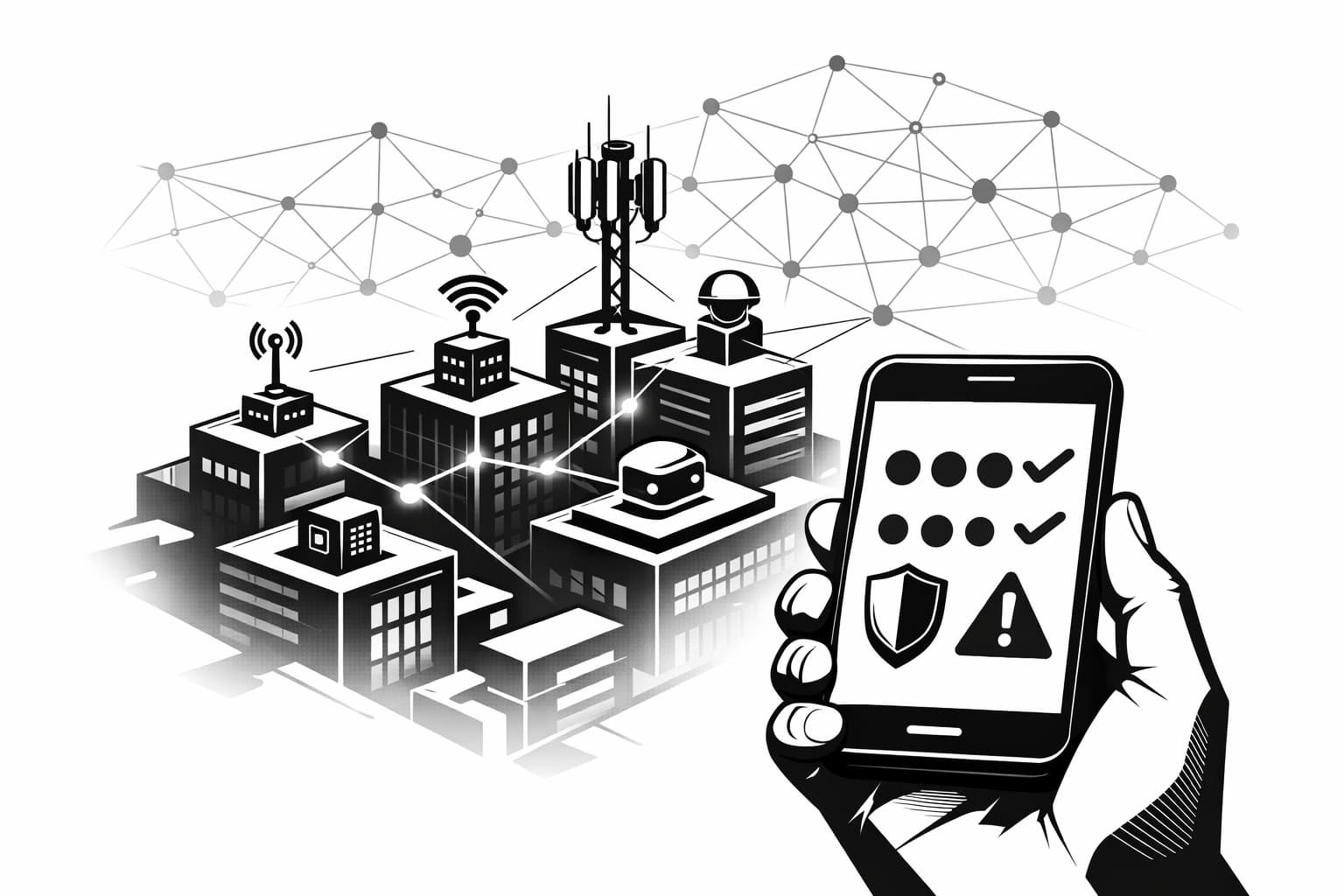
What are DePIN airdrops in 2026?
DePIN airdrops 2026 are token distributions from decentralized physical infrastructure networks that reward real participation, such as providing coverage, storage, compute, bandwidth, or useful data. Unlike standard crypto airdrops, they usually favor measurable infrastructure activity over simple wallet tasks, social follows, or one-time claims.
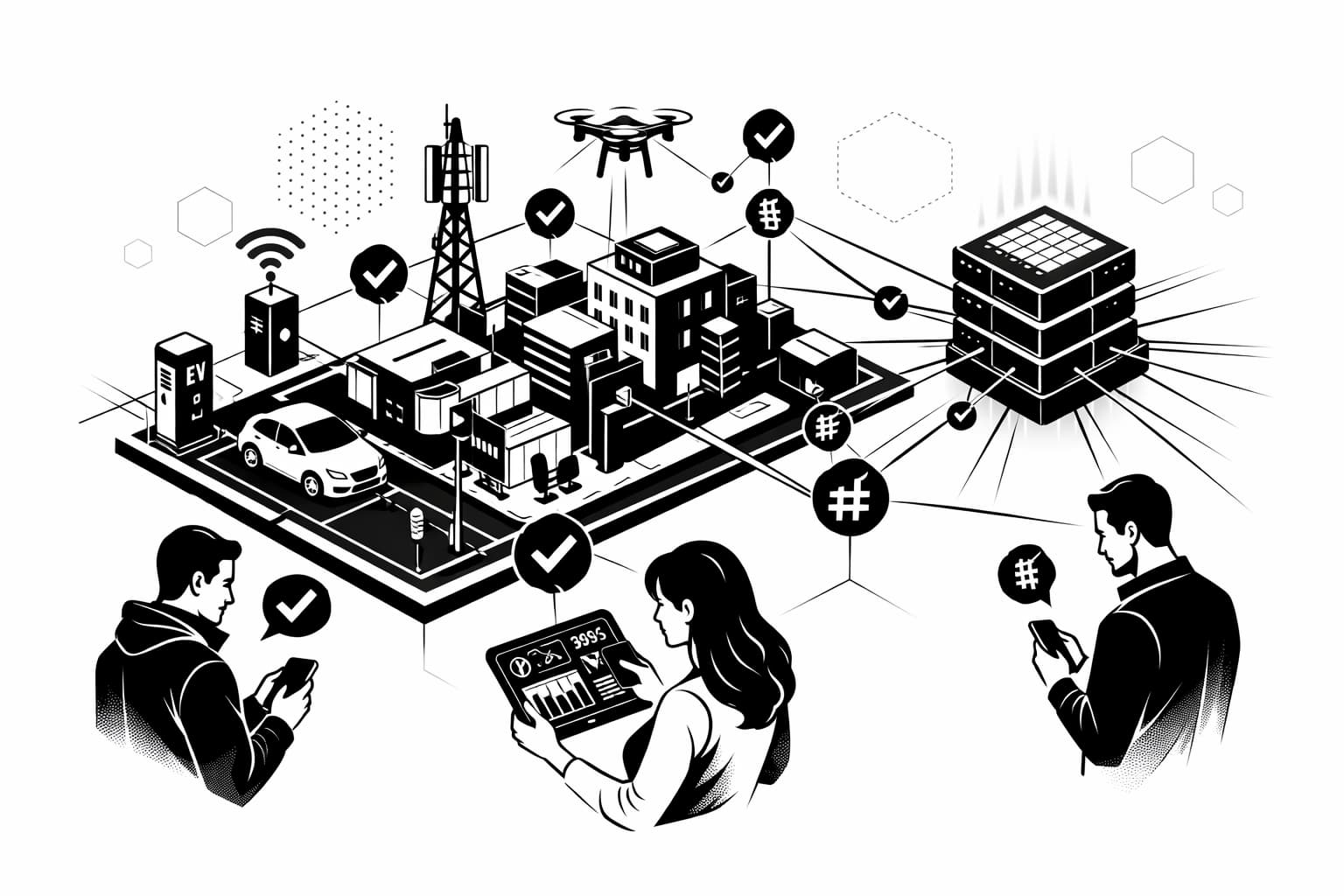
In simple terms, DePIN projects connect blockchain incentives with physical services people and businesses actually use. A network may need wireless hotspots, GPU power, mapping data, sensor feeds, or unused storage space. Tokens help attract early contributors, but the strongest rewards often go to users who create verifiable value. If you are new to the category, it helps to first understand what DePIN means in crypto before evaluating reward opportunities. For a broader category overview, Messari describes DePIN as blockchain-based networks coordinating real-world infrastructure such as wireless, compute, and storage through token incentives (Messari).
That difference is why many beginners asking how to get depin airdrop are told to focus less on farming wallets and more on proof of activity. In many cases, the network tracks uptime, task completion, service quality, geographic coverage, demand served, or onchain usage. As a result, qualification is often closer to participating in an operating network than joining a marketing campaign.
How DePIN differs from typical crypto airdrops
Traditional airdrops often reward actions like bridging funds, swapping tokens, minting NFTs, or signing up early. DePIN rewards can include those signals, but they usually place more weight on resource contribution. That may mean sharing bandwidth, offering storage capacity, running hardware, supplying compute, validating real-world data, or helping expand network coverage in underserved areas.
Because of that, DePIN eligibility tends to be harder to fake and easier to measure. Projects can score users by consistency, service quality, and actual demand served. For readers tracking upcoming depin airdrops, this is the key filter: ask what real network behavior the team can verify onchain or through auditable performance records.
Why infrastructure token drops matter in 2026
Interest in infrastructure tokens is rising because demand is no longer theoretical. AI workloads need GPU access. Apps need cheaper storage. Wireless and sensor networks need broad, reliable participation. At the same time, teams want user growth that reflects real usage rather than temporary hype. Industry trackers such as CoinGecko and Messari have both highlighted DePIN as a major crypto sector tied to real-world services rather than purely financial activity (CoinGecko Research; Messari).
That is why upcoming depin airdrops are getting closer attention in 2026. When a project rewards contributors who help the network function, the token can represent more than speculation. It can reflect early ownership in a system built around useful services. Even so, value depends on token design, emissions, demand, and execution, so a smart approach stays qualification-first and risk-aware.
How DePIN airdrop eligibility usually works
Once you understand the basic idea behind infrastructure token distribution, the next step is knowing what actually counts as qualifying activity. In most depin airdrops 2026 campaigns, eligibility is tied to proof that you helped a network operate, grow, or produce useful data. That means projects usually reward measurable participation rather than one-click signups alone.
In practice, teams look for signals that separate real contributors from short-term farmers. Your wallet history, your consistency over time, and the quality of your activity often matter more than raw transaction count. If you are still learning how wallet addresses work, it helps to know that many projects use wallet-level history as a basic trust signal before they score anything else.
Common qualification signals projects track
Most upcoming depin airdrops follow a familiar pattern. They track account setup, network participation, and whether your actions added value to the system. Some projects care about node uptime or hardware availability. Others focus on app engagement, useful data submissions, or regional coverage in places where the network is still thin.
Here is a quick view of common signals teams watch when deciding how to get depin airdrop eligibility:
Qualification Signal | Why It Matters | Example Activity |
|---|---|---|
Wallet age | Shows account history and lowers sybil risk | Using the same wallet across months instead of creating a fresh one |
Node uptime | Rewards reliable infrastructure support | Keeping a node online with stable performance |
App usage | Shows real demand and user retention | Regular check-ins, sessions, or service consumption |
Referrals | Helps projects measure organic growth | Inviting active users who continue using the network |
Social tasks | Used for awareness, though often weighted lightly | Linking accounts or joining community campaigns |
Testnet participation | Helps teams test systems before launch | Running test clients, reporting bugs, submitting transactions |
Geographic coverage | Improves network distribution | Operating in underrepresented cities or regions |
Hardware contribution | Supports physical network buildout | Deploying approved devices or sensors |
Data quality | Prevents spam and rewards useful output | Submitting accurate, consistent, verifiable data |
The role of snapshots, points, and seasons
Many projects do not make a single yes-or-no eligibility check. Instead, they run points systems, seasonal campaigns, or retroactive reward models. A user may earn points for uptime, usage, referrals, or completed tasks, then receive tokens later based on total score. In other cases, teams take several snapshots over time to see whether participation was steady.
This is why last-minute activity often underperforms. Multiple snapshots and season-based scoring are designed to reward people who stayed active across weeks or months. If you are evaluating upcoming depin airdrops, look for signs that the team values consistency, not just burst activity before token launch.
Anti-sybil rules and why they matter
Anti-sybil checks are where many users lose eligibility. Projects want one real participant per account set, not dozens of linked wallets controlled by the same person. Duplicate accounts, fake traffic, scripted actions, VPN abuse, and bot-driven referrals can all trigger disqualification. So can low-quality behavior, such as meaningless transactions or poor data submissions that add no value.
As a result, the safest approach is simple: use one primary identity path, keep records of your setup, and focus on activity that would still make sense even without an airdrop. That is usually the most reliable answer to how to get depin airdrop qualification in 2026.
How to qualify for DePIN airdrops step by step
Once you understand how eligibility is usually measured, the next move is building a repeatable process. If you are searching for how to get depin airdrop opportunities in 2026, focus less on hype and more on habits that create visible proof of participation. The strongest candidates for depin airdrops 2026 are often the users who show up early, stay active, and keep clean records.
- Set up a separate wallet for DePIN campaigns and keep it funded for basic network fees.
- Join official project channels, save campaign pages, and bookmark task dashboards.
- Use the product repeatedly, whether that means an app, node, browser extension, device, or bandwidth tool.
- Track dates, snapshots, milestones, and weekly activity in a simple spreadsheet or notes app.
- Verify that your wallet, hardware, account, or node stays connected and meets ongoing requirements.
- Claim on time when eligibility is announced, and double-check links before signing anything.
Set up the right wallet and tracking system
Start with separation. A dedicated wallet makes campaign activity easier to monitor, reduces confusion, and limits risk if you interact with many protocols. If you have not already done this, set up a dedicated crypto wallet before joining new DePIN programs. Use that wallet only for infrastructure-related activity, and avoid mixing it with long-term holdings.
Next, build a tracking habit. Keep one document with wallet addresses, campaign links, task pages, Discord usernames, dates joined, and any posted snapshot windows. Add columns for actions completed, expected milestones, and claim deadlines. This sounds basic, but it is one of the easiest ways to avoid missing rewards from upcoming depin airdrops. In practice, good recordkeeping often matters as much as the tasks themselves.
Prioritize real usage over one-off tasks
Many users still chase quick quests, yet DePIN rewards tend to favor behavior that looks like real network participation. That may mean running a node consistently, sharing bandwidth, mapping routes, contributing sensor data, using a storage client, or keeping an extension active over time. A single social task may help you get noticed, but it rarely carries the same weight as repeated product use.
As a rule, ask a simple question: does this action help the network function, grow, or produce data? If the answer is yes, it is more likely to matter. That is why people trying to learn how to get depin airdrop allocations should think like contributors, not just campaign hunters.
Stay active across seasons and milestones
DePIN campaigns often change shape. A project may begin with waitlist invites, then add usage targets, referral caps, device requirements, or regional tests. Because of that, qualification is rarely a one-day event. Stay active across seasons, test phases, and milestone updates so your wallet shows continuity instead of a brief spike.
Follow official announcements on Discord and X, and review updates weekly. Watch for terms like snapshot, epoch, season, testnet phase, hardware batch, verifier rollout, or claims portal. If requirements shift, adjust quickly. In depin airdrops 2026, consistency and attention usually beat speed alone. The goal is simple: keep showing verifiable activity while avoiding risky shortcuts that could disqualify you later.
Best categories to watch for upcoming DePIN airdrops
Once you understand eligibility, the next step is knowing where rewards are most likely to appear. The best hunting ground for upcoming DePIN airdrops is not a random project list. It is a set of infrastructure categories where networks need real supply, real usage, and measurable proof of contribution. In 2026, the strongest candidates tend to be the sectors where onchain activity can be tied to offchain service delivery.
That matters because depin airdrops 2026 are likely to favor participants who help a network reach usable scale. Instead of chasing every launch, watch the categories below and track which projects are gaining demand, active operators, and clear reward logic. If you are also comparing ecosystems, it helps to understand why Solana is important for many DePIN projects.
Compute and GPU networks
AI demand keeps compute markets at the center of attention. Decentralized GPU and compute networks attract both builders and speculators because they offer a simple story: idle hardware can be rented out, and buyers need cheaper access to training or inference capacity. That mix often brings fast user growth. Render and io.net both position themselves around distributed GPU access for rendering or AI workloads, showing why this category gets so much attention (Render Network; io.net).
For anyone researching how to get depin airdrop exposure in this category, the likely signal is consistent supply or demand-side activity. Projects may track GPU uptime, completed jobs, successful verification, wallet-funded usage, or marketplace participation. Networks with real task flow usually have stronger reward logic than those driven only by social buzz.
Storage and data availability networks
Storage remains one of the clearest DePIN use cases. Networks need providers to offer disk space, and they need users to store, retrieve, or pin data. Data availability layers add another angle by supporting rollups, proofs, and app data that must stay accessible. Storj, for example, documents how node operators are rewarded for storage, bandwidth, and successful audits rather than simple signups (Storj Docs).
Future token distributions in this segment may favor node operators, storage providers, active uploaders, or developers sending recurring data. The best opportunities often come from projects that can prove actual retrieval, retention, or throughput rather than simple sign-up counts.
Wireless, mapping, and sensor networks
This is where DePIN becomes visibly physical. Wireless projects rely on hotspot coverage, device deployment, and service quality. Mapping networks reward users for collecting street-level imagery or location data. Sensor systems can pay for environmental, mobility, or machine-generated readings. Helium’s documentation, for instance, shows how coverage, proof systems, and network participation are central to rewards in wireless infrastructure (Helium Docs).
These models often use geography as part of reward design. A device in an underserved area may count more than one in an oversupplied zone. So when assessing upcoming DePIN airdrops, look at coverage maps, hardware requirements, maintenance costs, and whether rewards depend on useful placement instead of raw device count.
Data, indexing, and bandwidth layers
Another category to watch includes bandwidth-sharing, web data collection, indexing, and consumer-facing extensions. Some projects turn unused internet capacity into a service layer. Others reward users for collecting public data, running indexers, or powering browser tools that feed network demand.
These networks can create many small, trackable actions, which makes them strong candidates for future distributions. Still, quality matters more than volume. Reliable uptime, clean data, accurate indexing, and verified bandwidth use are more likely to count than low-value automation. That is often the dividing line between hype and real depin airdrops 2026 potential.
Examples of DePIN projects and what their reward models teach us
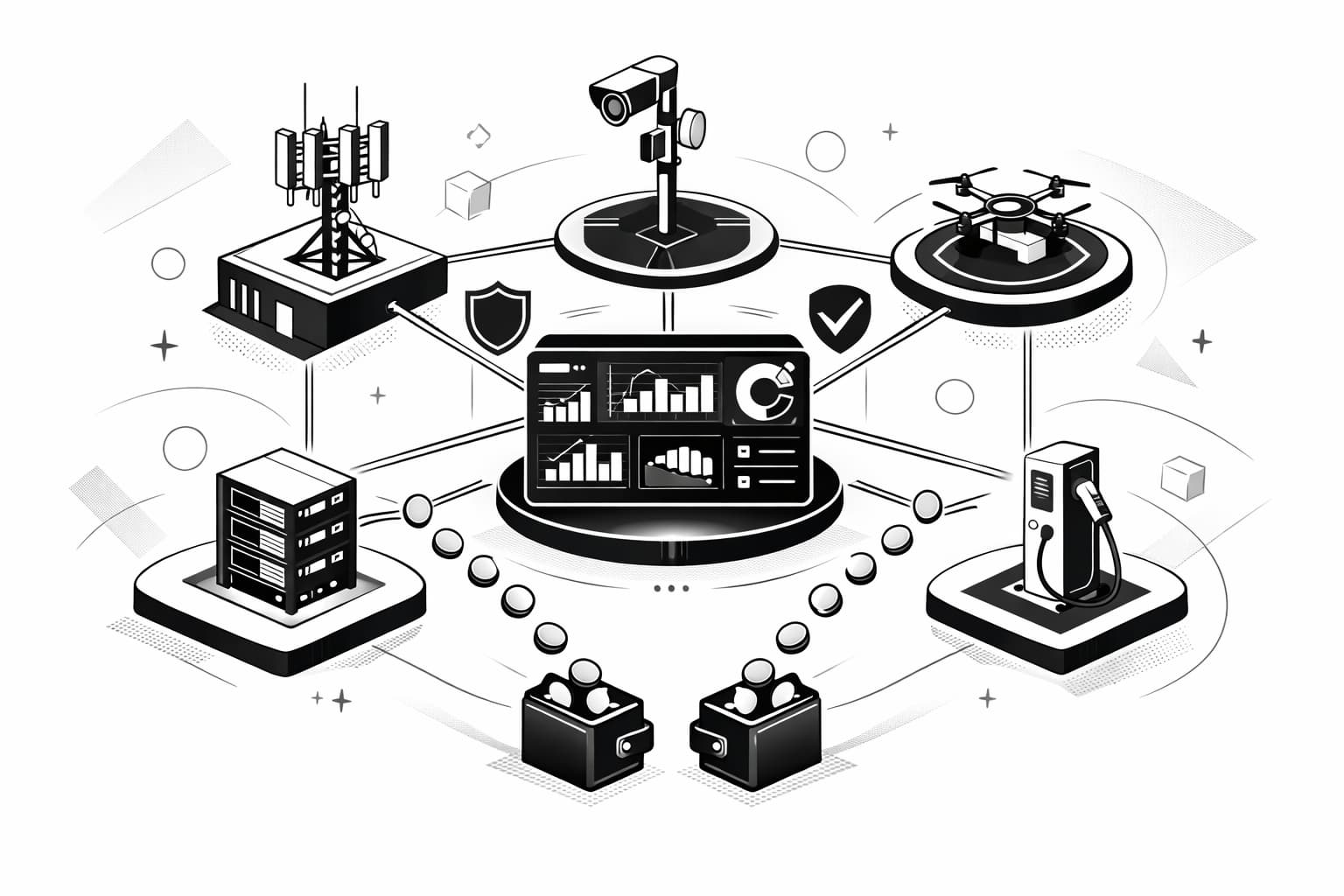
After you understand qualification basics, the next step is pattern recognition. The most useful way to study upcoming depin airdrops is not to chase names, but to ask how each network measures contribution, verifies activity, and turns usage into rewards. Different DePIN systems pay for very different forms of work, and those differences matter when you decide where to spend time, capital, or hardware budget.
Grass and bandwidth-style participation
Grass helped popularize a familiar model: lightweight participation through a browser extension, permissioned data sharing, and a points-based system that later shaped user expectations around claims. The lesson is not that every extension leads to tokens. It is that bandwidth-style networks often reward persistent, measurable contribution rather than one-off tasks.
In practice, these systems usually care about uptime, connection quality, geographic coverage, device consistency, and whether activity appears genuine. Large-scale claims also taught a second lesson: when a network grows fast, reward distribution may favor early users, active referrers, or wallets with longer histories of contribution. If you are studying depin airdrops 2026, look for proof that the project can distinguish real supply from low-effort farming.
Render and io.net for compute demand
Compute networks such as Render and io.net show a different incentive pattern. Here, the story is not passive browsing but matching expensive hardware to real demand. That changes user behavior. Participants start thinking about GPU availability, job completion, client demand, pricing, and whether the network can attract paying workloads beyond speculation. Both projects publicly describe marketplaces that connect distributed GPU supply with rendering or AI compute demand (Render Network; io.net Docs).
For readers asking how to get depin airdrop exposure in this category, the key insight is simple: compute rewards tend to make more sense when they reflect actual resource supply and completed work. If a project talks heavily about AI or GPU demand but gives little detail on job verification, client usage, or operator quality, treat that as a warning sign. Stronger designs usually tie incentives to fulfilled compute tasks, reliability, and economic activity on the network.
Helium, Storj, and The Graph as infrastructure case studies
Helium, Storj, and The Graph highlight how utility shapes rewards across wireless, storage, and indexing. Helium showed that hardware-backed networks can reward coverage and service, but token design must stay aligned with real network usage. Storj points to a storage model where uptime, available space, and successful retrieval matter more than social hype. The Graph, while broader than a simple airdrop example, illustrates how indexing rewards often depend on service quality, delegation, and network demand (Helium Docs; Storj Docs; The Graph Docs).
Taken together, these case studies offer a practical filter for evaluating upcoming depin airdrops: ask what resource is being supplied, how the network verifies it, who pays for it, and whether the reward model can survive after early incentives fade. That framework is usually more valuable than any project list.
How to evaluate whether a DePIN airdrop is worth farming
After you know how to get depin airdrop eligibility, the next step is deciding whether a campaign deserves your time at all. Not every DePIN points program or early reward program turns into meaningful value. In practice, the best opportunities tend to come from projects with a real service, sensible token design, and a reward path that matches the effort required.
Check the business model and real-world value
Start with the product, not the token. A DePIN project should solve a clear infrastructure problem: wireless coverage, compute supply, mapping, storage, energy coordination, or another service people will pay for. If demand only appears when incentives are high, that is a warning sign. Good upcoming depin airdrops usually come from teams building something customers, developers, or enterprises might still want without constant subsidy.
Look for signs of real usage: active nodes, paying clients, partnerships, geographic density where the network matters, and proof that supply and demand can meet in a useful way. If the business model is weak, even a generous allocation may not hold value for long.
Review tokenomics, unlocks, and FDV risk
A large airdrop can still disappoint if the token structure is poor. Check emissions, team and investor vesting, circulating supply at launch, and future unlock dates. A token with low float and a very high fully diluted valuation can look strong early, then fade as more supply hits the market. If you need a refresher, see how tokenomics affects airdrop value and understand token vesting and unlock risk.
Also ask a simple question: what drives ongoing token demand? If rewards are paid in a token with no clear use, the economics may depend too heavily on new entrants rather than network growth.
Estimate effort versus expected reward
Finally, compare your likely costs with realistic upside. Free social or testnet tasks may be easy, but they often attract huge participation and thin rewards. Hardware-based depin airdrops 2026 can offer better positioning, yet they come with device costs, setup time, electricity, bandwidth, maintenance, and the chance that your region is oversupplied.
Think in ranges, not best-case numbers. Estimate what you might earn if rewards are average, not exceptional. Then weigh that against opportunity cost: could the same capital or time produce better returns elsewhere? If the answer is unclear, treat the campaign as speculative and size your commitment accordingly.
Risks, scams, and claim safety for DePIN airdrops
Even if you understand how to get depin airdrop rewards, poor wallet security can wipe out the value of months of activity in one bad click. As depin airdrops 2026 attract more attention, fake claim pages, impersonator accounts, and malicious wallet prompts are likely to increase. The safest approach is simple: treat every claim like a high-risk transaction until you confirm it is real.
How to verify official claim links
Before connecting a wallet, confirm the claim link across multiple official sources. Start with the project website and documentation, then cross-check announcements in Discord and X. If the link appears in only one place, slow down. A real claim page should match the project’s usual domain, branding, and timeline.
It also helps to verify transactions on a blockchain scanner before signing anything. Check whether the claim contract has real activity, whether the token address matches official announcements, and whether other users are interacting with the same contract. This is one of the best filters for spotting fake upcoming depin airdrops and scam copies.
Protect your wallet before claiming
Use a burner wallet for farming and claims whenever possible. Keep long-term holdings in a separate wallet that never touches new claim pages. That way, if a wallet is exposed to a bad approval or phishing attempt, your main assets are not at risk.
Next, review token approvals regularly, revoke anything you no longer need, and never enter your recovery phrase to “confirm” an airdrop. No legitimate project will ask for it. If you need a refresher, review how to keep your seed phrase secure. In practice, the best way to approach upcoming depin airdrops is to pair qualification effort with strict wallet hygiene.
DePIN airdrops 2026 checklist and final strategy
As a final takeaway, the strongest approach to depin airdrops 2026 is usually simple: find promising networks early, participate in ways that create real proof of activity, and stay selective. Most people miss this by chasing every new campaign. In practice, better results often come from a small set of higher-conviction projects where your usage is consistent, trackable, and tied to infrastructure demand.
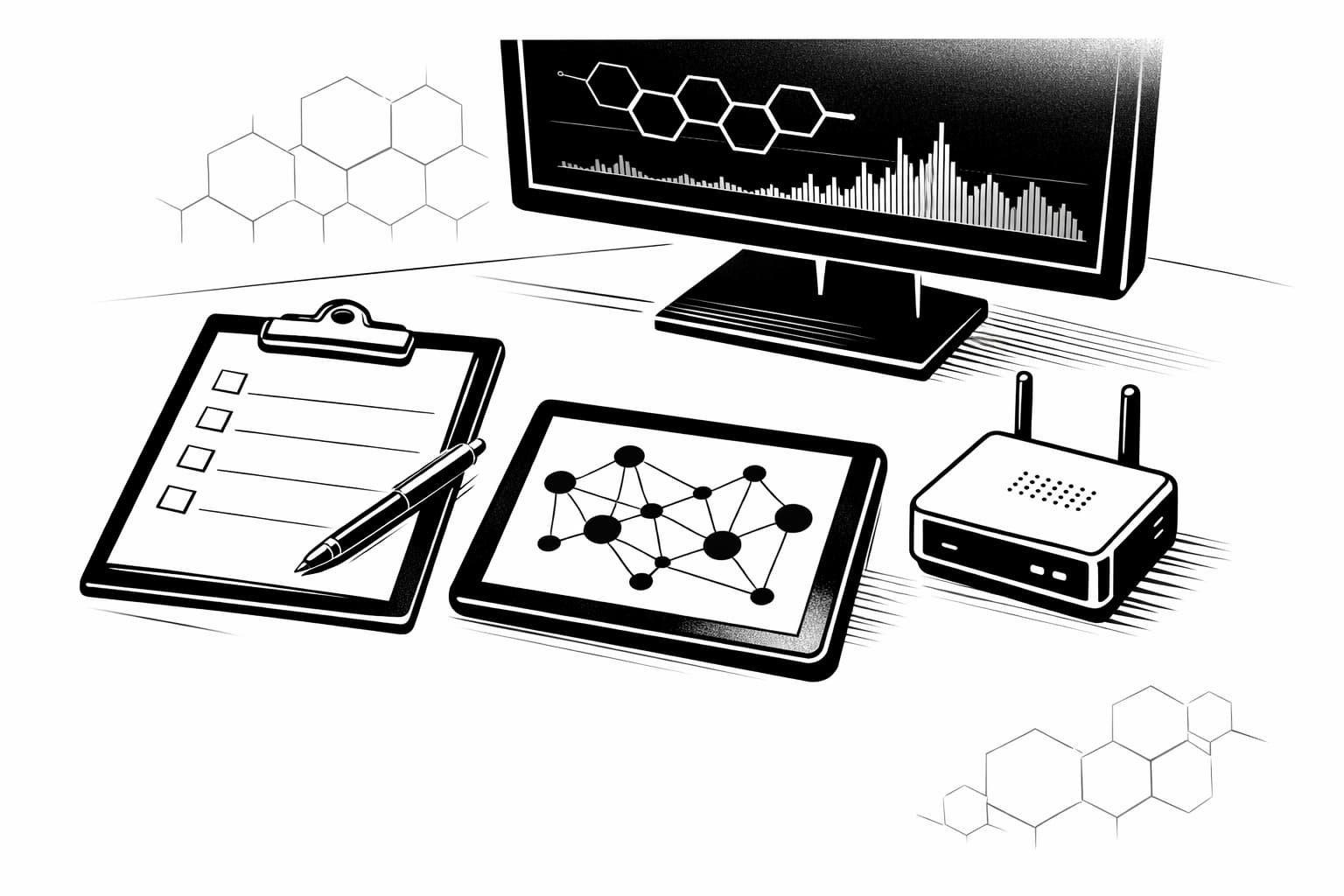
If you are still asking how to get depin airdrop opportunities without wasting time, think in terms of repeatable systems rather than one-off quests. Focus on a few upcoming depin airdrops with clear participation signals, reasonable costs, and a reward model that matches actual network growth. Then document what you do, keep wallets organized, and cut weak campaigns early.
A simple weekly routine for airdrop farmers
- Review active DePIN tasks once per week and confirm your core actions are still being counted.
- Monitor project updates, Discord announcements, and dashboards for rule changes or new milestones.
- Verify snapshot windows, wallet links, node status, or device uptime before key deadlines.
- Prune low-value campaigns that show weak traction, unclear token plans, or rising costs.
- Reallocate time and budget toward the few projects where steady participation has a real chance to matter.
That is the practical endgame for 2026: start early, stay consistent, and be selective enough to protect both capital and attention.
Frequently Asked Questions
- What are the best DePIN projects?
- Answer by grouping projects by sector such as compute, storage, wireless, and data. Emphasize that the best DePIN projects combine real usage, sustainable tokenomics, active users, and clear infrastructure demand rather than only hype.
- Is DePIN just a fad?
- Explain that DePIN is more than a fad when projects create real-world value through compute, storage, connectivity, or data networks. Also note that many projects will still fail, so readers should judge business fundamentals and adoption.
- What is a DePIN AirDrop?
- Define a DePIN airdrop as a token distribution from a decentralized physical infrastructure network to users, contributors, node operators, or early participants. Mention retroactive rewards, points campaigns, and claim mechanics.
- How to farm depins?
- Give a practical process: find credible projects early, use the product consistently, complete eligible tasks, track snapshots, avoid sybil behavior, and monitor official channels for season updates and claims.
- How do I claim my AirDrop tokens?
- Cover checking eligibility on the official site, connecting the correct wallet, reviewing network fees, verifying token contract details, and avoiding phishing links or suspicious approvals before claiming.
Sources
Author

Crypto analyst and blockchain educator with over 8 years of experience in the digital asset space. Former fintech consultant at a major Wall Street firm turned full-time crypto journalist. Specializes in DeFi, tokenomics, and blockchain technology. His writing breaks down complex cryptocurrency concepts into actionable insights for both beginners and seasoned investors.