DeFi on Arbitrum: Best Protocols on Base and Optimism
Why DeFi on Layer 2 matters now
Layer 2 DeFi is decentralized finance that runs on networks like Arbitrum, Base, and Optimism, which process transactions more cheaply and quickly than Ethereum mainnet while staying connected to Ethereum’s security model. Users choose these networks to trade, lend, and earn yield with lower costs and less friction. [1]

That shift matters because high mainnet gas fees can make simple actions expensive, especially for smaller portfolios. In contrast, Layer 2 networks open the door to more frequent trading, cheaper swaps, and easier access to lending, staking, and derivatives. As a result, more capital and more users are moving onchain activity to these ecosystems rather than treating Ethereum mainnet as the default place for every transaction. [2]
What makes Arbitrum, Base, and Optimism different from Ethereum mainnet
Arbitrum, Base, and Optimism are Ethereum Layer 2 rollups. In simple terms, they handle many transactions off the main chain, then post transaction data back to Ethereum. This design helps cut gas costs and improve speed without leaving the broader Ethereum environment behind. If you are comparing defi on Arbitrum with Ethereum mainnet, the biggest difference is usually cost. The same is true for defi on Base and Optimism, where lower fees can make smaller strategies practical. [1]
Even so, these networks are not identical. They differ in app selection, liquidity depth, user growth, and brand momentum. That is why a useful comparison needs to look beyond token lists and total value locked. It should focus on which apps are best for swaps, lending, yield, and advanced strategies, plus how each chain fits a specific goal.
Who this guide is for
This guide is for readers who want a clearer path into Layer 2 DeFi. If you are new, start with our beginner’s guide to DeFi. If you want more background on network compatibility and smart contracts, see how the EVM works. From there, this article will help beginners explore Arbitrum and help intermediate users compare Base and Optimism with a practical, risk-aware lens.
How to evaluate the best DeFi on Arbitrum, Base, and Optimism
Before comparing specific apps, it helps to set a clear framework. That way, a list of protocols becomes a practical decision tool instead of a popularity contest. When reviewing DeFi on Arbitrum, DeFi on Base, and Optimism, the goal is to balance hard data with real-world usability, so readers can judge which protocol fits their needs, risk tolerance, and trading style.
- TVL to gauge how much capital users trust the protocol with
- Liquidity depth to see whether trades or withdrawals can happen with low slippage
- Trading volume or lending demand to confirm active usage
- Audits and security history to assess technical risk
- Token incentives and yield quality to separate sticky growth from short-term farming
- User experience and wallet support to measure how easy the protocol is to access and use
- Protocol reputation and governance to understand team credibility and community oversight
Key metrics: TVL, liquidity, volume, and active users
Start with quantitative signals. Total value locked, or TVL, gives a quick sense of scale, but it should never stand alone. A protocol can attract deposits through temporary rewards, yet still have thin liquidity or weak daily activity. For that reason, TVL works best when paired with trading volume, borrowing demand, and the number of active users. [3]
Liquidity depth matters most for decentralized exchanges and stablecoin pools. Deep liquidity usually means lower slippage and more reliable execution. In lending markets, look at supplied assets, borrowed balances, and utilization rates. High borrowing demand often signals that a market is actually useful, not just funded. On networks where fees are low, active wallet counts and repeat transactions can also reveal whether a protocol has real traction rather than idle capital.
Qualitative factors: security, incentives, and product-market fit
Numbers tell only part of the story. Security reviews, audit history, bug bounty programs, and incident response matter just as much, especially for beginners. It is also worth checking whether decisions flow through active DAO governance, since strong oversight can improve upgrades, risk controls, and transparency.
Incentives deserve a closer look as well. High yields can attract attention, but sustainable yields backed by trading fees, lending interest, or real demand are usually healthier than emissions alone. Product-market fit is the final filter: does the app solve a clear problem better than alternatives on Arbitrum, Base, or Optimism? If the answer is yes, the protocol is more likely to keep users after rewards fade.
Best DeFi on Arbitrum: top protocols by category
When people talk about defi on Arbitrum, they are usually talking about one of the deepest app ecosystems on any Layer 2. Arbitrum has built a strong position because it combines low transaction costs with broad protocol coverage: spot trading, lending, perpetuals, vaults, and stablecoin infrastructure all sit in one network with meaningful liquidity. For users, that means fewer compromises. You can swap, post collateral, open hedges, and move capital into yield strategies without constantly bridging elsewhere. [4]
A more useful way to compare Arbitrum apps is by job to be done. Some protocols are best for everyday swaps. Others are better for borrowing against long-term holdings, while a different group serves active traders chasing build on or basis trades. Below are the main categories that matter most in practice.
Best Arbitrum DEXs for swapping and liquidity
For spot trading, Uniswap remains one of the safest starting points on Arbitrum thanks to deep liquidity on major pairs and familiar routing. It suits users who want efficient execution on blue-chip assets without spending much time comparing venues. If you are new to onchain trading, it also helps to understand how decentralized exchanges work before moving into thinner or more specialized markets.
Camelot stands out as a more Arbitrum-native option. It has historically attracted ecosystem tokens, active community participation, and features aimed at projects launching within the chain. That can make Camelot a better fit for users trading mid-cap Arbitrum assets, though execution quality depends more on pool depth and current incentives.
Sushi, Balancer, and other multichain DEXs also matter because routing across venues can improve fills. In practice, the best swap is not always on the biggest brand. Aggregators and routers search across liquidity pools, fee tiers, and pool types to reduce slippage. For large orders, that matters as much as headline TVL. Traders moving majors often care most about price impact, while LPs should focus on volume, fee generation, and impermanent loss rather than rewards alone.
Best Arbitrum lending protocols
On the lending side, Aave v3 is the benchmark for many users. It offers a broad set of collateral assets, transparent risk parameters, and a lending market structure that is easy to understand: deposit assets to earn yield, or borrow against collateral without selling your position. Typical use cases include borrowing stablecoins against ETH, looping lower-volatility strategies, or keeping long exposure while freeing up liquidity. [5]
Radiant Capital has also been important within defi on Arbitrum, especially for users interested in cross-chain lending narratives and incentive-rich markets. Still, higher incentives can come with more moving parts and more protocol-specific risk. Beginners are often better served by starting with large, battle-tested markets, then exploring smaller venues once they understand liquidation thresholds, variable borrowing rates, and utilization-driven swings in lender yield.
Best Arbitrum derivatives and perpetuals platforms
Arbitrum became especially well known for derivatives because its lower fees and faster confirmations are a natural fit for active trading. GMX helped define that category by offering onchain perpetual exposure with deep community adoption and a model built around shared liquidity. It appeals to traders who want directional exposure without relying on a centralized exchange, and to liquidity providers who are comfortable taking the other side of trader flow. [6]
Other platforms, including Gains Network and newer perpetual venues, broaden the menu with different oracle designs, collateral models, and asset coverage. The right choice depends on what you value most: tighter spreads, lower fees, broader market access, or simpler risk. For many users, Arbitrum still feels strongest in this category because derivatives activity has been native to the chain for years.
Best Arbitrum yield and strategy protocols
For passive positioning, Arbitrum offers vaults, auto-compounders, and strategy protocols that package common actions into one deposit. Options in this category can include Yearn-style vault strategies, LP automation, and stablecoin yield products tied to lending or market making. These are useful for users who want exposure to fees and incentives without manually harvesting and rebalancing every few days.
That said, advertised APY needs context. Very high yields often depend on token emissions, temporary incentive programs, or strategies that carry smart contract, liquidity, or liquidation risk. Sustainable yield usually comes from real borrowing demand, trading fees, or well-structured basis opportunities rather than rewards that can disappear quickly.
One final category worth watching is stablecoin infrastructure. Protocols that support minting, swapping, and collateralized stable liquidity help hold the whole ecosystem together. Even if users never interact with them directly, they improve capital efficiency across Arbitrum and make the broader DeFi stack easier to use.
Best DeFi on Base: where the ecosystem is strongest
After looking at Arbitrum’s deeper, more battle-tested market, it helps to view Base through a different lens. The strongest case for defi on base is not that it already beats every rival on depth or protocol count. It is that Base makes onchain finance feel easier to enter, especially for people moving from a centralized exchange or making their first few DeFi transactions.
Base has grown quickly in part because of its close connection to Coinbase. That adjacency matters. Users already familiar with Coinbase often find the path into Base less intimidating than jumping straight into a more fragmented ecosystem. Fees are generally low, wallet support is broad, and the network has attracted apps designed for simpler user flows rather than only advanced trading strategies. For beginners still learning swaps, lending, and stablecoin basics, that cleaner first step can be a real advantage. [7] [8]
What makes DeFi on Base attractive to new users
The biggest strength of defi on base is onboarding. Base works with widely used wallets, and its connection to familiar exchange infrastructure lowers the mental barrier for first-time users. In practice, that means fewer confusing steps, less chain-hopping friction, and a smoother move from holding crypto to actually using it in DeFi.
There is also a consumer-app bias on Base that stands out. Many projects focus on clear interfaces, social features, payments, or simple yield products instead of only serving power users. That does not remove risk, but it can make Base feel more approachable than Arbitrum, where the menu of options is broader and often aimed at more active DeFi participants.
Top Base protocols to watch
In decentralized trading, Aerodrome is the clear name to watch. It has become a core liquidity hub on Base and plays a role similar to what top DEXs do in more mature ecosystems. Compared with leading options in defi on arbitrum, Aerodrome still operates in a smaller market, but its position inside the Base economy is strong. [9]
For lending, Moonwell has emerged as one of the most recognizable Base protocols. It offers a simpler entry point for users who want to supply assets or borrow against holdings without sorting through too many advanced settings. Arbitrum lending markets still tend to offer greater depth and more established liquidity, though Base is competitive for straightforward use cases. [10]
Other Base apps are worth tracking because they reflect the chain’s identity: easier UX, retail-friendly design, and tighter ties to everyday crypto users. That is where Base competes best today. If you want the broadest DeFi menu, Arbitrum still leads. If you want a cleaner starting point with strong DEX and lending options, Base is often the easier choice.
How Optimism compares for DeFi users
After looking at defi on arbitrum and defi on base, Optimism deserves a separate look because it appeals to a slightly different type of user. It may not always lead on raw total value locked or headline activity, but it has built a clear identity around ecosystem coordination, public-goods funding, and a growing network vision through the Superchain. For users who care about more than just the lowest fee on a single swap, that can matter. [11]
Strengths of the Optimism ecosystem
Optimism stands out for how tightly its ecosystem story fits its product design. The OP token, Retro Funding model, and broader governance structure give the chain a stronger aligned-participation feel than many rival networks. In practice, that means some users are not only farming yields or chasing points, but also paying attention to governance, grants, and long-term ecosystem growth. [12]
On the protocol side, Optimism remains well supported by major DeFi names. Users can access proven lending markets, established DEX liquidity, liquid staking integrations, and derivatives infrastructure without feeling like they are confined to a smaller experimental chain. That balance helps Optimism feel mature enough for serious use while still offering room for ecosystem-led incentives.
When Optimism may be a better fit than Arbitrum or Base
Optimism can be the better choice if you prefer apps connected to the Superchain thesis or want exposure to incentive programs tied to OP governance and ecosystem expansion. Compared with Arbitrum, it may offer fewer everything-under-one-roof DeFi options in some categories, but it can feel more curated and easier to follow. Compared with Base, it often has a deeper native DeFi identity and a stronger governance layer behind it.
For lending and blue-chip DeFi activity, Optimism works well for users who want trusted protocols and reasonable costs without constantly rotating into newer ecosystems. For swaps, fees are often competitive enough for regular use, though exact costs still depend on market conditions and route quality. If your goal is broad app variety, Arbitrum may still win. If you want Coinbase adjacency and simpler retail momentum, Base has an edge. But if you value ecosystem incentives, governance-aligned apps, and the long-term Superchain direction, Optimism is often the better fit.
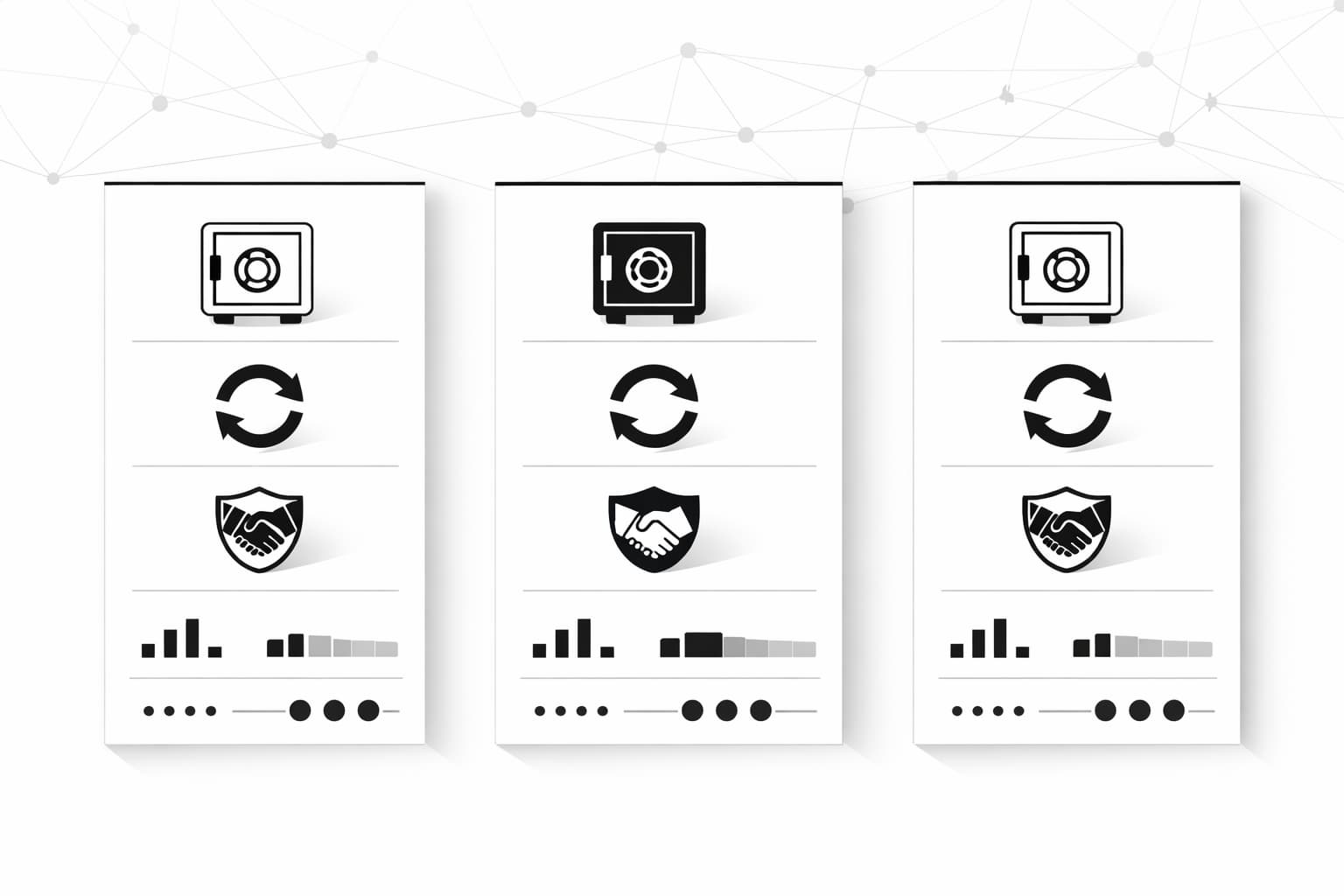
Arbitrum vs Base vs Optimism: quick comparison table
If you want a fast answer before comparing individual apps, this summary highlights where each network stands today. In practice, the best choice depends on whether you care most about low fees, deeper liquidity, a wider protocol mix, or simpler onboarding.
Network | Best for | Strengths | Trade-offs | Ideal user |
|---|---|---|---|---|
Arbitrum | Active DeFi trading | Deep liquidity, broad protocol variety, strong derivatives, mature ecosystem | Can feel crowded for beginners, fees may rise during busy periods | Users who want the widest DeFi on Arbitrum options |
Base | Simple onboarding and low-cost activity | Beginner friendly, low fees, growing app ecosystem, strong retail access | Less mature liquidity in some categories, fewer battle-tested protocols | Newer users exploring defi on base with smaller positions |
Optimism | Lending and steady onchain earning | Solid lending markets, established ecosystem, good user experience, consistent core apps | Smaller protocol variety than Arbitrum, less standout trading depth | Users focused on borrowing, lending, and simpler yield strategies |
Which Layer 2 is best for trading, lending, and earning yield
Trading: Arbitrum is usually the strongest pick thanks to deeper liquidity, better derivatives coverage, and more choices for advanced traders.
Lending: Optimism is a strong fit for users who want established lending markets and a cleaner path to borrow or supply assets.
Earning yield: Base is often the easiest starting point for smaller wallets, while Arbitrum offers more variety for users willing to compare risk and liquidity more closely.
Risks to understand before using DeFi on Arbitrum or Base
Low transaction costs make experimentation easier, but they do not make DeFi safe. Whether you are exploring defi on Arbitrum or comparing newer options in defi on Base, the same core risks still apply: code can fail, prices can break from reality, incentives can fade, and user mistakes can be permanent.
That matters because many Layer 2 apps feel polished and inexpensive to use. In practice, cheaper trades and faster confirmations can encourage people to move too quickly. Before depositing, borrowing, or farming, it helps to slow down and assess where risk actually sits.
Protocol and smart contract risk
Every DeFi app depends on smart contracts, and any bug in that code can lead to lost funds. Audits are a useful signal, but they are not a guarantee. A protocol with multiple audits, active bug bounties, and a long operating history is often safer than an untested project, yet even established names have suffered incidents.
You should also check admin controls. Can a multisig pause markets, upgrade contracts, or change risk settings? Those powers can help teams respond to emergencies, but they also add governance and key-management risk. Oracle design matters too. If a lending market depends on weak or thin price feeds, liquidations and bad debt can follow fast. Token incentives are another warning sign: unusually high yields may reflect temporary emissions rather than real demand.
User-level risk: wallets, bridges, and liquidation
A large share of losses comes from simple execution mistakes. Users bridge funds to the wrong network, approve unlimited token spending, sign malicious messages, or interact with copycat apps. Always confirm the chain, token, and destination address before moving funds. If possible, start with a small test transaction.
Borrowing adds another layer of risk. If you post a volatile asset as collateral and the market drops, your position can be liquidated even if you still believe in the asset long term. Keep collateral ratios conservative and avoid borrowing near the maximum.
For a safer approach, use this checklist:
- Check audits, bug bounties, and protocol age.
- Review admin keys, upgrade powers, and oracle sources.
- Use official apps and verified bridge routes only.
- Limit token approvals and revoke old ones.
- Test transfers with a small amount first.
- Avoid over-borrowing against volatile collateral.
- Store meaningful balances in a secure wallet.
How to get started with DeFi on Layer 2
Once you know which apps fit your goals, the next step is getting set up safely. Whether you want to try defi on Arbitrum, test defi on Base, or compare both with Optimism, the onboarding process is fairly similar: set up a wallet, fund it, bridge assets, and begin with a small position you can monitor easily.
Tools you need before using a Layer 2 protocol
Start with a self-custody wallet such as MetaMask, Rabby, or Coinbase Wallet. If you are new to setup, review crypto wallet basics first. Make sure the wallet has the correct network settings for Arbitrum, Base, and Optimism, and double-check wallet addresses before sending funds.
You will also want a block explorer bookmarked for each chain so you can confirm deposits, swaps, and bridge transfers. For assets, many beginners start with stablecoins like USDC or DAI because they reduce price swings while you learn how protocols work. Keep a small amount of ETH on each network as gas.
A simple first DeFi workflow for beginners
Here is a low-risk starting path: send ETH or USDC to your wallet, bridge a small amount to Arbitrum, Base, or Optimism, then swap into the asset you want on a well-known DEX. After that, if you want one more step, deposit the stablecoin into a trusted lending market instead of chasing higher-risk yield strategies.
Keep the first transaction small, confirm every step on the explorer, and write down where your funds are deployed. In practice, that makes it much easier to compare fees, liquidity, and ease of use across chains. As you gain confidence, you can expand from one simple position into a broader Layer 2 DeFi routine.
Final thoughts: choosing the right Layer 2 DeFi ecosystem
In the end, there is no single best chain for every DeFi user. The right choice depends on what you want to do first, how much friction you can tolerate, and how much protocol risk you are willing to take. If you care most about deep liquidity, broad app selection, and mature markets, defi on Arbitrum will often feel like the strongest fit. If you want a cleaner entry point, simpler apps, and an ecosystem that feels easier to use, defi on Base may be the better starting point. Optimism sits in a useful middle ground for users who want established DeFi options without chasing every new protocol.

That also means your best Layer 2 may change over time. You might begin on Base for easier onboarding, move to Arbitrum for perpetuals or higher-liquidity lending, and keep Optimism in the mix for selected yield or blue-chip protocols. Rather than picking a winner in the abstract, match the chain to the job.
Best picks by user type
- Start with Arbitrum if you want the widest protocol variety, active trading venues, and stronger liquidity for advanced DeFi strategies.
- Start with Base if you are newer to Layer 2, prefer a simpler user experience, or want to explore lending, swaps, and yield farming with less complexity.
- Start with Optimism if you want a balanced option with recognizable protocols and a steadier, less crowded experience.
A practical approach is simple: choose the ecosystem that best matches your immediate goal, start small, and let real usage guide your next move.
Frequently Asked Questions
- What is base in DeFi?
- Define Base as an Ethereum Layer 2 network designed to support lower-cost decentralized apps. Explain its role in DeFi, why users and developers choose it, and how it differs from a DeFi protocol itself.
- Can I buy DeFi on Coinbase?
- Clarify that users can buy certain DeFi-related tokens on Coinbase, but using DeFi usually means interacting with decentralized apps through a wallet. Briefly distinguish buying tokens from using DeFi protocols.
- Is DeFi illegal in the US?
- Explain that DeFi itself is not broadly illegal in the US, but regulations vary by activity, platform design, and user obligations. Avoid legal advice and note compliance, tax, and jurisdiction considerations.
- What does it mean if a crypto is on base?
- Explain that a token on Base is issued or bridged onto the Base Layer 2 network. Cover what this means for fees, wallet compatibility, liquidity, and how users should verify the correct contract address.
Sources
Author

Crypto analyst and blockchain educator with over 8 years of experience in the digital asset space. Former fintech consultant at a major Wall Street firm turned full-time crypto journalist. Specializes in DeFi, tokenomics, and blockchain technology. His writing breaks down complex cryptocurrency concepts into actionable insights for both beginners and seasoned investors.