Asset Tokenization Platform Guide: How They Work & Top Options

SEO Title: Asset Tokenization Platform Guide: How They Work & Top Options
Meta Description: Learn how an asset tokenization platform works, key features to compare, and top options for RWA issuance, compliance, and trading.
What an Asset Tokenization Platform Is
An asset tokenization platform is the software and service layer that helps convert ownership rights in a real-world asset into digital tokens on a blockchain. In plain English, it connects the legal asset off-chain with the token on-chain, so the token represents a real claim, interest, or economic right. A rwa tokenization platform does the same thing; “RWA” simply means real-world assets. If you are new to the category, it helps to start with RWA in crypto.
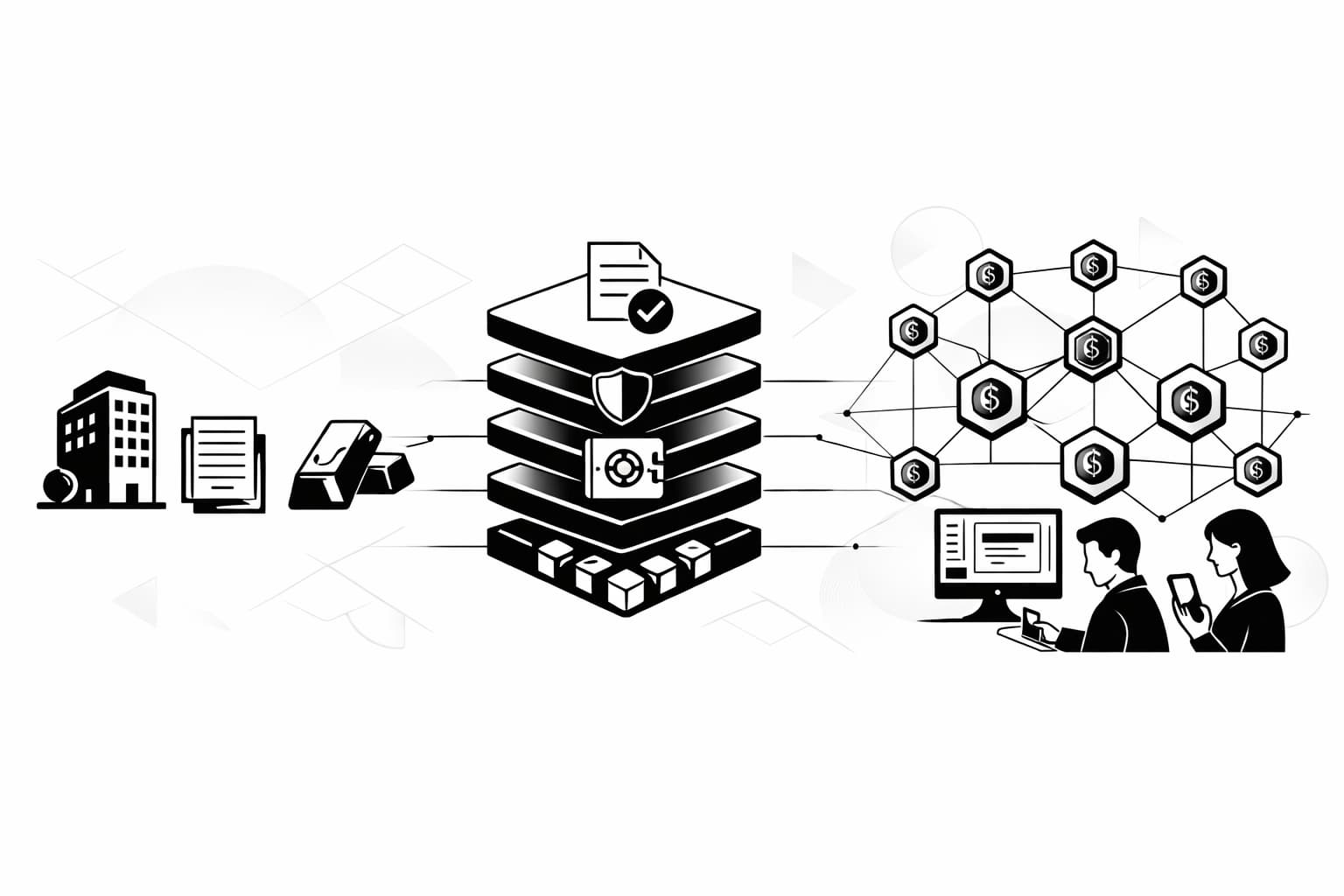
That distinction matters. A platform is not just a place where tokens exist. It usually supports issuance, investor onboarding, compliance checks, cap table records, reporting, and sometimes custody or transfer controls. By contrast, an exchange focuses on trading, a wallet stores keys and assets, and a protocol is often just the on-chain rules. Industry groups such as the World Economic Forum and major market infrastructure firms describe tokenization as a stack that combines legal structuring, digital identity, custody, settlement, and servicing rather than token minting alone.[1]
Asset tokenization vs. simple crypto token creation
Minting a token is easy. True tokenization is harder. A real asset tokenization platform must tie the token to an underlying asset through legal documents, issuer structures, servicing workflows, and compliance processes such as KYC, AML, transfer restrictions, and investor eligibility. Without those links, you may have a token, but not a reliable tokenized asset.
In other words, tokenized assets are not defined by code alone. They depend on enforceable ownership rights, clean data, and operating procedures that keep the blockchain record aligned with the real asset.
Common asset types platforms support
Most platforms support a growing mix of real-world assets: real estate, private credit, funds, bonds, invoices, commodities, and stablecoin-like asset-backed structures. Some also support equity in private companies, revenue-sharing instruments, carbon assets, and trade finance receivables. For a broader view of what is already live in the market, see these tokenization examples.
How an Asset Tokenization Platform Works Step by Step
An asset tokenization platform is best understood as a workflow, not just a piece of software. In practice, it connects legal structuring, compliance checks, token creation, custody, and investor access into one operating system for real-world assets. This general process matches the issuance flow described by firms such as BCG, Deloitte, and major digital asset infrastructure providers.[2]
- Structure the asset: The issuer places the asset into a legal wrapper so the token represents a defined ownership or economic claim.
- Onboard investors: The platform runs KYC, AML, and eligibility checks before allowing any subscription or transfer activity.
- Issue the token: Tokens are minted with rules for ownership records, transfer limits, and corporate actions written into code.
- Set up custody and settlement: Investors receive tokens through approved wallets or custodians, and cash-to-token settlement is coordinated.
- Enable distribution and trading: Tokens are offered through placement partners or marketplaces, with secondary trading subject to venue and compliance rules.
1. Asset origination and legal wrapper
The process starts with the asset itself: a property, private credit pool, fund interest, treasury strategy, equity stake, or other real-world exposure. In most cases, the asset is not tokenized directly. Instead, it sits inside a legal wrapper such as an SPV, fund, trust, or operating company, and the token represents shares, units, notes, or beneficial interests in that entity.
That distinction matters because buyers are not only evaluating code; they are evaluating enforceable rights. A strong rwa tokenization platform ties the on-chain record to off-chain legal documents, subscription agreements, offering terms, and servicing data. This is where administrators, trustees, and transfer agents often enter the picture.
2. Compliance, KYC, and investor eligibility
Next comes investor onboarding. Before anyone can buy or receive tokens, the platform checks identity, sanctions exposure, source-of-funds signals, jurisdiction, and investor status. Depending on the offering, that may include accreditation tests, professional investor rules, holding-period limits, and country-specific selling restrictions. These controls reflect standard securities compliance expectations and FATF-style AML screening practices.[3]
Many platforms enforce these checks through permission layers tied to wallet addresses. In other words, a wallet can be approved, rejected, or limited based on the investor profile behind it. This is one reason the compliance engine is just as important as the token itself.
3. Token issuance and smart contract setup
Once the structure and investor rules are set, the issuer mints tokens and configures the contract logic. These smart contracts can manage supply, ownership records, whitelists, transfer restrictions, lockups, redemptions, coupon or dividend events, and voting rights.
Some platforms also connect token issuance to cap table systems and off-chain data providers, so the on-chain token stays aligned with legal ownership books, NAV updates, or payment schedules. Programmability is useful here, but only when it reflects the actual legal and operational terms of the asset.
4. Custody, wallets, and settlement
After issuance, tokens need a place to live. That can mean self-custody for eligible investors, institutional custody through a qualified custodian, or embedded wallet infrastructure managed by the platform. For many buyers, support for secure onboarding into crypto wallets is a practical decision point, especially when serving investors who are new to digital assets.
Settlement then links the payment leg and the token leg. Depending on the setup, investors may fund with fiat, stablecoins, or both, while the platform coordinates issuance, reconciliation, and final delivery.
5. Distribution and secondary trading
Finally, tokens reach investors through direct issuer channels, distributors, broker-dealers, private placement networks, or digital asset marketplaces. Secondary trading, when allowed, usually happens on approved venues or bulletin-board style systems with the same eligibility controls applied to primary issuance.
So the real question is not whether a platform can mint a token. It is whether the full operating flow—from legal wrapper to post-trade controls—works cleanly for the asset class, investor base, and jurisdiction you plan to serve.
Core Features to Look For in an RWA Tokenization Platform
Once you move past the basic workflow, the real buying decision comes down to controls, integrations, and operational fit. A strong asset tokenization platform should do more than mint tokens. It should help you manage who can hold them, how asset data flows into the system, and what happens after issuance when investors want reporting, distributions, or transfers.
In practice, the best rwa tokenization platform for one issuer may be the wrong choice for another. Real estate, private credit, funds, and collectibles all carry different servicing needs. So instead of comparing vendors by marketing claims, use a feature checklist tied to your asset type, investor base, and jurisdiction mix.
Compliance and transfer controls
Start here. For most issuers, compliance design is the difference between a workable product and a legal headache. Look for permissioned transfers, investor whitelisting, wallet screening, holding-period rules, and jurisdiction-based restrictions. You also want clear audit trails that show who approved onboarding, when wallets were added, and why a transfer was allowed or blocked. If your investor pool spans countries, ask whether rules can be customized by region, investor class, or offering type rather than hard-coded once.
Custodians, wallets, and key management
Custody choices shape trust. Some investors want self-custody, while institutions often prefer qualified custodians, policy controls, and recovery processes. A good asset tokenization platform should support multiple wallet models, segregation of client assets, and approval workflows for sensitive actions. If key management is weak or unclear, adoption usually stalls no matter how polished the front end looks.
Data, reporting, and ecosystem integrations
Next, check how the platform handles asset data after launch. Fund and credit products may need NAV feeds, payment status updates, cap table exports, and investor-level reporting. Ask about data-provider connections, transfer-agent support, and APIs for syncing with CRM, fund admin, accounting, and treasury systems. This also matters if subscriptions or distributions rely on stablecoins.
Distribution, liquidity, and trading support
Finally, consider access and liquidity. Some platforms are built mainly for private placements, while others support investor portals, broker-dealer workflows, secondary venues, or market-maker connectivity. If your strategy includes future trading access, ask how tokens can move into approved centralized venues or other permitted on-chain environments without breaking compliance rules.
Feature | Why it matters | What to ask vendors |
|---|---|---|
Transfer controls | Limits unlawful or ineligible transfers | Can rules vary by investor type, country, and holding period? |
Custody options | Affects security and investor confidence | Do you support self-custody, qualified custodians, and recovery workflows? |
Reporting | Supports servicing and audits | Are NAV, cap table, and investor reports available by API and export? |
Integrations | Reduces manual operations | Which admins, transfer agents, and data providers are preconnected? |
Liquidity support | Improves investor access over time | What secondary venues, broker workflows, or market makers are supported? |
Best Blockchain Networks for Tokenization
The best blockchain for tokenization depends on the asset, investor base, and compliance needs. For most teams, Ethereum and other EVM-based networks offer the deepest tooling and market access, while Stellar, XRP Ledger, and permissioned models can fit payment-heavy or tightly regulated programs better.[4]
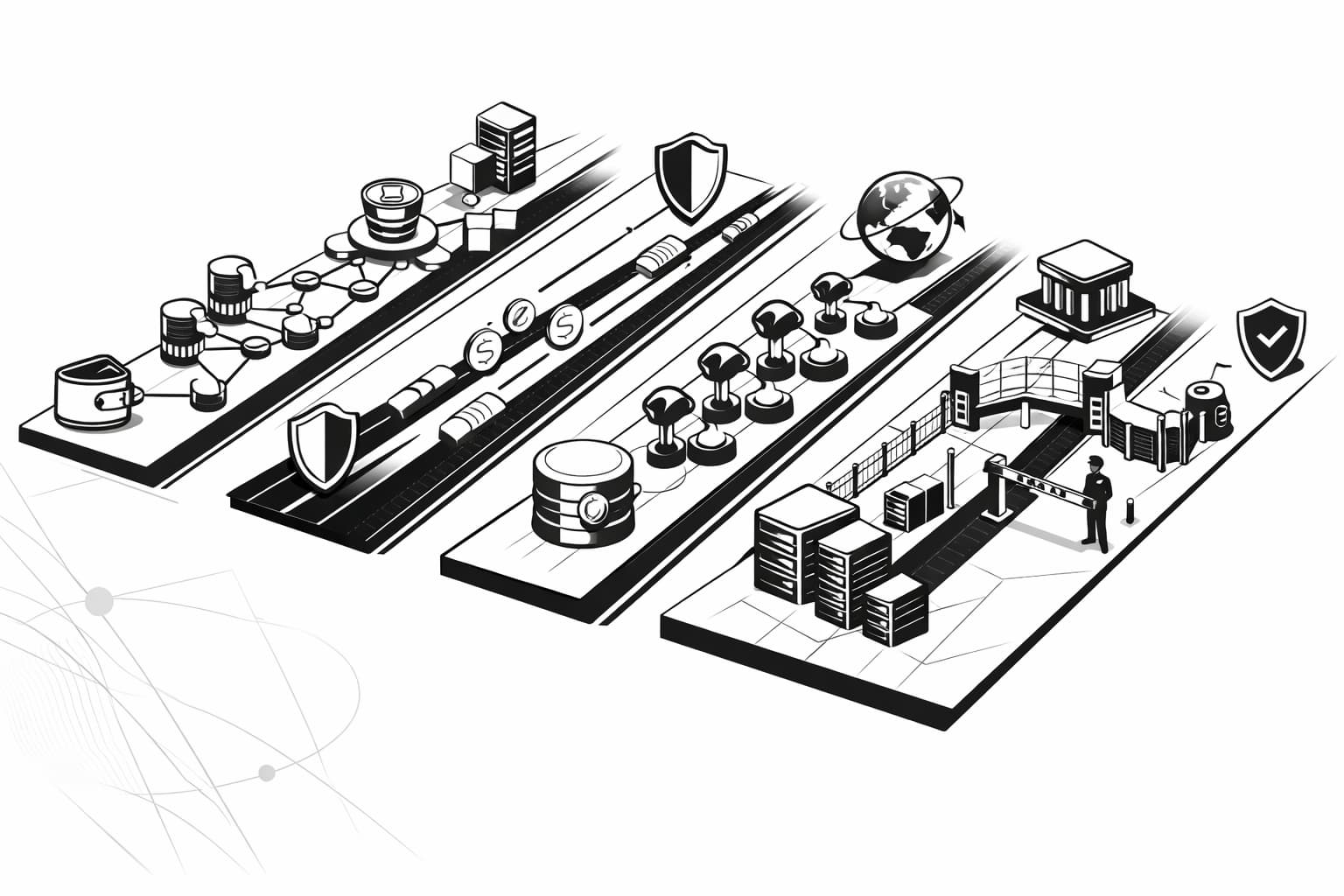
That said, choosing an asset tokenization platform is partly a blockchain decision and partly an operating model decision. Fees, settlement speed, wallet support, transfer controls, and secondary liquidity all shape the outcome.
Ethereum and EVM-based networks
Ethereum remains the default choice for many issuers because ERC-based standards are widely supported and familiar to developers, custodians, and infrastructure vendors. That matters when a buyer wants flexibility across issuance, wallets, compliance modules, and trading venues. EVM chains also connect more easily to broader on-chain finance, which can matter for future liquidity, collateral use, or fund operations.
Just as important, institutional tooling on Ethereum has matured. Many providers support permissioned transfers, whitelist logic, identity checks, and role-based administration on top of standard token contracts. The trade-off is cost and complexity: mainnet can be expensive, while lower-cost EVM networks reduce fees but may involve different security, liquidity, and adoption profiles.
Stellar and XRP Ledger
Stellar and XRP Ledger are often strong fits for issuance tied to payments, treasury flows, and cross-border distribution. Both are known for fast settlement and low transaction costs according to their network documentation and third-party infrastructure comparisons.[5] They can also be simpler to work with for straightforward asset issuance, especially when the product does not need deep smart contract flexibility.
For some enterprise programs, that simplicity is a feature, not a limitation. A rwa tokenization platform built on these networks may appeal to issuers focused on operational efficiency, remittance-style use cases, or controlled investor access rather than broad composability.
Permissioned and hybrid models
Some regulated issuers prefer permissioned or hybrid designs when privacy, governance, and transfer restrictions outweigh open-network benefits. In these setups, investor activity may happen on a controlled ledger, while reporting, settlement proofs, or selected assets connect to public chains later.
In practice, the right answer comes down to trade-offs: open access versus control, ecosystem depth versus simplicity, and future liquidity versus present-day compliance comfort.
Top Asset Tokenization Platform Options by Use Case
After you narrow down features and blockchain fit, the next step is choosing the right asset tokenization platform for your specific business model. There is no single best option for every issuer. In practice, the strongest choice depends on what you are tokenizing, who your investors are, and how much compliance, custody, and distribution support you need.
A fair comparison also means looking past marketing claims. Some platforms are strongest in regulated issuance and investor onboarding. Others are better as infrastructure layers for multiple issuers, while some focus on one asset class such as real estate or private funds. With that in mind, here are the main categories buyers should compare.
Enterprise and institutional issuance platforms
For banks, fund managers, and larger issuers, enterprise-grade platforms tend to offer the most complete operating model. Providers such as Securitize, ADDX, SDAX, and LCX are often evaluated for compliant issuance, investor onboarding, cap table management, reporting, and links to regulated custody or trading venues.[6]
These platforms usually fit issuers that need controlled investor access, formal workflows, and strong documentation. They may also support multiple security structures, private placements, and fund vehicles. If your priority is bringing a tokenized product to market with institutional expectations around governance and auditability, this category often makes sense first. In many cases, a rwa tokenization platform in this group acts less like a simple software tool and more like a service-backed operating partner.
Protocol and standards-driven ecosystems
Not every issuer wants a single full-service vendor. Some prefer open infrastructure built around compliance-aware token standards, identity layers, and reusable on-chain modules. This is where standards such as ERC-3643-style frameworks come in, along with issuer ecosystems that support transfer rules, wallet screening, jurisdiction checks, and role-based permissions across many participants.
The appeal here is flexibility. A protocol-led setup can let issuers choose their own service providers for custody, identity, transfer agency, or secondary trading while staying within a shared framework. That can be attractive for firms building repeatable issuance programs or network-based marketplaces rather than one-off deals.
Real estate and private asset specialists
Specialists matter because real estate, private credit, and fund tokenization each have different operational demands. A platform built for property offerings may include SPV support, distribution waterfalls, and investor portals tailored to income-producing assets. Private credit platforms may focus more on servicing data, payment flows, and borrower reporting. Fund tokenization providers often emphasize subscriptions, redemptions, and transfer restrictions.
This specialization can reduce custom work and speed up launch. It also lowers the risk of forcing a niche asset into a generic workflow that was designed for something else. Buyers should still verify how much of the workflow is truly productized versus handled manually behind the scenes.
How to evaluate top options fairly
Rather than asking which platform is number one, compare options across a clear set of criteria:
- Regulation: licensing posture, jurisdiction fit, and compliance support
- Asset coverage: securities, funds, private credit, real estate, or mixed products
- Investor access: retail, accredited, institutional, or cross-border distribution
- Custody model: integrated custody, third-party custody, or self-custody compatibility
- Blockchain support: one network or multi-chain issuance options
- Liquidity paths: bulletin board, ATS, exchange links, or limited transferability only
- Track record: live issuances, operating history, and reference clients
Seen this way, the best asset tokenization platform is the one that fits your issuance model end to end, not the one with the loudest brand.
Benefits, Risks, and Limits of Tokenized Assets
After comparing each asset tokenization platform by use case, it helps to step back and ask a simpler question: what does tokenization improve, and where does it still fall short? The answer is mixed. At its best, an asset tokenization platform can make private market assets easier to package, distribute, and manage. At the same time, a rwa tokenization platform does not remove legal, market, or operational risk. In many cases, it just changes where that risk sits.
Why firms and investors are interested
The appeal starts with access and efficiency. Tokenized structures can lower minimum investment sizes, which opens the door to fractional ownership and a wider investor base. Issuers may also benefit from faster settlement, cleaner cap table management, and more transparent recordkeeping. Because ownership and transfer data sit on-chain, investors, administrators, and compliance teams can often audit activity more easily.
There is also a distribution advantage. A well-designed asset tokenization platform can support cross-border offerings, programmable cash flows, and automated restrictions on who can buy, hold, or transfer a token. In theory, that can improve liquidity, speed up corporate actions, and reduce manual processing. Large institutions including JPMorgan, HSBC, and BlackRock have all explored or launched tokenized products, which suggests the model has moved beyond theory into selected real-world use cases.[7]
What can still go wrong
Even so, tokenization has limits. Rules can change quickly across jurisdictions, and legal treatment may differ by asset type, investor class, or transfer method. Secondary markets are still thin for many tokenized assets, so a token may be easier to split than to sell. Pricing can also drift if the underlying asset is hard to value or updated infrequently.
Operationally, smart contract bugs, custody breakdowns, failed key management, and vendor dependency remain real concerns. The biggest issue, though, is often the link between the token and the legal claim it represents. If off-chain documents are weak or inconsistent, the token itself may not guarantee the rights an investor expects. Buyers should also ask what happens if a vendor shuts down, changes pricing, or limits support for a chosen blockchain.
How to Choose the Right Platform for Your Project
After comparing features, networks, and vendors, the next step is fit. The best asset tokenization platform for a real estate issuer may be wrong for a private credit fund or a fintech launching investor-facing products. Start with your asset type, target investors, and operating geography. Then map the compliance load, custody model, and how much secondary liquidity you actually need. In practice, some teams need a full-service provider, while others are better served by a modular rwa tokenization platform or a protocol-first stack they can build around.
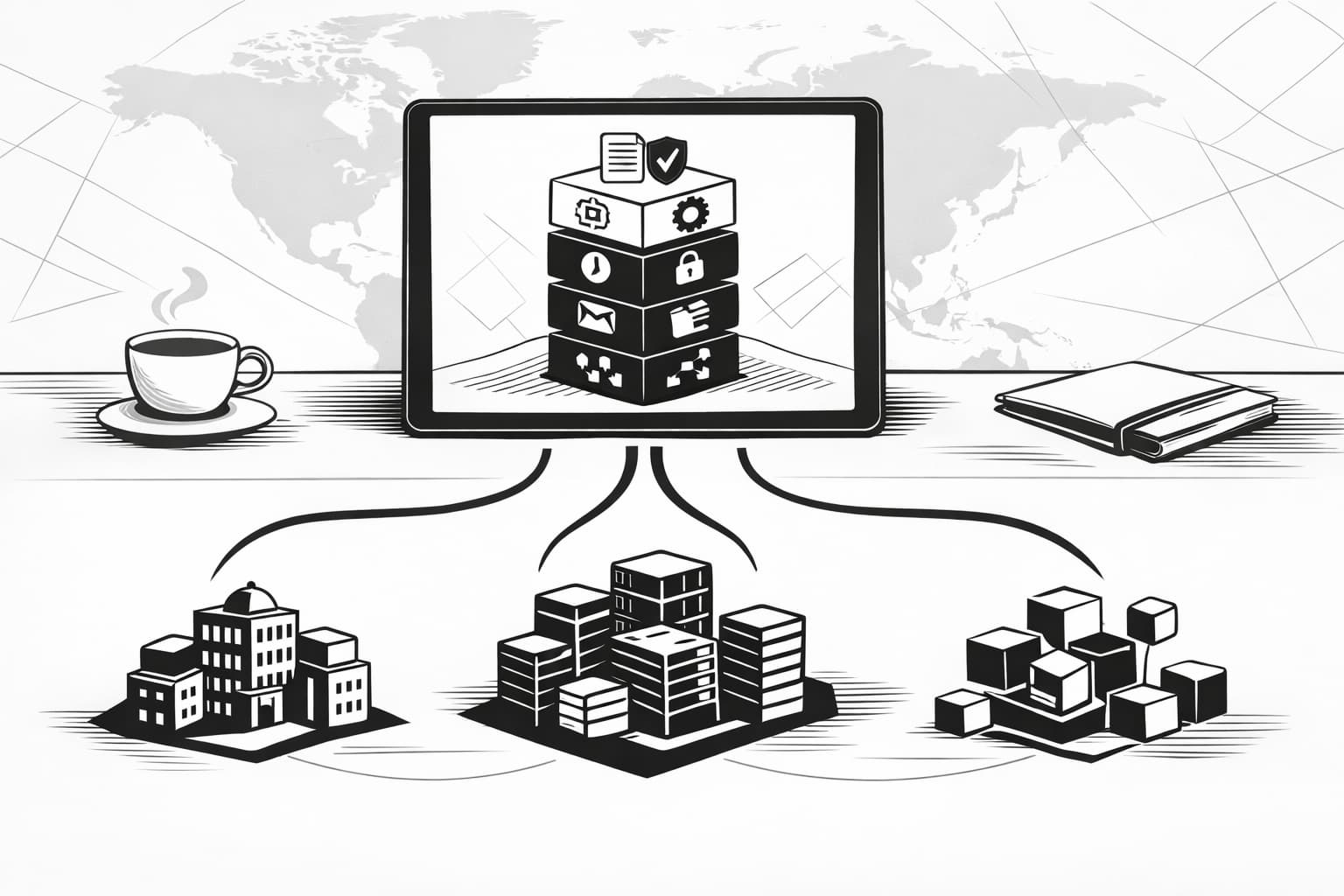
As a rule, issuers and enterprises with limited in-house crypto expertise often prefer managed delivery. Funds and fintechs with stronger technical and legal teams may want more control over issuance, wallets, and transfer rules. A pilot launch with one asset class and a narrow investor group can also be a safer way to test operations before scaling.
Questions to ask before signing with a provider
- What licenses, registrations, or regulated partners support issuance and distribution in our target markets?
- Who handles custody, and is the setup qualified, self-custodied, or hybrid?
- Which blockchain networks are supported today, and how hard is migration later?
- How are fees charged: setup, issuance, wallet, compliance checks, transfers, and secondary trading?
- What does investor onboarding include for KYC, AML, accreditation, and ongoing monitoring?
- Can transfer restrictions, whitelists, and reporting be tailored to our structure?
Frequently Asked Questions
- Which blockchain is best for tokenization?
- There is no single best blockchain for tokenization. Ethereum and other EVM chains offer deep liquidity and developer tools, Stellar and XRP Ledger emphasize low fees and efficient settlement, and permissioned networks suit regulated institutional workflows. The right choice depends on compliance needs, investor reach, asset type, and operating costs.
- Who is the leader in tokenization?
- There is no universal leader in tokenization because leadership varies by market segment. Some platforms lead in private markets, others in institutional issuance, real estate, or protocol infrastructure. Instead of focusing on one name, compare adoption, regulatory readiness, supported asset classes, and the quality of issuer and investor onboarding.
- Can XRP be used to tokenize assets?
- Yes, XRP can be used for asset tokenization through the XRP Ledger and related issuance tools. Its strengths include fast settlement, low transaction costs, and efficient transfer of tokenized assets. Still, the best network choice should also reflect compliance requirements, ecosystem support, custody options, and investor access.
- What is the RWA tokenization platform?
- An RWA tokenization platform is the software and infrastructure used to create, manage, and distribute tokenized real-world assets such as real estate, funds, debt, or commodities. These platforms typically support compliance checks, custody integration, smart contract issuance, cap table management, and secondary trading or transfer controls.
- What are the best RWA apps to invest in?
- The best RWA apps are often regulated investment platforms, broker apps, or specialized marketplaces rather than general crypto apps. Investors should compare legal protections, asset quality, fees, liquidity, minimum investment size, and whether the app is available in their jurisdiction before committing capital to any tokenized offering.
- Which RWA token is best?
- The best RWA token depends on what it represents and how it is structured. Look at the underlying asset, issuer reputation, legal rights, expected yield, redemption terms, and market liquidity. A strong token with clear fundamentals and investor protections is usually a better choice than a popular ticker alone.
Sources
Author

Crypto analyst and blockchain educator with over 8 years of experience in the digital asset space. Former fintech consultant at a major Wall Street firm turned full-time crypto journalist. Specializes in DeFi, tokenomics, and blockchain technology. His writing breaks down complex cryptocurrency concepts into actionable insights for both beginners and seasoned investors.