What Is Minting an NFT? A Step-by-Step Guide for Beginners
What Is Minting? The Simple Definition
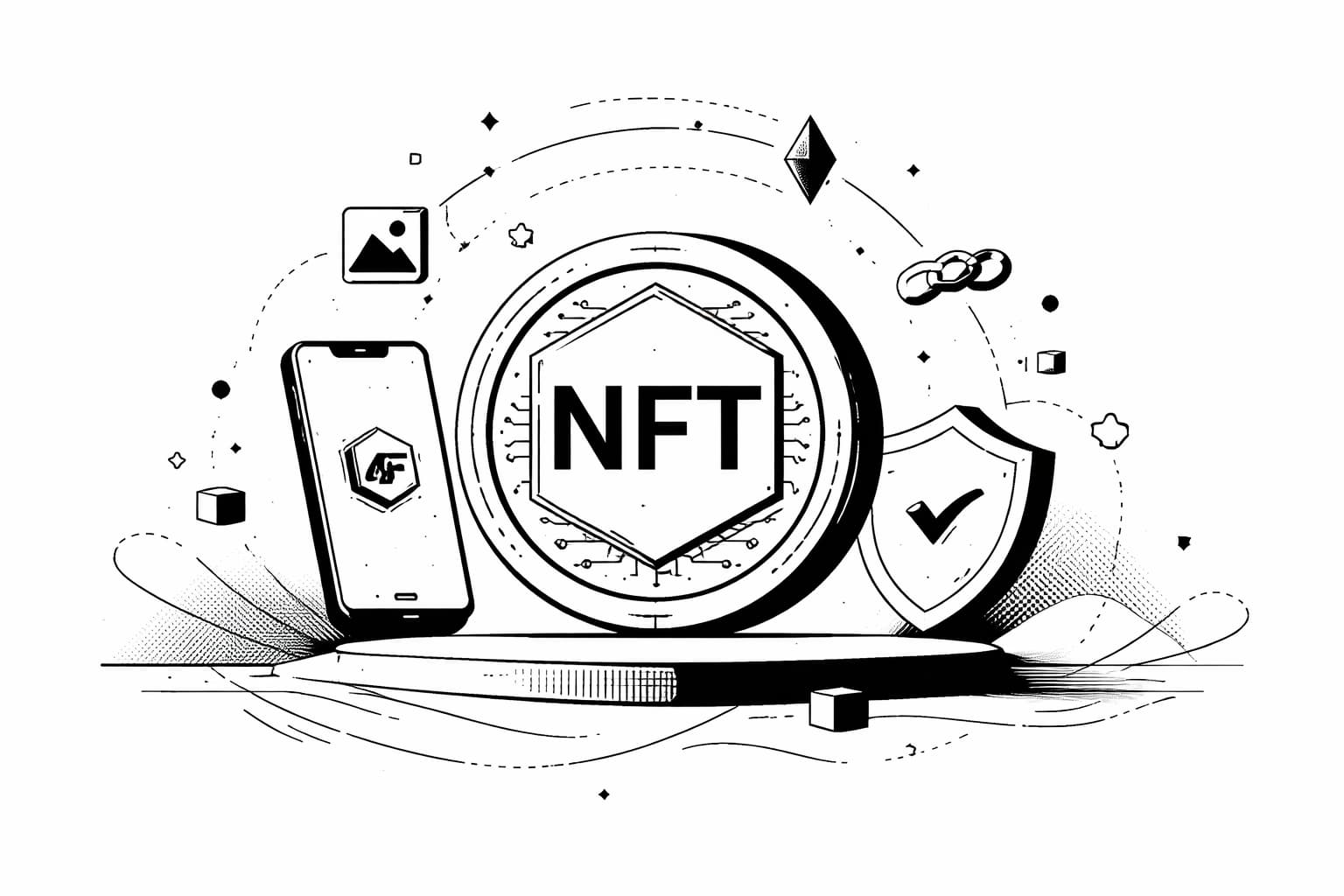
Minting an NFT is the process of converting a digital file into a unique digital asset on a blockchain, making it publicly verifiable and ready to be traded. In essence, it’s the act of creating an NFT and recording it on a distributed public ledger so its ownership can be tracked.
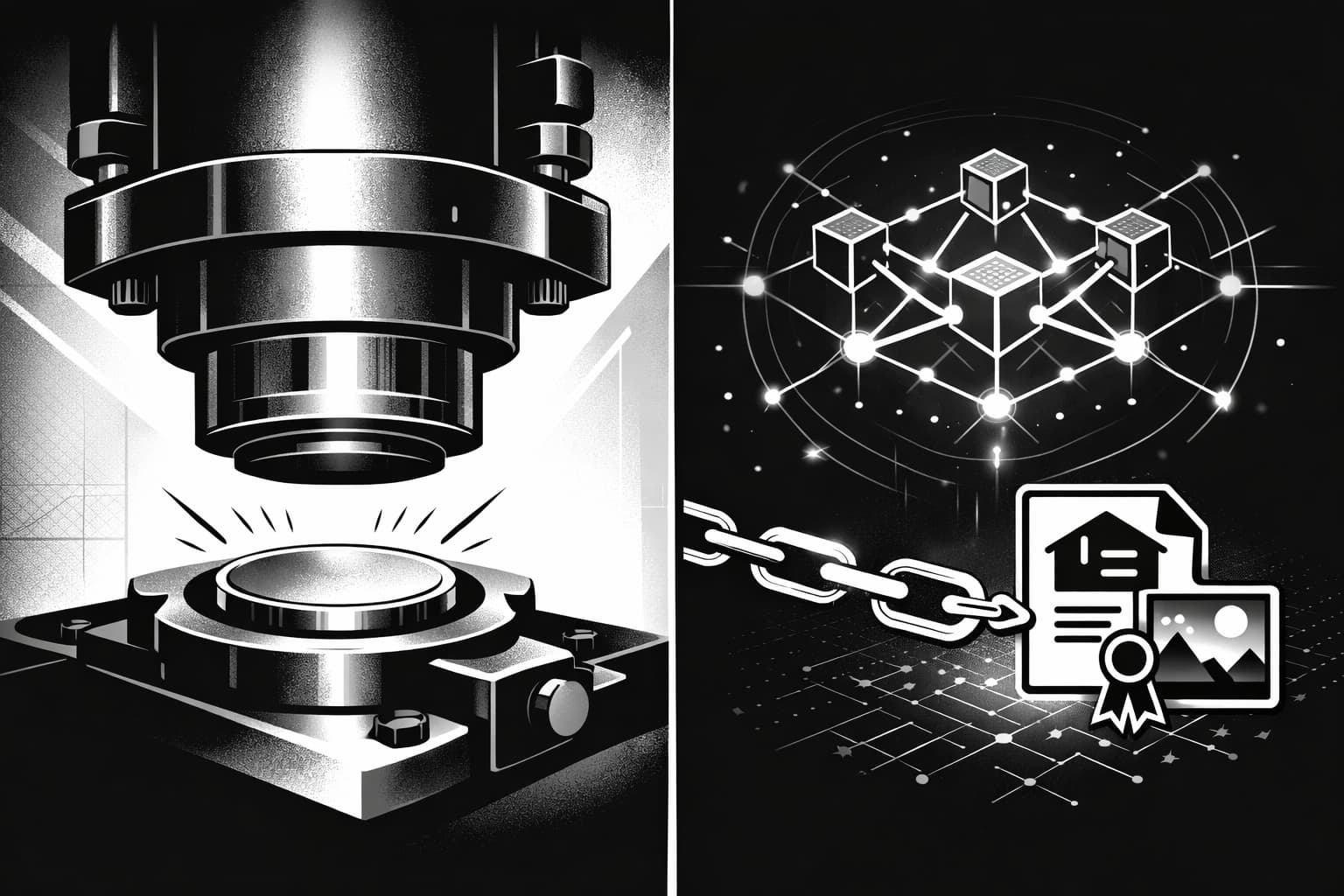
Why does this matter? Think of it like getting an official title deed for a piece of digital property. Before a file is minted, anyone can copy it. The act of minting gives that file a unique identity and establishes a permanent record of ownership. This verifiable proof is what allows digital items to be bought, sold, and collected with confidence.
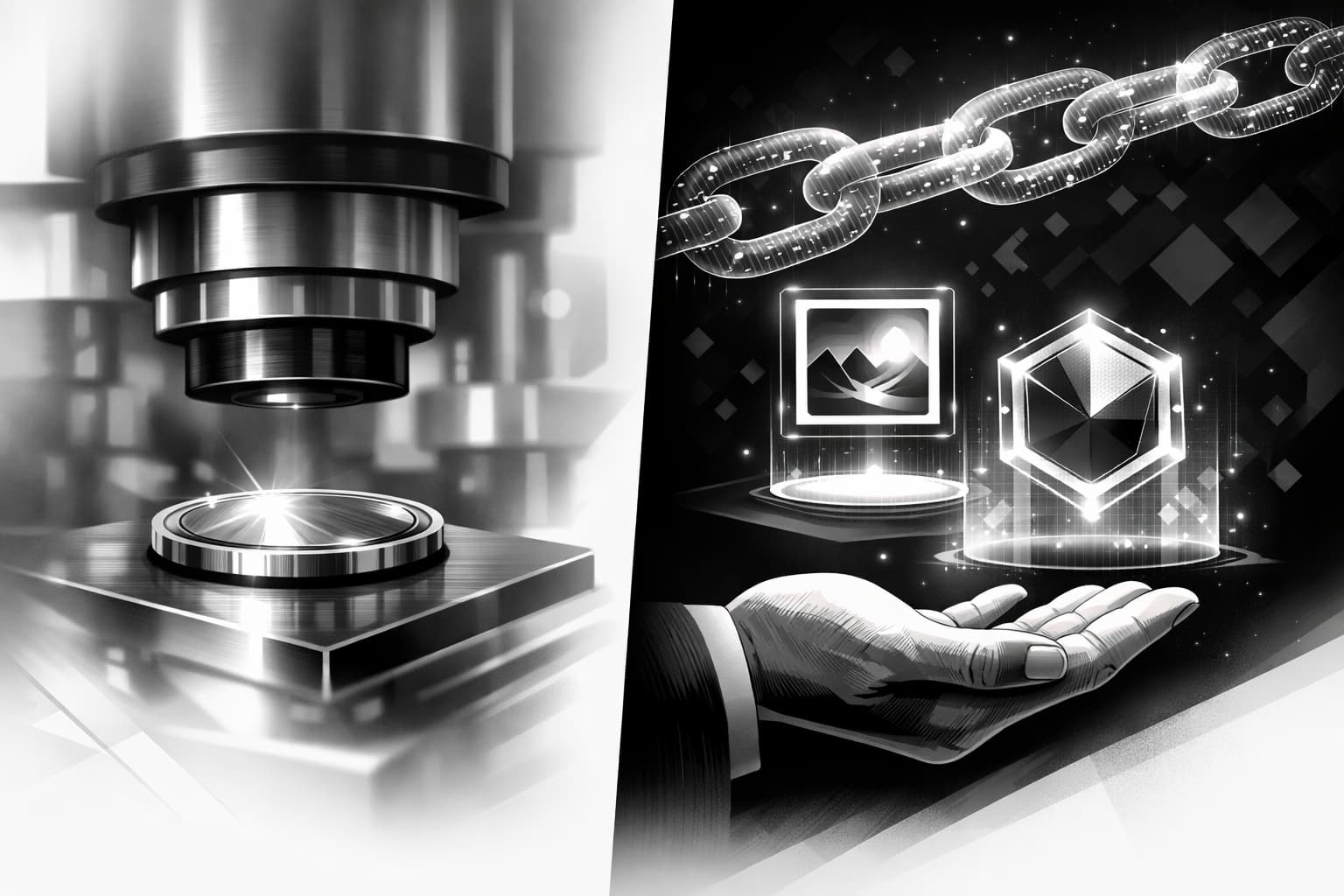
You might associate the word "minting" with the creation of physical coins, but the minting nft meaning is entirely digital. Instead of a factory stamping metal, this process uses computer code to create an entry on a blockchain. This guide will walk you through this modern, digital version of minting.
Minting NFT Meaning: From Digital File to Blockchain Asset
While the first step is having a digital file—like a piece of art, a ticket, or a song—the act of minting is what officially records it on a public ledger. This process transforms your simple file from something that can be endlessly copied into a unique, provable digital asset on a blockchain. Before minting, you have a JPG; after minting, you have a non-fungible token with a verifiable owner.
Think about it like registering the deed to a house. You have the physical property (your digital file), but your ownership isn't legally recognized until you file the deed with a public records office. In the digital world, the blockchain acts as that public records office. It’s a permanent and shared digital ledger that everyone can see but no one can change. Minting is the act of creating and recording that "deed" on the blockchain, creating an unbreakable link between your digital wallet and your new asset.
The Role of Smart Contracts in Minting
So, what serves as the official deed in this process? That’s the job of a smart contract. A smart contract is a small program that lives on the blockchain and contains all the rules for the NFT. It defines its unique properties, names the original creator, and tracks its ownership history. When you mint an NFT, you are deploying this smart contract, which writes your file’s information into the blockchain’s permanent record. This self-executing "rulebook" is central to the minting nft meaning, as it’s what gives the token its unique identity and functionality.
What You Need Before You Mint an NFT
Now that you understand the concept of transforming a digital file into a unique blockchain asset, let's gather the tools you'll need. Think of this as preparing your ingredients before you start cooking; having everything ready makes the entire process smooth and straightforward. Here’s a simple checklist of what you need to have in place.
1. A Digital Item to Mint
First, you need the actual digital creation you want to turn into an NFT. This can be a wide variety of files. Most commonly, people mint digital art (like JPEGs, PNGs, or GIFs), music tracks (MP3s), short videos (MP4s), or even a piece of writing as a PDF. The important thing is that your file is finalized and is the version you want to permanently record on the blockchain.
2. A Cryptocurrency Wallet
Next, you will need a special kind of digital wallet. A crypto wallet, such as MetaMask for Ethereum or Phantom for Solana, acts as your account and identity in the world of blockchain. This secure application holds your cryptocurrency and is also where your NFT will be stored after it’s created. You use it to connect to NFT marketplaces and to approve the transactions involved in minting.
3. Cryptocurrency for Gas Fees
Finally, you need a small amount of cryptocurrency. Every action on a blockchain, from transferring funds to creating an NFT, requires a transaction fee. This is often called a "gas fee." Think of it like a service charge or postage for using the network's computing power. To cover this cost, you must have some of the blockchain’s native currency in your wallet. For example, if you plan to mint on the Ethereum blockchain, you'll need some Ether (ETH) to pay the gas fees.
How to Mint an NFT: A Step-by-Step Guide for 2026
With your digital file prepared and your crypto wallet set up, you are ready to officially create your NFT. While the technology behind it is complex, modern platforms have made the user-facing process quite simple. Think of it less like writing code and more like publishing a blog post or listing a product on an e-commerce site. Here is exactly how it works.
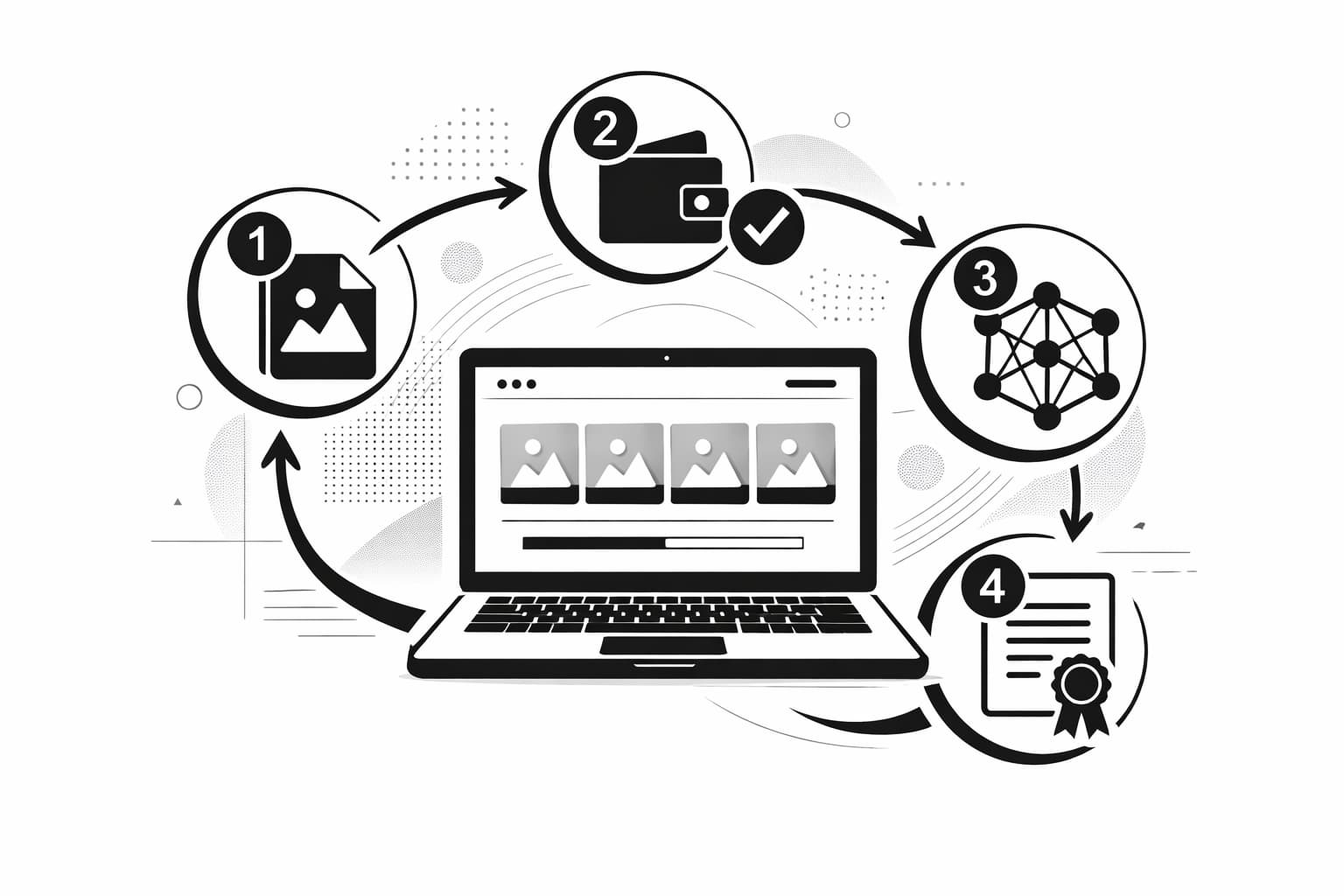
Step 1: Choose a Blockchain and NFT Marketplace
Your first decision is where your NFT will live. The blockchain is the permanent, public ledger that will record your ownership. Ethereum is the most established blockchain with the largest audience, but it can have higher transaction fees. Newer options like Solana offer faster speeds and lower costs. Your choice of blockchain often determines your marketplace. For example, OpenSea is the go-to for Ethereum, while Magic Eden is a popular hub for Solana. The process of choosing a blockchain involves balancing potential reach against minting costs.Step 2: Connect Your Crypto Wallet
NFT marketplaces don't use traditional email and password logins. Instead, you connect your crypto wallet to prove your identity and manage your assets. On the marketplace website, you'll find a "Connect Wallet" button. Clicking it will prompt your wallet (like MetaMask or Phantom) to ask for permission to connect to the site. This action simply allows the marketplace to view your public address and propose transactions for you to approve; it does not give the site control of your funds.Step 3: Upload Your Digital File and Add Details
Once connected, you’ll go to the "Create" or "Mint" page. Here, you'll upload your piece of art, music, or collectible. You will then fill out the important details that define your NFT. This includes giving it a unique name, writing a compelling description, and adding properties or traits that make it searchable and special. You can also set a royalty percentage, which ensures you receive a portion of the sale price each time your NFT is resold in the future.Step 4: Pay the Gas Fee to Finalize the Mint
This is the final step where the magic happens. After you've filled everything out and clicked "Mint," your crypto wallet will pop up one last time to confirm the transaction. This confirmation will show a final cost, known as a "gas fee." This is simply a network fee paid to the computers that validate and record your transaction on the blockchain. Once you approve this payment, the process is complete. Your file is officially registered on the blockchain as a unique, ownable token. The true minting nft meaning is realized in this final, irreversible step.
How Much Does It Cost to Mint an NFT?
After learning the steps, the next logical question is about cost. There isn’t one set price for minting an NFT; it can range from less than a dollar to hundreds. The total expense depends almost entirely on variable network fees, often called "gas fees," and the blockchain you choose to use.
Understanding Gas Fees
Think of gas fees as a transaction fee or a service charge. To add your NFT to the blockchain, a network of computers must do the work to verify and record it. Gas fees are the payment for that computer power. The price of these fees fluctuates based on how busy the network is. If many people are making transactions at once, the demand for computer power goes up, and so do the gas fees, much like how ride-sharing apps charge more during peak hours.
What is Lazy Minting?
For creators concerned about upfront costs, a popular alternative is "lazy minting." This clever method lets you list an NFT for sale without actually recording it on the blockchain first. The official minting process only happens when someone buys your creation. This means the buyer, not you, pays the gas fee at the moment of purchase. It's a fantastic way to offer your digital work without any initial investment.
Minting vs. Mining: What's the Difference?
As you explore the world of digital assets, you'll often hear the terms "minting" and "mining" used, sometimes in confusing ways. While they both relate to creating things on a blockchain, they describe very different activities. Understanding this distinction is key to grasping the real minting NFT meaning.
Mining is the foundational process of validating transactions and creating new cryptocurrency coins. Think of miners as the construction workers for a blockchain like Bitcoin. They use powerful computers to solve complex problems, and in doing so, they add a new "block" of transactions to the chain. For their work, they are rewarded with new coins.
Minting, as we've discussed, is about creating a unique token on an already existing blockchain. If mining is building the digital city, minting is registering the official title deed for a new property within it. You aren't building the city's infrastructure; you're just adding your specific, verifiable asset to the public ledger that miners help maintain.
Key Takeaways
As you've seen, understanding the minting NFT meaning is the first step to becoming a creator in the Web3 space. It's the process that brings digital art and collectibles to life on the blockchain. Let's recap the most important points.
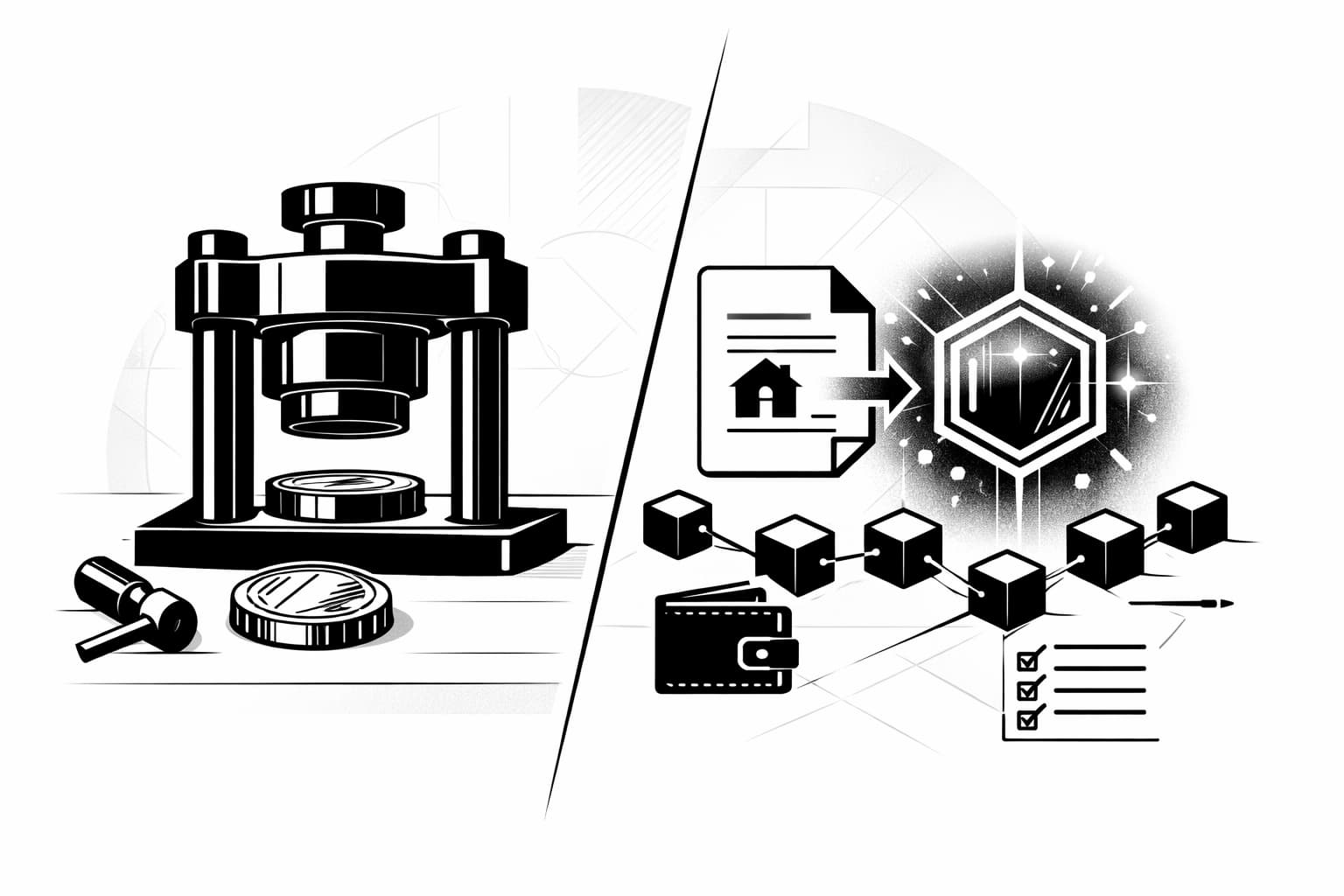
- Minting is Creation: To put it simply, what is minting? It's the act of officially publishing your unique digital item onto the blockchain, transforming it from a simple file into a verifiable asset that can be bought, sold, or traded.
- It Secures Ownership: Minting creates an immutable, public record of your item. Think of it as getting a permanent, digital title deed for your creation, proving you are the original author.
- Prerequisites are Simple: To mint an NFT, you primarily need three things: the digital item itself, a cryptocurrency wallet, and enough crypto to cover the associated "gas fees."
- Creator vs. Collector: Minting is what creators do to launch their work. Buying or collecting is what others do after an NFT has already been minted and listed on a marketplace.
Frequently Asked Questions
- What is the meaning of minting?
- Minting is the process of converting a digital file, like a piece of art or music, into a unique digital asset on a blockchain. This action officially publishes your non-fungible token (NFT) on the distributed ledger, making it a permanent and verifiable item that can be bought, sold, and traded.
- Why is it called minting?
- The term is borrowed from the process of minting physical coins. Just as a government mint creates new coins to put them into circulation, minting an NFT is the act of creating a brand-new, unique digital token on the blockchain and introducing it into the digital economy for the first time.
- Is minting an NFT worth it?
- For creators, minting can be worthwhile to prove ownership and earn potential royalties on secondary sales. However, it involves costs, known as gas fees, and there is no guarantee your NFT will sell. It's important to weigh the potential rewards against the initial investment and market volatility before you begin.
- Can I convert an NFT to real money?
- Yes, you can convert an NFT's value to cash. The process involves selling your NFT on a marketplace, typically for a cryptocurrency like Ethereum (ETH). After the sale, you can use a cryptocurrency exchange to convert the ETH into a traditional currency, like USD, and withdraw it to your bank account.
Sources
Author

Crypto analyst and blockchain educator with over 8 years of experience in the digital asset space. Former fintech consultant at a major Wall Street firm turned full-time crypto journalist. Specializes in DeFi, tokenomics, and blockchain technology. His writing breaks down complex cryptocurrency concepts into actionable insights for both beginners and seasoned investors.