NFT Gas Fees Explained: Why Ethereum Minting Costs So Much
What Are NFT Gas Fees?
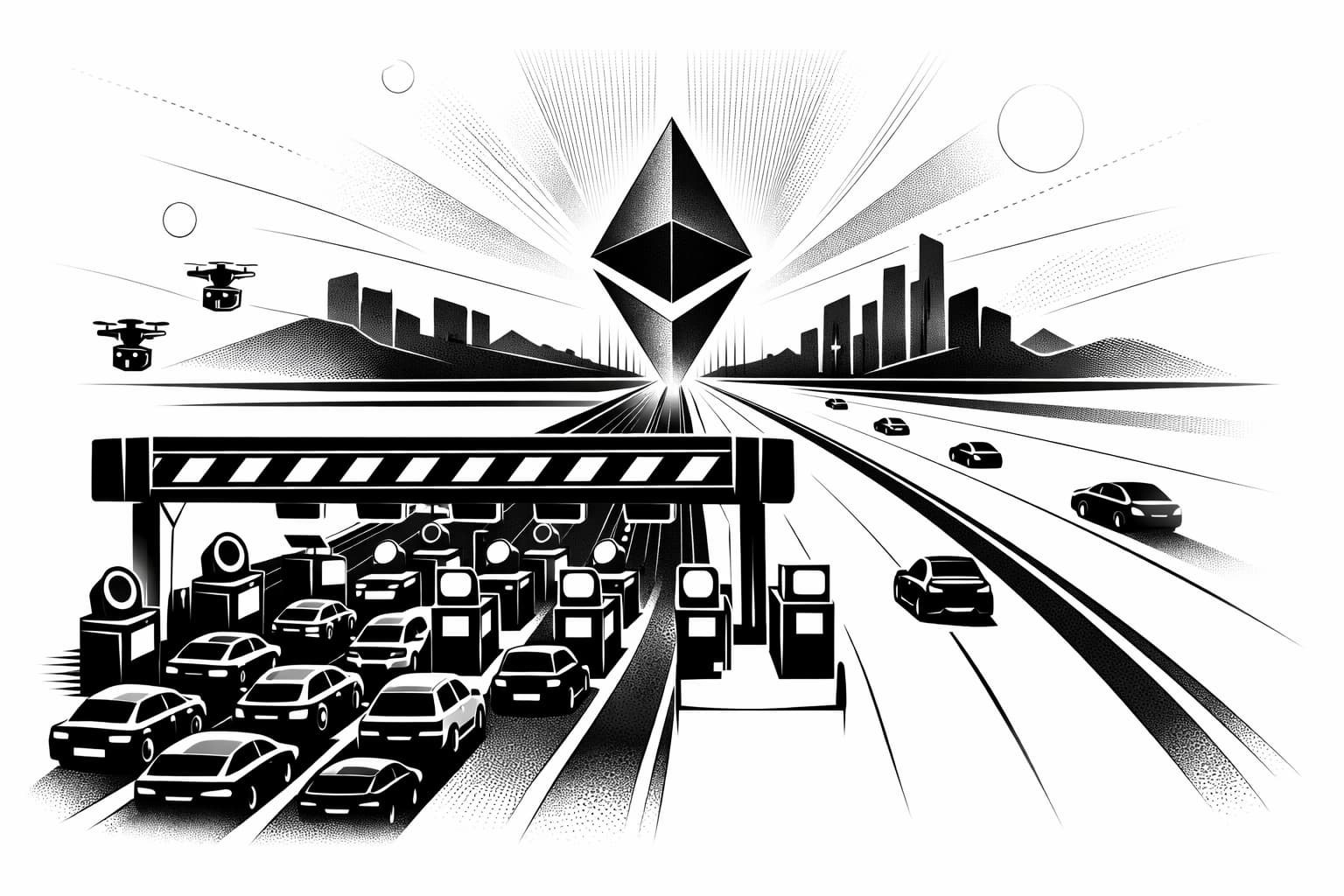
NFT gas fees are transaction costs paid to have your NFT mint, sale, or transfer processed and recorded on a blockchain like Ethereum. Think of the Ethereum network as a massive, busy digital highway. Every action you take, from buying a collectible to minting an NFT, is like sending a car onto this highway. The gas fee is the toll you pay for your car to use the road.
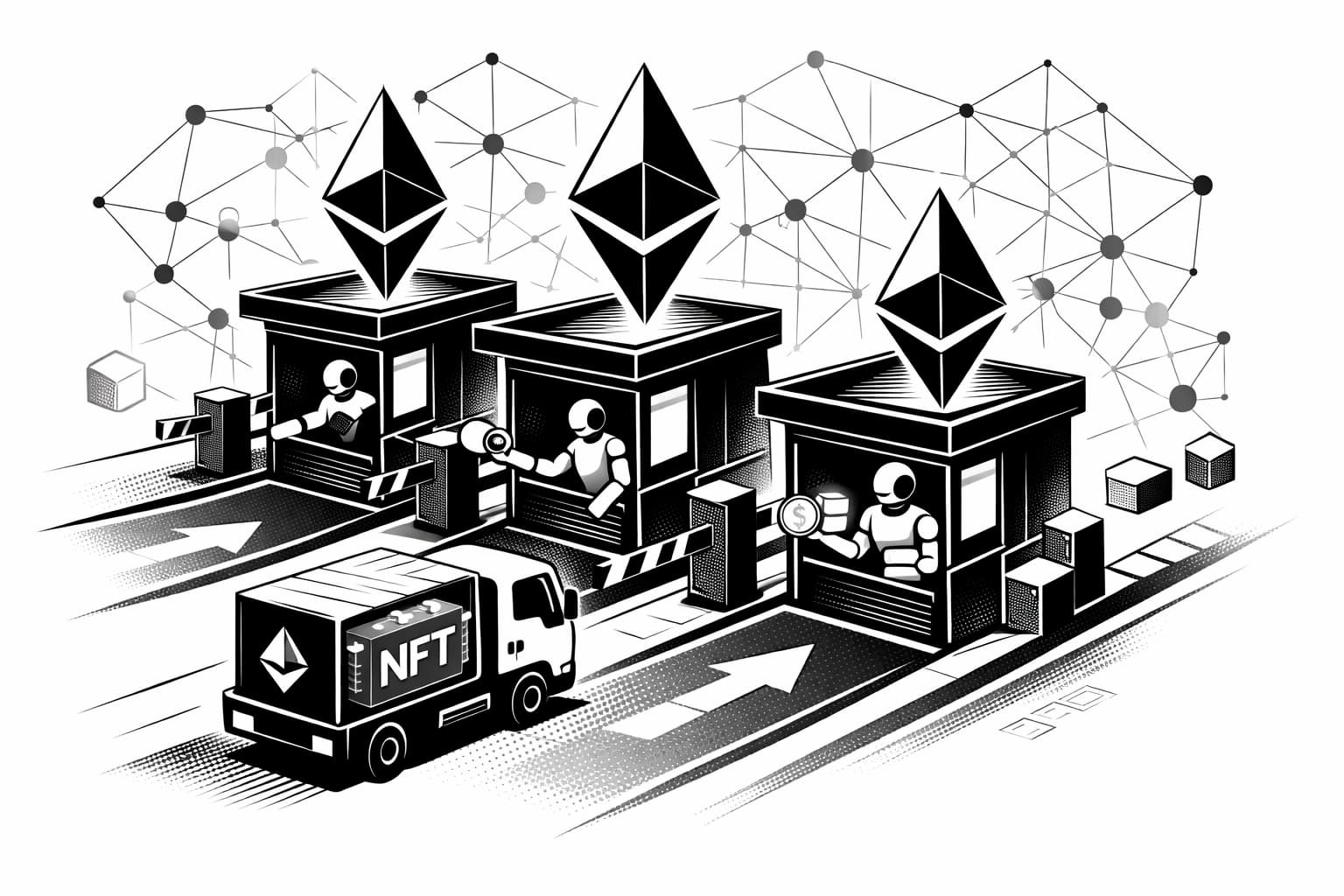
This "toll" doesn't go to the NFT artist or the marketplace where you're buying the art. Instead, it pays the network validators—the people running powerful computers that verify transactions and add them to the blockchain's public ledger. They provide the computational power, or "gas," needed to execute your request, and the fee is their compensation for doing that work and securing the network. So, the minting cost of an NFT is always a combination of the art's price and this separate network fee.
Why Gas Fees Are Essential for the Ethereum Network
So, why do these fees exist in the first place? Gas fees aren't arbitrary charges; they perform two critical functions that keep the Ethereum network secure and operational. Think of them as the necessary toll on our digital highway—they pay for maintenance and keep traffic flowing smoothly for everyone.
First, gas fees compensate the people who run the network. Ethereum isn't managed by a central company. It relies on a global network of participants called validators. Under the Proof-of-Stake system, these validators lock up their own ETH to help process and confirm transactions. Your gas fee is their reward for doing this computational work and securing the blockchain. This incentive powers every action, including determining the final minting cost nft creators and buyers face.
The second function is spam prevention. If transactions were free, the network could be easily overwhelmed by bad actors sending millions of worthless requests, causing a massive digital traffic jam. By requiring a fee for every computation, Ethereum makes such attacks financially impractical. This ensures the network remains available for legitimate users. These dual roles are fundamental to understanding why NFT gas fees are a necessary part of the ecosystem.
How NFT Gas Fees Are Calculated: A Simple Breakdown
Understanding the final price you pay for minting an NFT isn't about guesswork. It comes down to a clear formula that combines three key parts. Once you grasp this calculation, you gain a surprising amount of control over your transaction costs. The basic formula looks like this: Total Gas Fee = Gas Limit × (Base Fee + Priority Fee). Let's break down each piece of that puzzle.
Gas Limit: The Maximum Effort
Think of the Gas Limit as setting the maximum amount of fuel you're willing to let your car use for a trip. You're telling the network the absolute most you'll spend on the computational effort required for your transaction. A simple transfer of ETH might require a gas limit of 21,000 units, while a more complex action like minting an NFT could require 200,000 or more. Your transaction will only use the gas it needs, and any unused amount is returned to you. Setting it too low, however, can cause your transaction to fail while still costing you the fee.
Base Fee: The Minimum Price
The Base Fee is the minimum price per unit of gas required for your transaction to be included in a block. Imagine this as the standard, non-negotiable toll on the Ethereum highway. This fee is determined automatically by the network based on how congested it is—the busier the highway, the higher the base toll. This part of the fee is "burned," meaning it's permanently removed from circulation. Fees are measured in Gwei, which is a tiny denomination of Ether (ETH); one billion Gwei equals one ETH. So, a 30 Gwei Base Fee means you're paying 0.00000003 ETH for each unit of gas.
Priority Fee (Tip): Skipping the Line
If the Base Fee is the standard toll, the Priority Fee is the extra tip you offer to get into the express lane. This optional fee goes directly to the network validators as an incentive to prioritize your transaction over others. During a highly anticipated NFT drop, thousands of people are trying to mint at the same time. Adding a generous Priority Fee can be the difference between successfully minting your NFT and having your transaction stuck pending for hours. You have direct control over this tip, allowing you to decide how urgently you need your transaction confirmed and better predict your total minting cost nft.
Why Are Ethereum NFT Gas Fees So High in 2026?
Understanding how gas fees are calculated is one thing, but seeing them spike into hundreds of dollars is another. So, why does this happen? The high cost often comes down to two powerful forces working together: intense network demand and the complexity of the task you're performing.
First, let's revisit our highway analogy. The Ethereum network can only process a limited number of transactions in each "block," similar to a highway having a fixed number of lanes. When a highly anticipated NFT project launches, it's like the entire city trying to get on the same highway at the exact same moment for a major event. This creates a massive traffic jam. To get ahead, users begin a bidding war, offering higher "tolls" (priority fees) to get their transactions included in the next block. This intense competition for limited space is the main reason why nft gas fees can skyrocket during popular mints.
The second major factor is the complexity of minting itself. A simple transaction, like sending ETH to a friend, is like driving a small car on the highway—it's straightforward and requires little effort. Minting an NFT is far more involved. It's like driving a large truck that needs to be loaded, registered, and parked in a specific spot. Minting requires executing a smart contract, creating a brand-new token, and permanently writing its details to the blockchain. This is a computationally heavy task, so it has a higher base cost. The complexity of this operation means the base minting cost nft is naturally higher than a simple transfer, even before network congestion is factored in.
7 Smart Ways to Reduce NFT Gas Fees
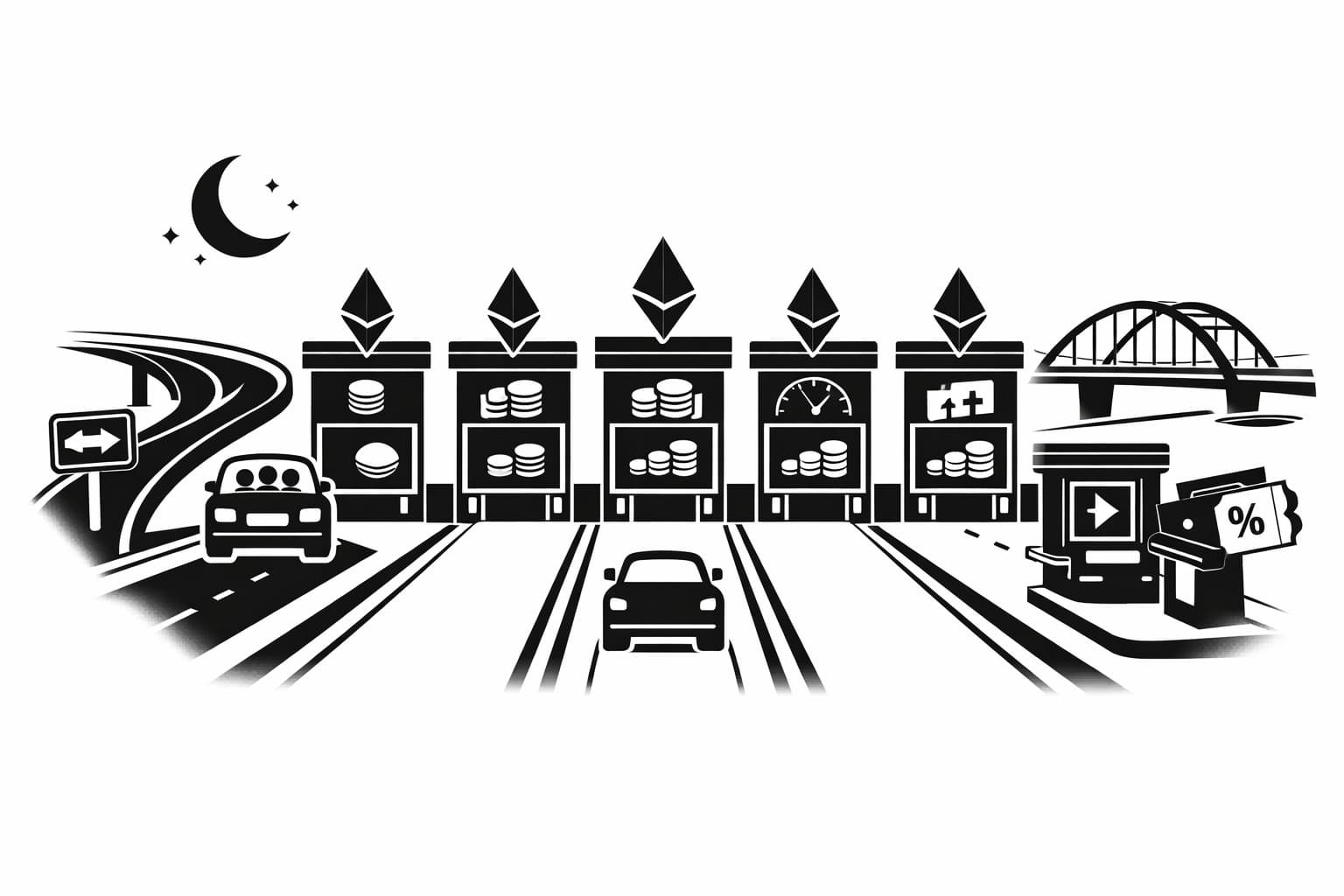
Understanding why the Ethereum highway gets congested is one thing, but navigating it without overpaying for tolls is the real challenge. While high NFT gas fees can be frustrating, you aren't powerless. With a bit of strategy, you can significantly lower your minting cost NFT. Here are seven effective methods to try.
Time Your Transactions
The Ethereum network has peak hours, just like a real highway during rush hour. Demand is often highest on weekdays when users in the Americas and Europe are most active. Try minting or transacting late at night or on weekends. With fewer cars on the road, the toll prices naturally drop.Use Layer-2 Solutions
Think of these as express toll roads built alongside the main Ethereum highway. Blockchains like Arbitrum, Optimism, and Polygon process transactions on a separate, faster chain and then bundle them up to report back to Ethereum. This process dramatically cuts down on your individual gas fee. These Layer-2 solutions offer a popular way to escape network congestion.Set a Lower Gas Fee (With Caution)
Most wallets allow you to manually edit the gas fee you're willing to pay. You can set a lower "max fee" to try and save money. However, be careful. If you set it too low, validators will prioritize transactions that pay more, and yours could get stuck or fail completely. You might lose the fee you paid without the transaction going through.Look for 'Gasless' or Lazy Minting Options
Some NFT marketplaces, like OpenSea, offer a feature called lazy minting. This allows you to create an NFT without immediately writing it to the blockchain. The NFT is only officially minted—and the gas fee paid—when someone buys it. The cost is passed on to the first buyer, making it free for creators to list their work.Use Gas Fee Calculators and Trackers
Don't guess when the network is quiet. Use tools like Etherscan's Gas Tracker or other dedicated websites and browser extensions. These act like traffic apps for Ethereum, showing you the current average gas prices in real time so you can mint when the cost is lowest.Batch Your Transactions
If you need to perform several actions, like minting multiple NFTs, see if you can group them into a single transaction. Instead of paying the toll for several separate trips, you're paying it just once for a larger vehicle. Not all platforms support this, but it's a powerful way to save when available.Choose a Different Blockchain
While Ethereum is the most popular highway for NFTs, it isn't the only one. Other blockchains have emerged with different designs that result in much lower transaction fees, a topic we will explore next.
How Do Gas Fees Differ on Other Blockchains?
While Ethereum remains the most popular highway for NFTs, its high tolls have led many to explore other routes. It's helpful to know that the high nft gas fees you see on Ethereum are not standard across the entire crypto world. Many other blockchains were built specifically to offer faster speeds and lower costs.
Blockchains like Solana, Polygon, and Tezos are prime examples. Think of them as newer, wider superhighways built right next to Ethereum's busy main road. They use different engineering methods—what we call consensus mechanisms—that allow them to process thousands of transactions per second, not just a handful. This incredible efficiency means there's rarely a traffic jam. As a result, the toll, or gas fee, for minting or trading an NFT is often just a few cents, making the minting cost nft creators face significantly lower and more predictable.
Did the Ethereum Merge Lower Gas Fees? A 2026 Update
It's a common question we still hear in 2026: Didn't the big Ethereum "Merge" in 2022 fix the high nft gas fees? The short answer is no, because that was never its primary goal. The Merge was a massive technical upgrade that switched Ethereum to a more energy-efficient and secure system called Proof-of-Stake.
Using our highway analogy, the Merge was like swapping the network's gas-guzzling engine for a hyper-efficient electric one. The car became much greener, but the size of the highway itself didn't change. Real solutions for lowering the minting cost nft projects are found in Layer-2 scaling solutions and future network upgrades specifically designed to increase transaction throughput.
Key Takeaways on NFT Gas Fees
Understanding the world of NFTs can feel complex, but understanding the costs involved is the first step toward making smarter decisions. As we've explored, gas fees are a fundamental part of the Ethereum network. Here’s a quick summary of what you need to remember:
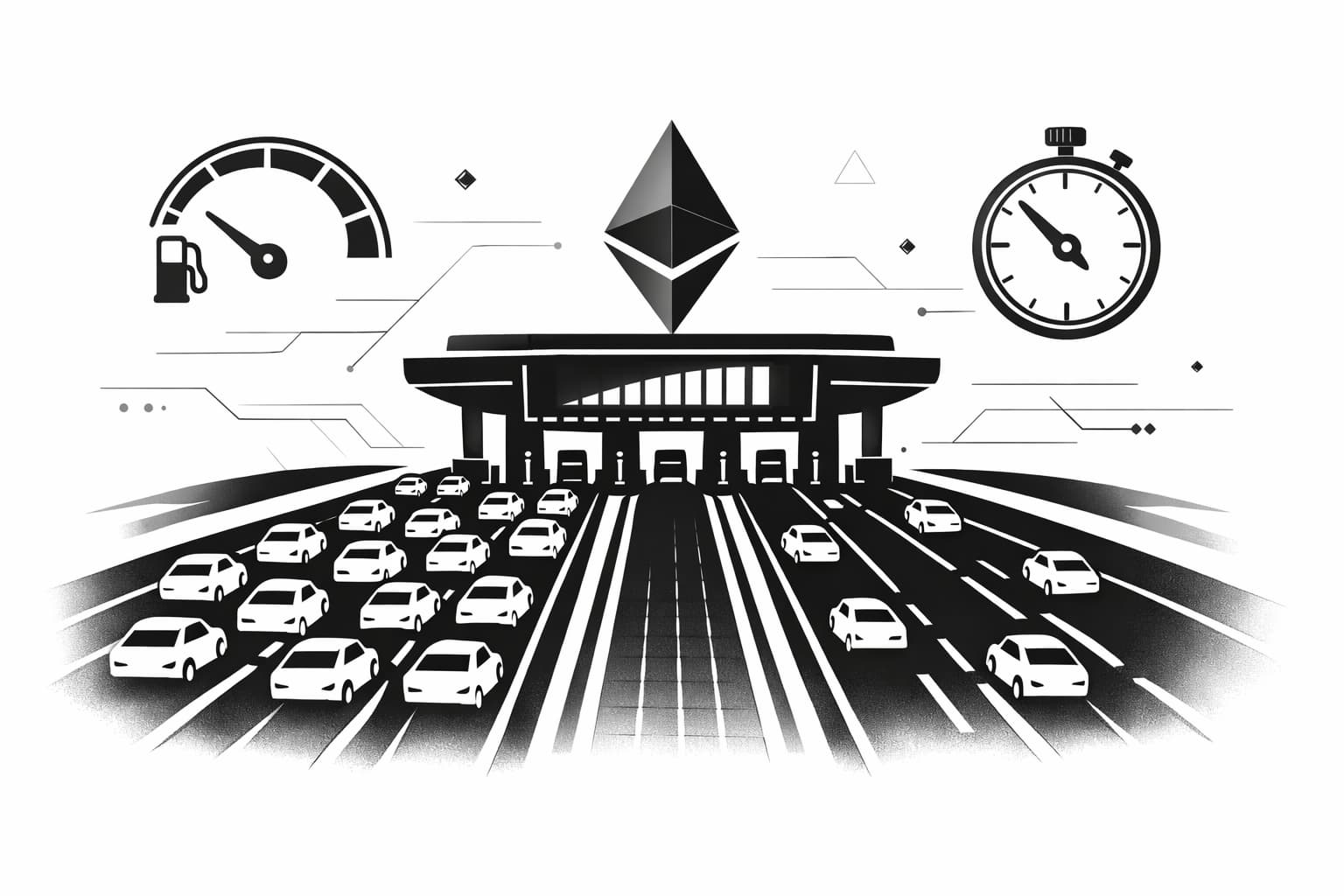
- Gas is the Toll: Think of NFT gas fees as the toll paid to use the Ethereum blockchain. This fee compensates the network validators who process and secure your transaction.
- Demand Drives the Price: The cost fluctuates based on network traffic. When many people are trying to mint, buy, or sell at the same time, the competition for block space drives prices up.
- Complexity Increases Cost: The high minting cost for an NFT is because creating a new token is a more complex operation than a simple transfer, requiring more computational power and a higher fee.
- Timing and Tech Can Save You Money: You can often reduce fees by transacting during off-peak hours or by using Layer 2 solutions, which operate on top of Ethereum to offer faster, cheaper transactions.
Frequently Asked Questions
- How much is the gas fee for an NFT?
- There's no fixed cost for an NFT gas fee. It changes constantly based on Ethereum network congestion, transaction complexity, and even the time of day. You might pay anywhere from $5 to over $100. Using an online gas tracker is the best way to see current prices before you mint.
- Can I sell an NFT without a gas fee?
- Yes, through a method called "lazy minting" on marketplaces like OpenSea. This technique creates the NFT off-chain and only writes it to the blockchain when the first sale happens. This means the initial gas fee for minting is paid by the buyer, not the creator, at the time of purchase.
Sources
Author

Crypto analyst and blockchain educator with over 8 years of experience in the digital asset space. Former fintech consultant at a major Wall Street firm turned full-time crypto journalist. Specializes in DeFi, tokenomics, and blockchain technology. His writing breaks down complex cryptocurrency concepts into actionable insights for both beginners and seasoned investors.