Polygon Stablecoins: A Guide to the Layer 2 Ecosystem (2026)

What Are Polygon Stablecoins? A Simple Definition
Polygon stablecoins are price-stable digital currencies that operate on the fast and low-cost Polygon network. They provide a dependable way to use blockchain applications without the extreme price volatility common to other cryptocurrencies. Imagine regular stablecoins as digital tokens pegged to a real-world asset, like the U.S. dollar, to maintain a consistent value. By running on Polygon—a Layer 2 scaling solution for Ethereum—these digital dollars become incredibly efficient, cheap, and fast to transact with.
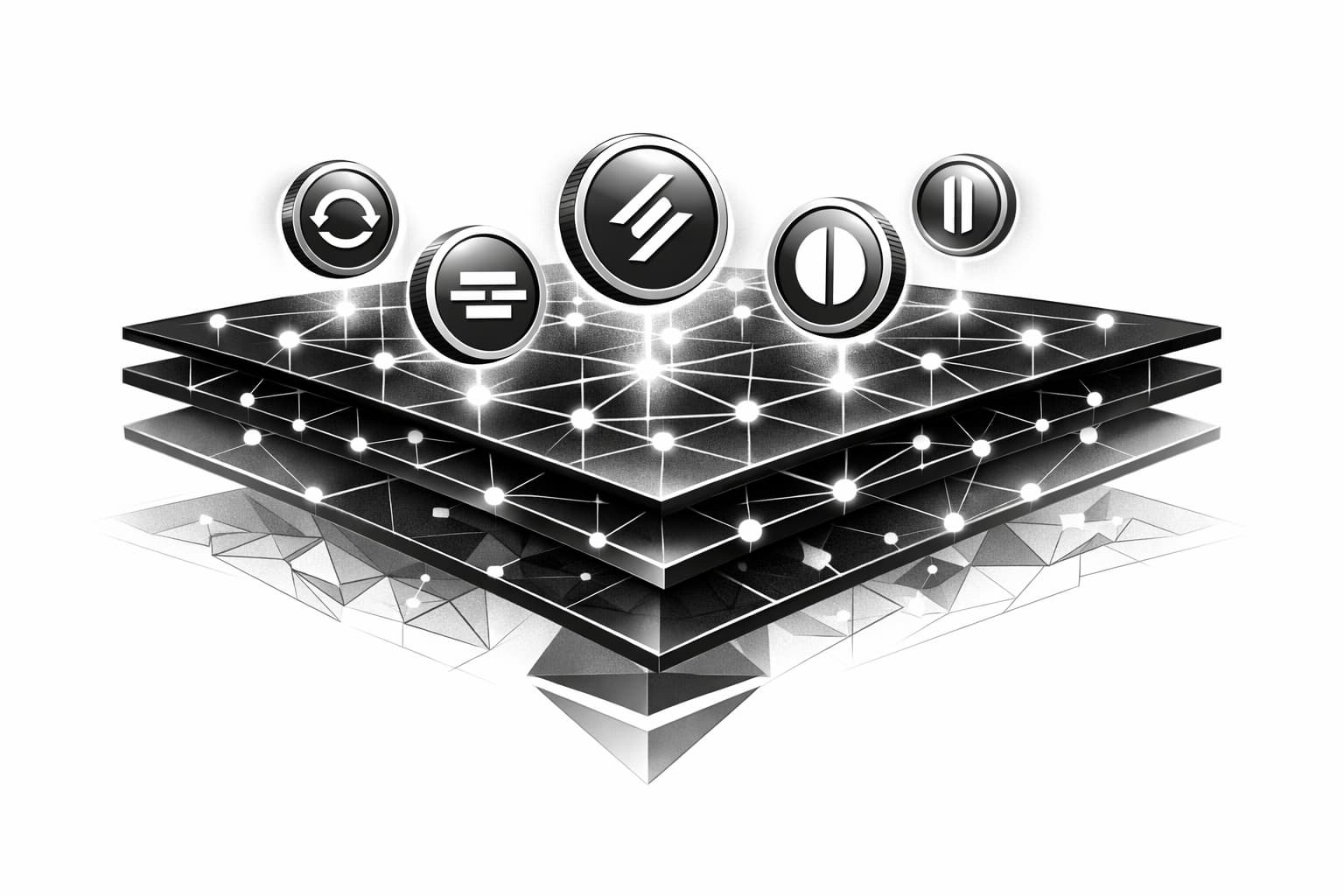
This matters because it unlocks the practical, everyday use of crypto. High transaction fees and slow confirmation times on Ethereum can make simple payments or trades expensive and frustrating. A polygon stablecoin sidesteps these issues, making it ideal for everything from DeFi trading and lending to online payments and gaming rewards. You get the stability of the dollar combined with the speed and affordability of a next-generation network, creating a much more predictable financial tool.
Why Use Stablecoins on a Layer 2 like Polygon?
While stablecoins exist on many blockchains, their practical usefulness often comes down to the network they live on. Using a stablecoin directly on the Ethereum mainnet can feel like driving on a congested city highway during rush hour—every move is slow and comes with a hefty toll. Polygon acts as a high-speed express lane built right alongside that highway. It allows you to complete the same transactions, but with incredible speed and for a fraction of the cost, making stablecoins truly usable for everyday activities.
Speed and Cost Efficiency
The most immediate advantage of using a polygon stablecoin is the dramatic reduction in transaction costs and confirmation times. On Ethereum, a simple transfer of a stablecoin like USDC might cost you anywhere from a few dollars to much more during periods of high network activity. That same transaction on Polygon typically costs a fraction of a cent and is confirmed in just a few seconds. This difference makes a world of difference. It opens the door to microtransactions, frequent trading, and other activities that would be financially impractical on the mainnet.
Ecosystem and dApp Integration
This efficiency has attracted a massive and growing ecosystem of developers and users to Polygon. As a result, hundreds of decentralized applications (dApps) across decentralized finance (DeFi), gaming, and NFT marketplaces have integrated polygon stablecoins as their core medium of exchange. This means you can use your stablecoins to lend, borrow, trade, purchase digital art, or participate in play-to-earn games easily and without worrying about prohibitive fees. Your stablecoins aren't just sitting in a wallet; they are the fuel for a vibrant digital economy.
The Top Stablecoins on the Polygon Network in 2026
The most popular stablecoins on the Polygon network include USD Coin (USDC), Tether (USDT), and Dai (DAI), each serving a distinct purpose within the ecosystem. While many stablecoins are available on Polygon, these key players represent the overwhelming majority of activity, offering users different approaches to stability, trust, and decentralization.
USD Coin (USDC)
Think of USD Coin (USDC) as a digital dollar with a strong reputation for safety. Issued by the U.S.-based company Circle, each USDC is backed by one dollar held in reserve accounts, which are regularly audited. This fully-reserved and regulated model makes it a cornerstone of trust in the Polygon DeFi space. For many users and applications, USDC is the default choice for lending, borrowing, and earning yield because of its transparency. Its role as a reliable and compliant asset has cemented its position as a leading polygon stablecoin.
Tether (USDT)
If USDC is known for its regulatory compliance, Tether (USDT) is famous for its immense liquidity. As the largest stablecoin by market capitalization across all blockchains, USDT is a powerhouse for trading. On Polygon, its main function is to facilitate quick and efficient swaps between different cryptocurrencies on both centralized and decentralized exchanges. For active traders, the high volume of USDT means they can execute large trades with minimal impact on the price, making it an essential tool for navigating the markets.
Dai (DAI)
Dai stands apart from the others because it is decentralized. Instead of being issued by a company, Dai is created by a global community through the MakerDAO protocol. It maintains its peg to the dollar by being backed by a diverse basket of crypto assets locked in smart contracts as collateral. This design makes it more censorship-resistant and aligns with the core ethos of DeFi. Users who prioritize decentralization and want to avoid relying on a central entity often prefer DAI for their on-chain activities.
Other Notable Polygon Stablecoins
Beyond the big three, the Polygon stablecoin ecosystem is home to other interesting projects. Stablecoins like TrueUSD (TUSD) provide another audited, fiat-backed option, while newer models like Frax (FRAX) blend collateralization with algorithms to maintain stability. These alternatives provide healthy competition and give users a wider array of choices, contributing to a more dynamic and resilient financial system on Polygon.
Key Use Cases for Polygon Stablecoins
Now that we understand why Polygon is such an efficient platform for stablecoins, let's explore what you can actually do with them. Their stability and the network's low transaction costs unlock a variety of practical applications, moving them from a simple store of value to a dynamic tool for digital finance and commerce.
Decentralized Finance (DeFi)
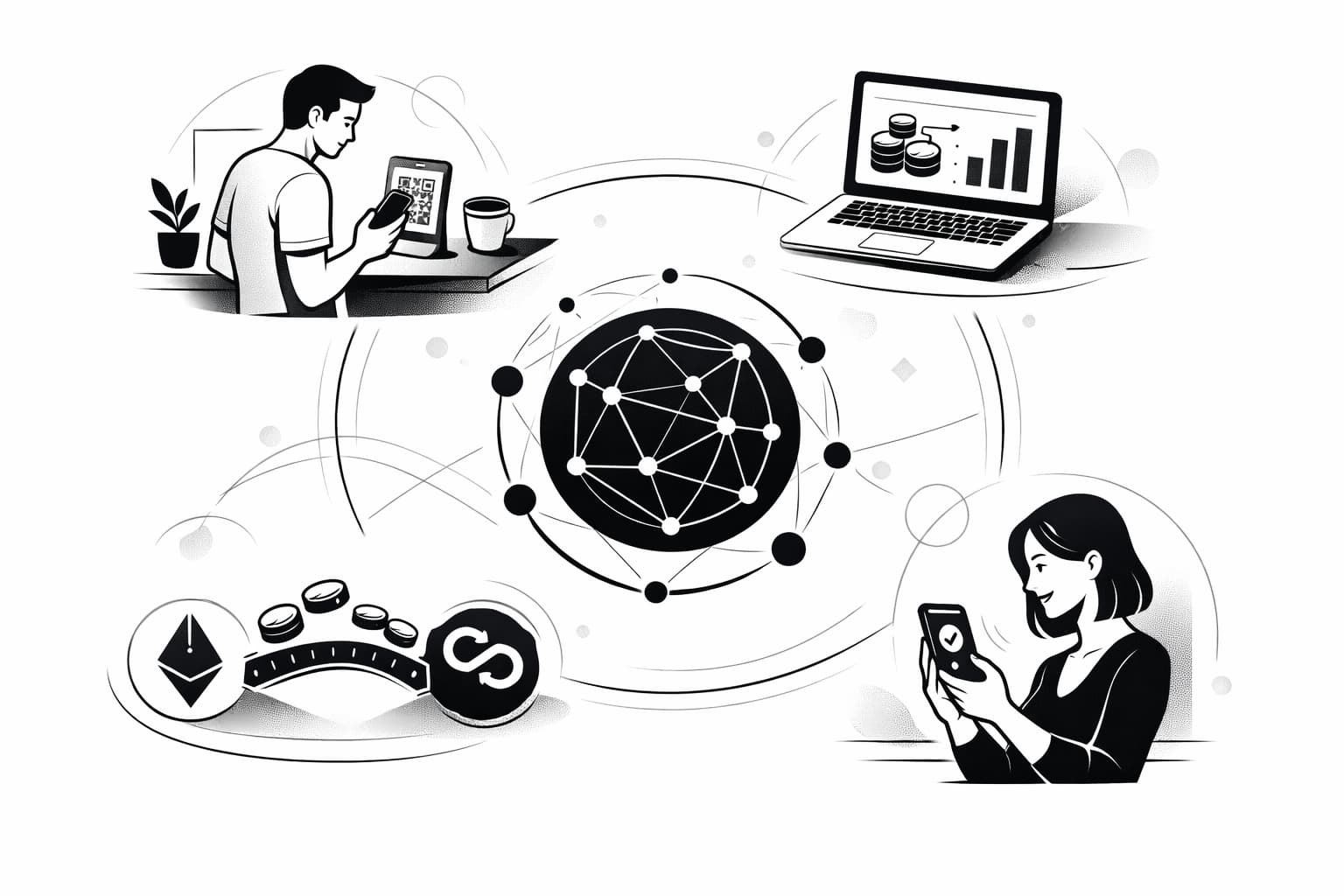
In the world of DeFi, stablecoins are the bedrock. On Polygon, protocols like Aave and Uniswap thrive on them. You can deposit a polygon stablecoin into a lending protocol to earn interest, acting much like a savings account. Alternatively, you can use other crypto assets as collateral to borrow stablecoins. They are also fundamental for providing liquidity to decentralized exchanges and engaging in activities like yield farming, where users earn rewards for contributing to the ecosystem's financial operations.
Payments and Remittances
The low fees and high speed of the Polygon network make stablecoins ideal for everyday transactions. This is where the difference from more expensive networks becomes clear. Sending a few dollars to a friend, paying a freelancer across the world, or processing micropayments for online content becomes not just possible, but practical. This efficiency revolutionizes remittances, allowing for near-instant cross-border transfers that bypass the slow and costly traditional banking system.
Gaming and NFTs
For the vibrant worlds of blockchain gaming and NFT marketplaces, volatility can be a major hurdle. A polygon stablecoin provides a predictable medium of exchange. Players can buy, sell, and trade in-game items or digital collectibles without worrying about the underlying currency's price fluctuating wildly overnight. This creates a more stable and user-friendly economy within these digital environments.
Real-World Asset (RWA) Tokenization
An exciting and growing field is the tokenization of real-world assets, where things like real estate or private equity are represented on the blockchain. In this system, stablecoins serve as the primary settlement layer. When a token representing a share of a building is sold, the transaction is often settled using a stablecoin, providing a reliable and efficient digital dollar to complete the exchange. This is a key part of the ongoing developments in Real-World Asset (RWA) Tokenization.
How to Get and Use Stablecoins on Polygon: A Step-by-Step Guide
Now that you understand the benefits of using a polygon stablecoin, let's walk through how to actually get some and put them to work. The process might seem technical, but it is quite straightforward once you break it down into a few simple steps.
Step 1: Set Up a Polygon-Compatible Wallet
Your first stop is a digital wallet that can interact with the Polygon network. While popular wallets like MetaMask support Polygon, you often need to add it manually. This involves going into the wallet's settings and adding a new network with specific details like the RPC URL. You can easily find these official details on the Polygon Technology website. Think of this as adding a new channel to your TV; it allows your wallet to "see" and interact with everything happening on Polygon.
Step 2: Acquiring Stablecoins
Once your wallet is ready, you have two main paths to get polygon stablecoins. The simplest method is often through a centralized exchange that supports direct withdrawals to the Polygon network. You can buy a stablecoin like USDC on the exchange and send it straight to your Polygon wallet address. Alternatively, if you already hold stablecoins on another network like Ethereum, you can use a "bridge." The official Polygon PoS Bridge lets you securely transfer your assets from Ethereum to Polygon, converting them for use in the Layer 2 ecosystem.
Step 3: Using Your Stablecoins in dApps
With stablecoins in your Polygon wallet, you can now explore decentralized applications (dApps). To interact with one, you'll visit its website and click a "Connect Wallet" button. After approving the connection, you can start using your funds. For example, to lend your USDC on a platform, you'll first be asked to sign an "approval" transaction. This gives the dApp permission to access your USDC. After that, you'll sign a second transaction to confirm the deposit. This two-step process is a standard security measure across DeFi.
The Future of the Polygon Stablecoin Ecosystem
The road ahead for the polygon stablecoin ecosystem is dynamic and full of innovation. The most significant development is Polygon 2.0, a fundamental redesign that will transform the network into an interconnected web of ZK-powered chains. This upgrade also introduces the POL token, which will secure and coordinate this expanding ecosystem. What does this mean for stablecoins? The integration of Zero-Knowledge (ZK) technology is a game-changer. It offers a path to not only massive scaling but also enhanced privacy, allowing for confidential transactions. Imagine sending or receiving stablecoins without broadcasting the amounts to the entire world. This new architecture will also dramatically improve cross-chain interoperability, making it easy to move assets across the growing Polygon network and beyond. Your favorite polygon stablecoins will become even more useful and versatile in the years to come.
Key Takeaways
- Polygon stablecoins combine the price stability of assets like the US dollar with the high speed and low fees of the Polygon network.
- They are essential for everyday applications in DeFi, such as lending and trading, as well as for fast, affordable global payments.
- Acquiring a polygon stablecoin is simple, typically done by bridging from Ethereum or purchasing directly on a Polygon-supported exchange.
- The ecosystem is constantly evolving, with new native stablecoins and new uses making Polygon an increasingly attractive platform for stable assets.
Frequently Asked Questions
- Does Polygon have a stablecoin?
- No, Polygon does not have its own native stablecoin. The ecosystem thrives by supporting a wide range of popular stablecoins from other issuers. Major assets like Circle's USDC and Tether's USDT operate on Polygon, allowing users to benefit from the network's low transaction costs and high-speed processing capabilities.
- What are the top 3 stablecoins on Polygon?
- On Polygon, the most dominant stablecoins are USDC (USD Coin), USDT (Tether), and DAI. USDC is a favorite within the DeFi space due to its strong backing and transparency. USDT provides immense liquidity for traders and exchanges, while DAI is popular for its decentralized, crypto-backed model, offering a distinct alternative.
Sources
Author

Crypto analyst and blockchain educator with over 8 years of experience in the digital asset space. Former fintech consultant at a major Wall Street firm turned full-time crypto journalist. Specializes in DeFi, tokenomics, and blockchain technology. His writing breaks down complex cryptocurrency concepts into actionable insights for both beginners and seasoned investors.