Linea Blockchain: What It Is and How It Works (2026 Guide)
What Is the Linea Blockchain?
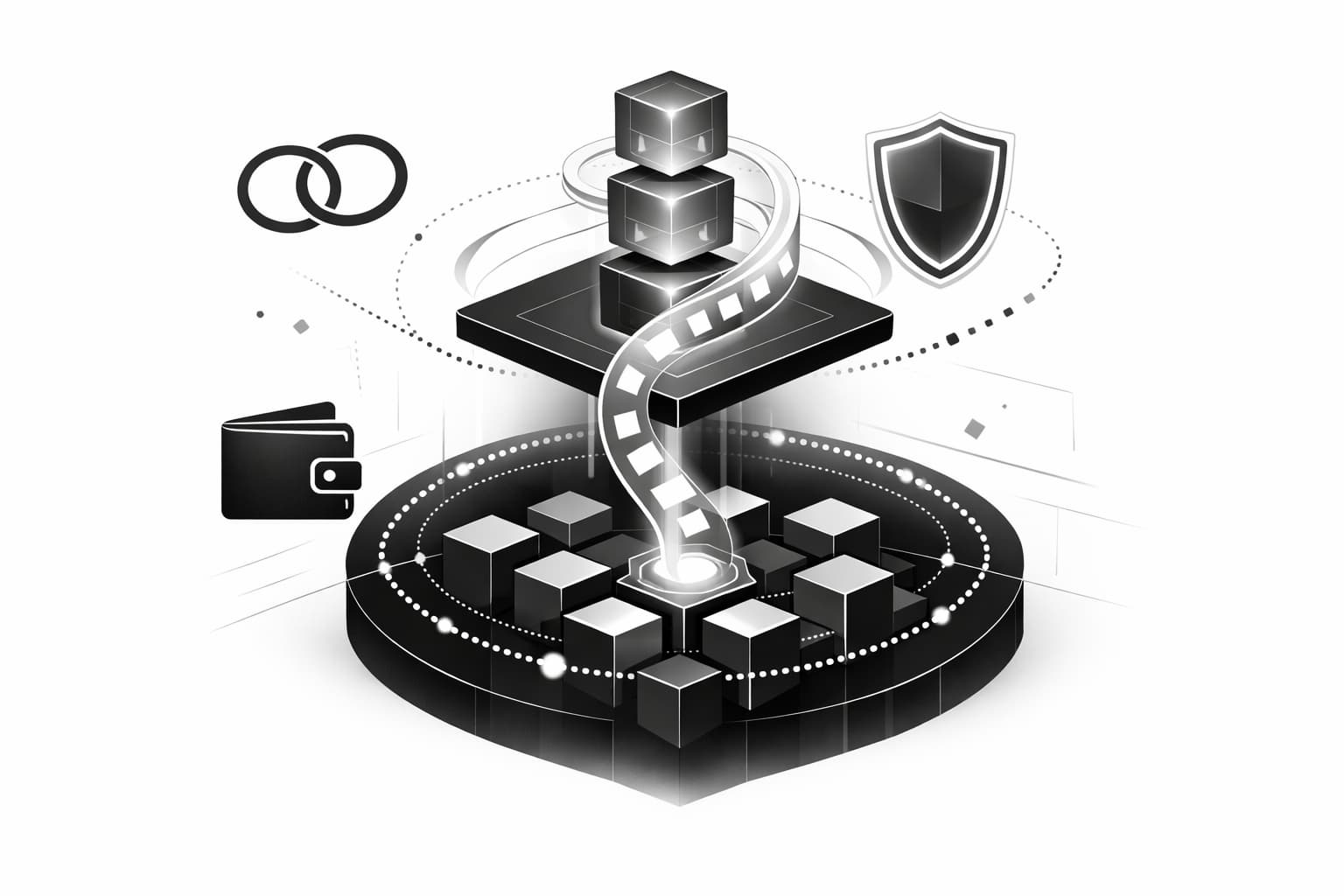
The Linea blockchain is a Layer 2 network designed to make using Ethereum faster and less expensive. It works as a specific type of scaling solution called a zk-rollup, which bundles many transactions together off of Ethereum's main network and then uses clever cryptography to prove they are valid without re-processing each one individually. This system dramatically lowers transaction fees and confirmation times for users.
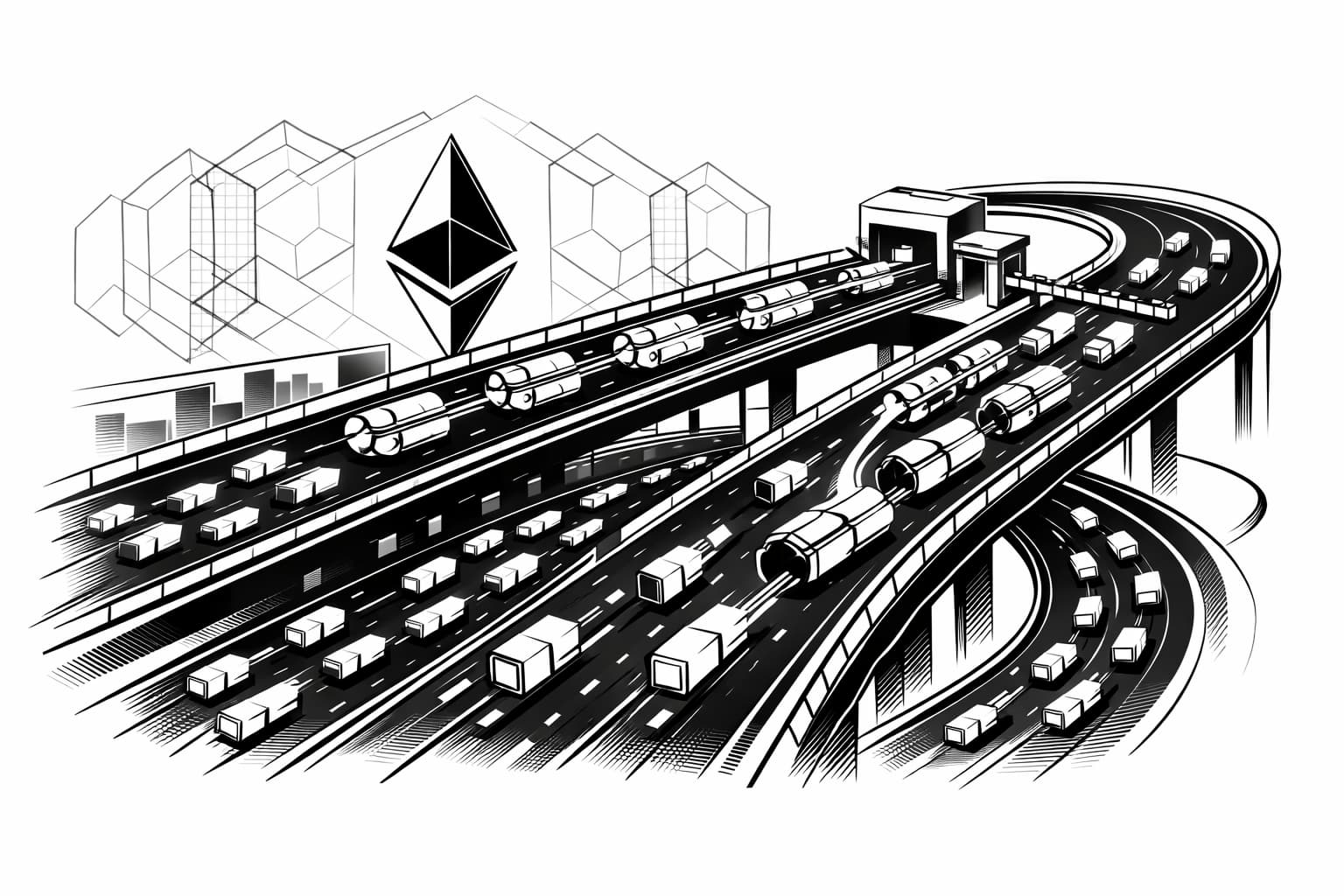
So, why does this matter? Imagine Ethereum is a bustling city highway with constant traffic jams. These jams slow everything down and make the tolls (known as gas fees) very expensive. Linea acts like a newly built express lane. It takes a large batch of cars—or transactions—off the main highway, processes them quickly in its own dedicated lane, and then efficiently merges a summary of that traffic back onto the main road. You get all the benefits of reaching your destination on the secure Ethereum network, but you get to skip the frustrating gridlock.
A Brief History: The ConsenSys Connection
To understand Linea's significance, it helps to know who built it. The project was developed by ConsenSys, one of the most established and influential software companies in the Ethereum ecosystem. If you've ever used the popular MetaMask wallet to explore Web3 applications, you've used a ConsenSys product. This deep connection to Ethereum's infrastructure gives the Linea blockchain a foundation of world-class expertise and a direct line to the needs of millions of crypto users.
How Linea Works: The Power of zkEVM Technology
To understand how the Linea blockchain achieves its impressive speed and low costs, we first need to talk about "rollups." Think of the main Ethereum network as a busy highway with only one lane. During rush hour, it gets incredibly congested and expensive (high gas fees). A rollup acts like a high-capacity carpool service. It takes a large batch of transactions, processes them on a separate, faster side-road, and then presents a single, neat summary of the results back to the main Ethereum highway. This frees up enormous space and makes everything cheaper for everyone.
Linea is a specific type of rollup called a zk-rollup, which stands for zero-knowledge rollup. It uses a cutting-edge technology known as a zkEVM, which combines two powerful concepts: Zero-Knowledge Proofs and EVM Equivalence. Let's break down what each of those means.
What Are Zero-Knowledge Proofs?
A Zero-Knowledge Proof (ZKP) is a cryptographic method that allows one party to prove to another that a statement is true, without revealing any information beyond the validity of the statement itself. It sounds like magic, but a simple analogy can help. Imagine you know the secret word to open a door, and you want to prove to a friend that you know it *without* telling them the word. A ZKP is like a special knock pattern that only someone who knows the word could perform. Your friend sees you do the knock, the door opens, and they are convinced you know the secret, but you never had to say it out loud.
In Linea's case, after it processes a batch of thousands of transactions off-chain, it generates a single, compact ZKP. This proof mathematically guarantees that all of those transactions were valid. The main Ethereum network only needs to verify this one small proof, instead of re-checking every single transaction in the batch. It’s an incredibly efficient way to ensure security while scaling the network.
EVM Equivalence: Why It's a Game-Changer
The second part of the equation is "EVM Equivalence." The Ethereum Virtual Machine, or EVM, is the core processing engine of Ethereum—it's the environment where all smart contracts live and run. Early rollups were only "EVM-compatible," meaning developers had to significantly alter their code to make their applications work on the new layer.
Linea, however, is EVM-equivalent. This means its internal workings are designed to be a near-perfect mirror of Ethereum's own engine. For developers, this is a massive advantage. They can take their existing Ethereum applications and tools and deploy them directly onto the Linea blockchain with little to no code changes. This ease of migration has encouraged a flood of projects to build on Linea, rapidly growing its ecosystem of applications for users.
Key Features and Benefits of the Linea Blockchain
Now that we understand the clever zkEVM engine running under the hood, we can see how that technology translates into tangible advantages. The design of the Linea blockchain offers a powerful combination of speed, security, and ease of use. These core benefits make it an attractive platform for both users and developers.
- Scalability and Low Transaction Fees. By processing thousands of transactions in batches off the main Ethereum network, Linea dramatically increases how many actions can be completed per second. Think of it like a carpool lane for transactions—instead of every car taking up space individually, they group together to move much more efficiently. This batching process is what leads to significantly lower gas fees, making decentralized applications more affordable for everyday activities.
- Ethereum-Level Security. While Linea handles the heavy lifting off-chain, it doesn't operate in a vacuum. It regularly submits cryptographic proofs of its batched transactions back to the Ethereum mainnet. This vital step means that Linea inherits the security and decentralization of the entire Ethereum network. Users get the best of both worlds: the speed of a Layer 2 with the battle-tested protection of the main blockchain.
- Developer-Friendly Ecosystem. For developers, building on Linea feels just like building on Ethereum. This is due to its EVM equivalence, which means existing Ethereum applications, code, and tools work out of the box. This effortless transition is no accident; Linea is developed by ConsenSys, the company behind essential tools like MetaMask, Infura, and Truffle. This deep integration provides a familiar and supportive environment for creators.
The Linea Ecosystem: dApps, NFTs, and Wallets
A powerful blockchain is only as good as what you can do with it. After understanding how Linea works, the next logical step is to explore its vibrant and expanding world of applications. Think of the core technology as a newly built highway system; the ecosystem is all the cities, shops, and destinations that make the highway useful. For the linea blockchain, this ecosystem is already buzzing with activity.
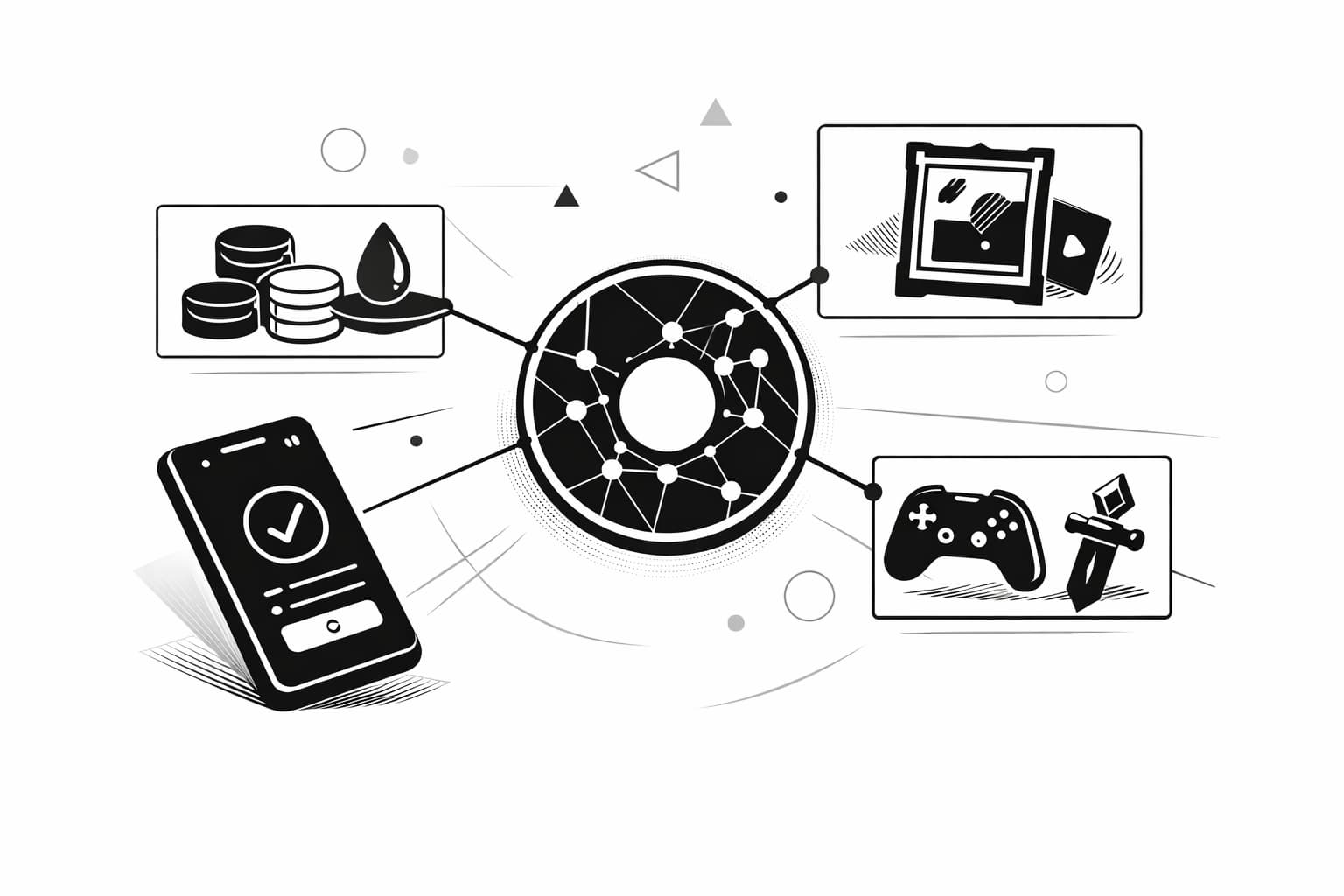
Developers are building a wide variety of decentralized applications (dApps) to take advantage of Linea's speed and low costs. You'll find a growing number of DeFi protocols for lending, borrowing, and trading assets without a middleman. NFT marketplaces are also popular, allowing creators and collectors to mint and trade digital art with minimal fees. Beyond finance and art, Web3 games are finding a home on Linea, offering players true ownership of their in-game items.
So, how do you access this world? The good news is that you likely already have the key. Because Linea was developed by ConsenSys, the same company behind MetaMask, interacting with the network is incredibly simple. You can use your existing MetaMask wallet to connect to dApps on Linea, manage your assets, and sign transactions. This direct connection makes it easy for millions of existing Ethereum users to jump in and experience the benefits of this Layer 2 network without a steep learning curve.
Linea's Growth and Statistics: Total Value Locked (TVL)
After exploring the applications built on Linea, it's helpful to look at how the network is growing. One of the best ways to measure the health and user adoption of a blockchain is by looking at its Total Value Locked, or TVL. In simple terms, TVL is the total value of all the assets users have deposited into the decentralized finance (DeFi) apps running on a specific network.
Think of it like the total deposits held by all the banks in a city. A higher number signals greater trust and economic activity. For the Linea blockchain, a rising TVL shows that more users are confident enough to lock their assets into its ecosystem for lending, trading, and other financial activities.
As of April 2026, Linea has achieved a Total Value Locked of over $4.2 billion. This figure represents strong and consistent growth since its mainnet launch, demonstrating the increasing confidence that both developers and users have placed in its secure and efficient zkEVM technology.
Does Linea Have a Native Token?
One of the most frequent questions from new users concerns a native token for the linea blockchain. As of early 2026, Linea does not have its own unique cryptocurrency. Instead of launching a new asset, the network uses Ether (ETH) as its primary currency for paying transaction fees, commonly known as gas. This design choice simplifies things for users and keeps Linea's economic activity directly tied to the broader Ethereum ecosystem.
This decision hasn't stopped widespread community discussion about a potential future airdrop. Many participants in the ecosystem are hopeful that Linea might eventually create its own token to govern the network and reward early supporters. However, it's important to understand that this is entirely speculation at this point. The team behind Linea has not confirmed any plans for a token release, so any activity based on these rumors carries inherent risk.
Key Takeaways
As we've explored the technology and potential of the Linea blockchain, it's helpful to recap the essentials. If you remember just a few things from this guide, make it these core points:
- Linea is an Ethereum Layer 2 solution. Its primary goal is to scale Ethereum by processing transactions on a separate, faster chain. This results in significantly lower fees and quicker confirmation times for users.
- It's powered by zkEVM technology. Linea uses advanced zero-knowledge proofs to bundle and verify transactions. This method provides high performance without sacrificing the strong security inherited from the main Ethereum network.
- Strong backing from ConsenSys. Developed by the same company behind MetaMask, Linea benefits from deep expertise, trust, and native integration with the world's most popular crypto wallet.
- Developer and user-friendly. Because Linea is EVM-equivalent, developers can easily move their existing Ethereum applications over. For users, this translates to a rapidly growing ecosystem of dApps with a familiar experience.
Frequently Asked Questions
- What is Linea blockchain?
- Linea is a Layer 2 scaling solution for Ethereum developed by ConsenSys. It uses zkEVM (zero-knowledge Ethereum Virtual Machine) technology to bundle transactions off-chain, making them significantly faster and cheaper. This process allows it to improve Ethereum's scalability while still inheriting its robust security for decentralized applications.
- Who owns Linea blockchain?
- Linea is developed and owned by ConsenSys, the prominent blockchain software company also responsible for MetaMask and Infura. While ConsenSys currently leads its development, the long-term vision includes a progressive decentralization of the network's governance and operation, empowering its community to shape its future direction and growth.
- Is Linea a competitor of XRP?
- No, Linea and XRP are not direct competitors because they serve entirely different purposes in the crypto space. Linea is a Layer 2 network built to scale Ethereum for dApps and smart contracts. In contrast, XRP is a Layer 1 blockchain specifically optimized for fast, low-cost cross-border payments.
- Does Linea crypto have a future?
- Linea's future looks promising due to its strong backing from ConsenSys, its innovative zkEVM technology, and a growing ecosystem with increasing Total Value Locked (TVL). Its ultimate success is closely tied to the overall growth and adoption of the Ethereum network, which it is designed to enhance and scale.
Sources
Author

Crypto analyst and blockchain educator with over 8 years of experience in the digital asset space. Former fintech consultant at a major Wall Street firm turned full-time crypto journalist. Specializes in DeFi, tokenomics, and blockchain technology. His writing breaks down complex cryptocurrency concepts into actionable insights for both beginners and seasoned investors.