Blockchain Forensics: How Companies Track Transactions
What Is Blockchain Forensics?
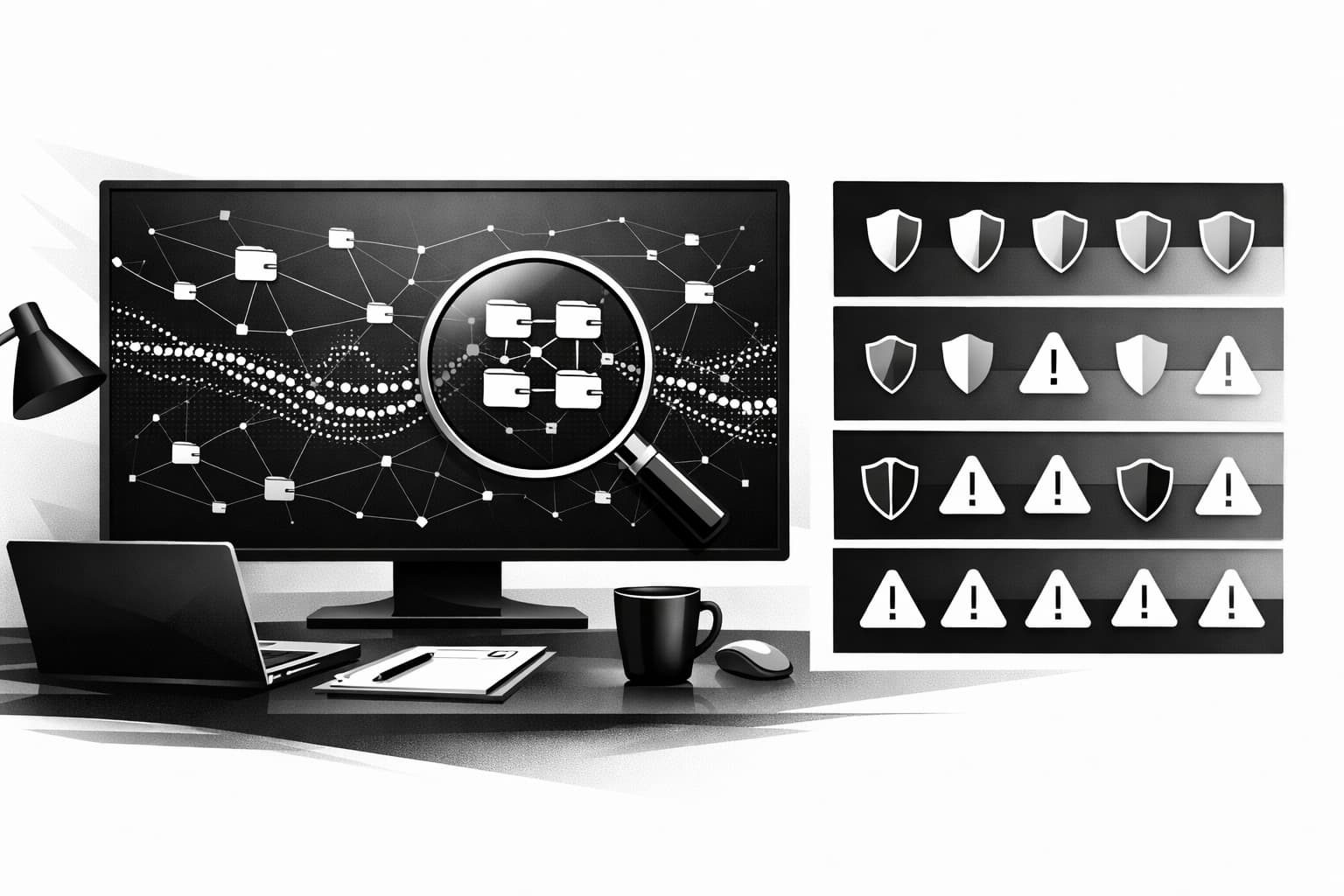
Blockchain forensics is the process of analyzing public blockchain data to trace transactions, connect wallet activity, and assess risk using investigative methods. Unlike a simple block explorer, blockchain forensics combines on-chain records with pattern analysis, attribution data, and outside evidence to understand who may be behind suspicious activity.
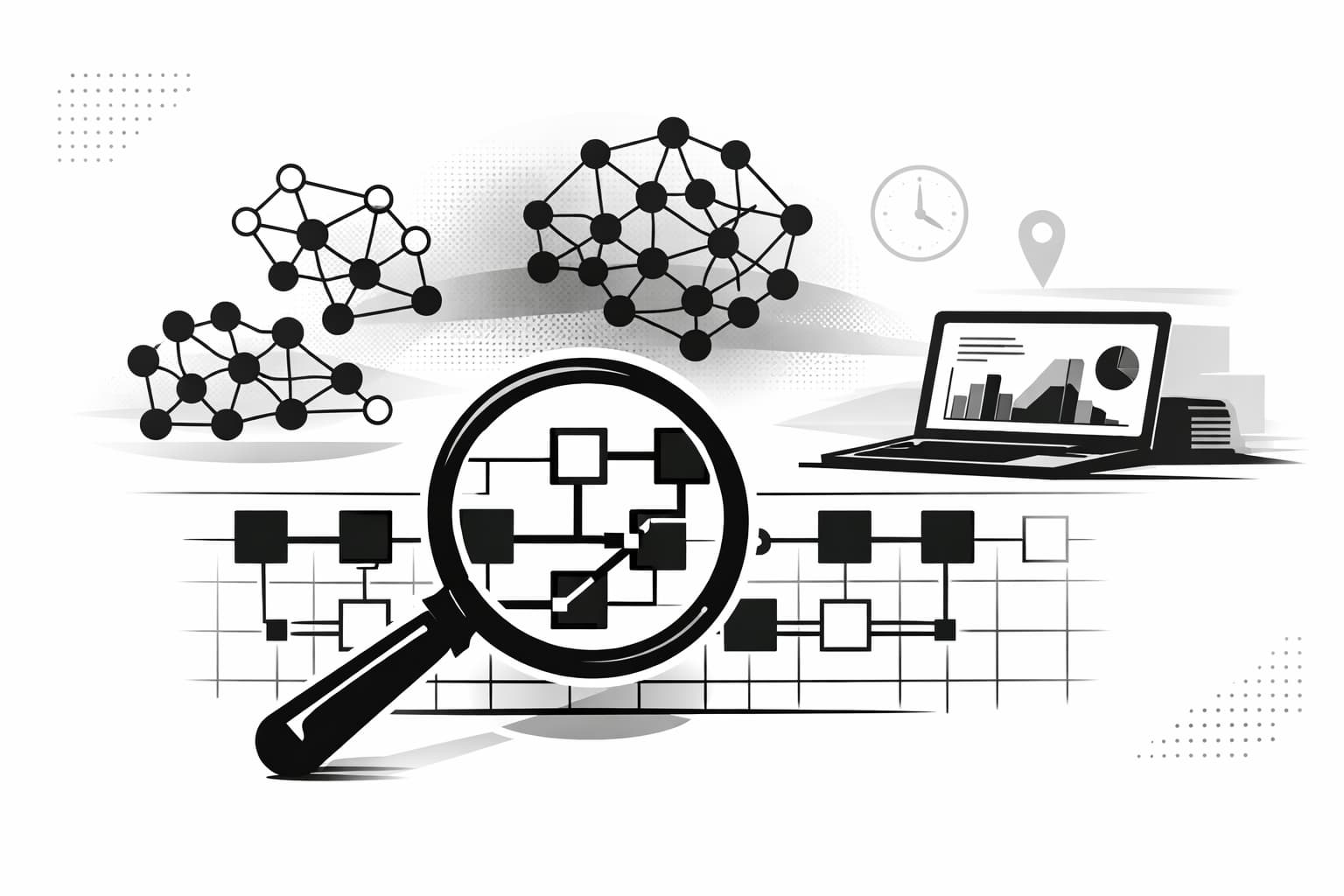
In plain English, it is the difference between seeing that coins moved from one address to another and building a usable story around that movement. Investigators look for patterns, timing, repeated behavior, and links to known services or actors. As a result, the raw ledger becomes evidence rather than just a record. Public blockchains such as Bitcoin and Ethereum are designed to publish transaction histories openly, which is why tracing is possible in the first place.[1]
Blockchain forensics vs. a blockchain scanner
Basic blockchain scanners let anyone search addresses, transaction hashes, balances, and block details. They are helpful for checking whether a payment arrived or reviewing visible wallet activity. Still, they mostly present raw data as-is.
Blockchain forensics goes further. It applies heuristics to group addresses that may belong to the same user or service, flags exposure to scams or sanctioned entities, and compares transaction behavior across large datasets. Investigators also add context from exchange records, court filings, seized wallets, open-source research, and case-specific evidence. In other words, a scanner shows what happened on-chain; a forensic investigation asks what it likely means.
Why traceability exists on public blockchains
Public blockchains are traceable because their ledgers are open and persistent. Every transaction is recorded with wallet addresses, timestamps, amounts, and links to earlier transfers. If you understand how blockchain works, the key idea is simple: once data is written to the chain, it forms a visible history that others can follow.[1]
That history can be mapped as a transaction graph, showing how funds move between wallets over time. Even when names are not attached to addresses, repeated patterns can reveal clusters, service relationships, and points where digital activity meets the real world, such as exchanges or payment processors. That is what makes blockchain forensics possible.
Why Blockchain Forensics Matters
Once you understand that blockchains leave a public record, the next question is obvious: why does that record matter in the real world? The answer is that blockchain forensics turns raw transaction history into something investigators, compliance teams, exchanges, and incident responders can act on. It helps people spot suspicious movement, connect activity across wallets, and decide when a case needs deeper review.
In practice, the stakes are high. A police unit may be tracing ransom payments after an extortion case. An exchange may be screening deposits tied to stolen funds or sanctioned entities. A compliance team may need to show regulators that it monitors crypto exposure with the same care applied to traditional financial activity. Even private companies use blockchain forensics after a wallet compromise, when they need to understand where assets moved and whether recovery is still possible. Agencies including the FBI, IRS-CI, and Europol have publicly described using blockchain analysis in financial crime investigations.[2][3]
Common use cases: fraud, hacks, sanctions, and AML
Most investigations start with a specific event: a phishing scam, a protocol exploit, a darknet payment, or funds moving through services linked to sanctions evasion. From there, analysts trace the flow outward. They look for patterns such as rapid splitting of funds, transfers through exchanges, bridges, mixers, or repeated contact with known high-risk addresses. For teams that monitor Bitcoin transactions, this can mean identifying whether incoming funds have a history that raises anti-money-laundering concerns.
That makes blockchain forensics useful well beyond criminal cases. It supports transaction monitoring, sanctions screening, fraud reviews, and post-breach response. Just as important, it gives organizations a clearer basis for freezing accounts, filing reports, or escalating a case to outside agencies. Regulators and standard-setting bodies such as FATF have also pushed virtual asset businesses to improve transaction monitoring and risk controls.[4]
The role of digital evidence and chain of custody
Tracing funds is only part of the job. Investigators also need a defensible record of what they found, when they found it, and how they reached their conclusions. That means preserving wallet addresses, transaction hashes, screenshots, tool outputs, and timing data in a way that can be reviewed later.
A documented chain of custody matters because digital evidence can end up in court, in a regulator’s inquiry, or in an internal audit. If the process is sloppy, even accurate findings can be challenged. For that reason, blockchain forensics is not just about following money. It is also about building a clear, repeatable investigative trail that others can verify.
How Blockchain Forensics Companies Track Transactions
Once you move past the basic idea, the actual work of blockchain forensics looks less like magic and more like a disciplined investigation. Analysts start with public ledger data, turn it into something searchable, follow money from one address to the next, group related wallets, and then compare those findings with records from the outside world. In practice, that process tends to follow the same four stages.
- Collect data: Analysts pull raw blockchain records from nodes and parsers, including transactions and smart contract events. They then normalize that data so activity from different chains can be compared in one system.
- Trace flows: They map how value moves between addresses by looking at transaction paths, timing, and hop counts. This helps reveal where funds came from, where they paused, and where they ended up.
- Cluster wallets: They group addresses that appear to be controlled by the same person or service based on shared spending patterns and deposit behavior. These clusters can point to exchanges, brokers, mixers, or individual users.
- Add off-chain intelligence: They combine blockchain evidence with KYC records, exchange responses, IP logs, and public reporting. That is often the step that links activity on-chain to a real actor.
Step 1: Collecting and normalizing on-chain data
The first job is data collection. A forensic firm runs its own nodes or connects to trusted infrastructure to pull raw blockchain records directly from networks such as Bitcoin, Ethereum, and other chains. Those records include transaction inputs and outputs, balances, timestamps, token transfers, and smart contract event logs.
After that, the raw data has to be cleaned up and standardized. Different chains store information in different formats, so analysts use blockchain parsers to translate those records into a common structure. Without that normalization step, comparing activity across networks would be messy and slow. With it, investigators can search wallet addresses, transactions, token movements, and contract interactions in a more consistent way.
Step 2: Following fund flows across addresses
Next comes tracing. Analysts build transaction graphs that show how funds move from one address to another over time. Instead of reading one transaction at a time, they look at paths: where money entered, how many hops it took, whether it split into smaller amounts, and whether those amounts later merged again.
Timing matters here. A quick series of transfers may suggest an attempt to obscure the trail, while repeated movements at regular intervals can point to automated behavior. Value matters too. Even when someone breaks funds into many transactions, the amounts and sequence can still leave a pattern. This is how blockchain forensics firms follow flows through exchanges, bridges, payment processors, and sometimes privacy tools, even if the trail becomes less clear at certain points.
Step 3: Clustering wallets and identifying entities
A single user or service usually controls more than one address, so investigators try to group related wallets into clusters. They do this with heuristics, which are evidence-based rules rather than absolute proof. For example, if several addresses are repeatedly used together as inputs in one transaction, that can suggest common control. Exchange deposit patterns can also help, especially when many addresses feed into a known collection wallet.[5]
Over time, these patterns help analysts label clusters as likely exchanges, gambling services, merchants, OTC brokers, or personal wallets. Even so, there are limits. Shared infrastructure, custodial services, coinjoin activity, and smart contract interactions can make clustering less certain. Good investigators treat clustering as a strong lead, not the final answer.
Step 4: Adding off-chain intelligence
This is where an address becomes a person, company, or organized group. On-chain data can show behavior, but off-chain information often provides the name behind it. Investigators may compare a suspicious cluster with exchange KYC records, account registration details, withdrawal histories, IP logs, device data, customer support records, or documents obtained through legal requests.
Open-source intelligence also plays a part. Forum posts, social profiles, breach data, court filings, and company announcements can all help confirm who controlled an address at a given time. Then, if law enforcement is involved, subpoenas, preservation requests, and international cooperation can fill in the remaining gaps. Put together, these sources turn a public ledger trail into a case that can support compliance action, asset recovery, or prosecution.
What Is On-Chain Analysis?
At this point, it helps to separate one part of blockchain forensics from the larger investigation. On-chain analysis is the study of public blockchain data: transactions, wallet activity, token transfers, and interactions recorded on the ledger itself. In plain English, it asks: what happened on the chain, when did it happen, and which addresses appear connected by behavior?
That makes on-chain analysis a core piece of blockchain forensics, but not the whole job. It is very good at tracing movement, spotting patterns, and highlighting suspicious flows. Even so, a full forensic case often goes beyond the ledger and brings in exchange records, court orders, account data, seized devices, and other off-chain evidence. So while on-chain analysis can map activity with surprising detail, it does not always answer who was behind it.
Key signals investigators look for
Investigators look for repeatable patterns rather than isolated transactions. They examine wallet behavior, how often funds move, typical transaction sizes, active hours, and whether an address sends to many counterparties or just a few. They also track token movements across chains, review interactions with smart contracts, and flag contact with mixers, sanctioned services, scam wallets, or known theft-related addresses. Taken together, these signals help analysts estimate risk and decide which activity deserves closer review.
Where on-chain analysis stops
Still, blockchain data has limits. An address can show behavior, but behavior alone does not prove legal identity, intent, or control. A wallet may be shared, delegated, hacked, or run through an automated service. Because of that, blockchain forensics usually treats on-chain findings as strong indicators, then tests them against outside records before drawing conclusions that could support enforcement or litigation.
Tools, Heuristics, and Techniques Used in Blockchain Forensics
Once investigators move past simply reading the ledger, they rely on a working toolkit to turn raw transaction history into leads. In practice, blockchain forensics combines graph analysis, labeling systems, scoring models, and pattern detection to narrow a very large search space. The key point is that these methods are usually probabilistic. They can suggest that wallets are likely connected or that activity looks high risk, but they do not prove identity on their own.
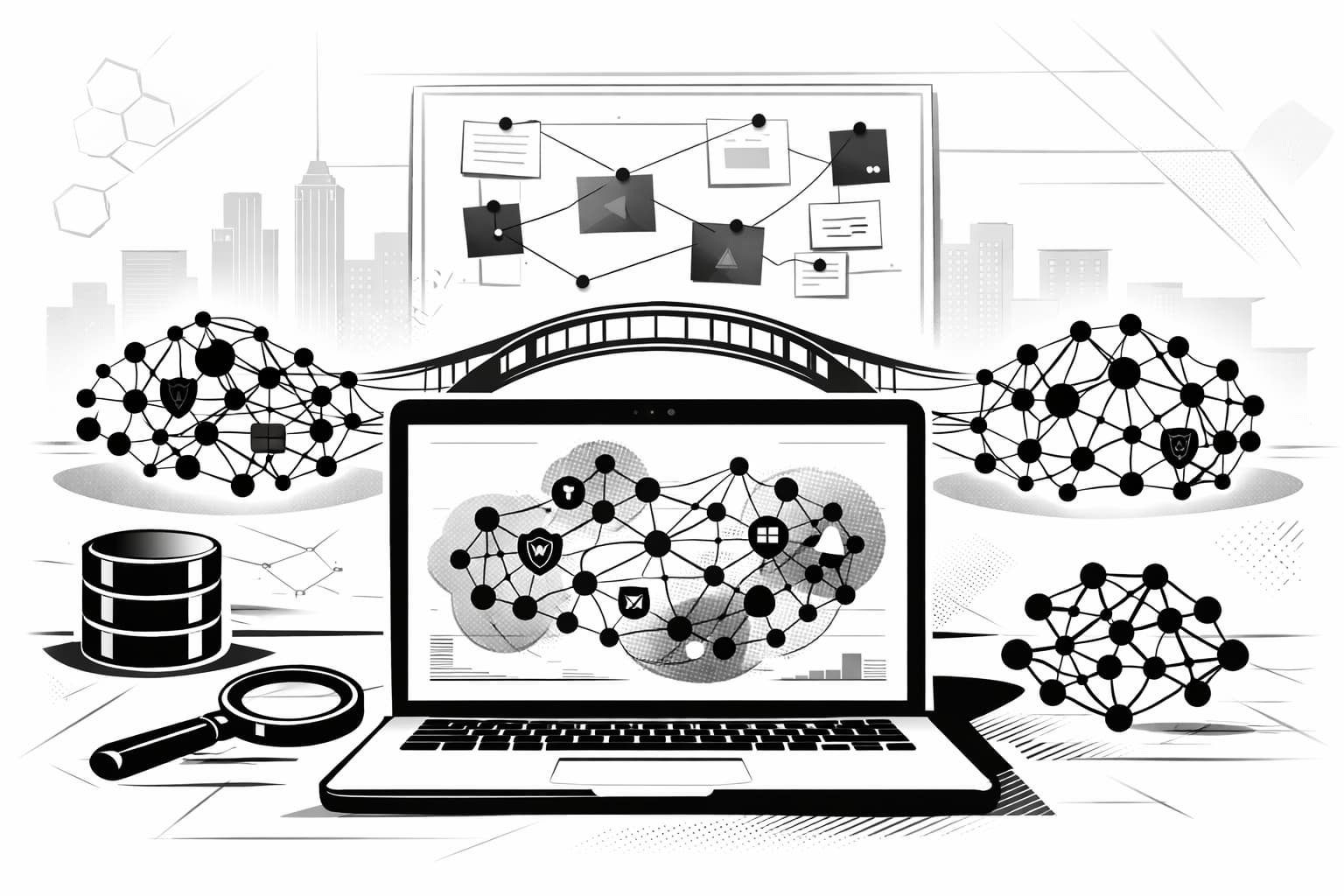
Many platforms map transactions into graph databases, where addresses, wallets, and transfers become connected nodes and edges. That makes it easier to trace funds across hops, spot repeated patterns, and follow activity across EVM-based chains and other networks. Analysts then layer in known service labels, prior case data, and off-chain records to test whether the on-chain picture matches reality.
method/tool | what it does | main limitation |
|---|---|---|
clustering | groups addresses that may be controlled by the same entity | heuristics can be wrong, especially with privacy tools or shared wallets |
graph analysis | shows fund flows, transaction paths, and network relationships | reveals movement, not confirmed identity |
risk scoring | flags addresses or transfers linked to suspicious patterns | scores depend on model assumptions and data quality |
off-chain attribution | connects wallets to exchanges, services, or people using outside records | often requires subpoenas, leaks, or platform cooperation |
Address Clustering and Attribution Heuristics
A common starting point in blockchain forensics is address clustering. One classic heuristic is common-input analysis: if several addresses are used together to fund one transaction, they may belong to the same controller. Analysts also look for likely change addresses, which can hint at which output returned funds to the sender. Service labeling adds another layer by tagging wallets tied to exchanges, mixers, gambling sites, bridges, and payment processors.[5]
Still, confidence matters. Some attributions are strong because they are backed by deposit address records or public disclosures. Others are weaker and based only on behavior. Good investigators treat labels as hypotheses with confidence levels, not final answers.
Risk Scoring, Alerts, and Investigative Workflows
From there, tools assign risk scores based on exposure to sanctioned entities, stolen funds, darknet markets, fraud patterns, rapid layering, or unusual cross-chain movement. Alerts help investigators sort through thousands of transactions by highlighting what deserves attention first. Machine learning can assist by finding repeated typologies, timing patterns, or transaction structures that a human might miss.
Even so, a high score is not the same as proof of wrongdoing. In real investigations, analysts validate alerts with exchange records, IP logs, device data, court orders, and interviews. That is what turns blockchain forensics from pattern matching into evidence that can stand up to scrutiny.
Limits, Privacy Challenges, and Evasion Tactics
Even so, blockchain forensics is not magic. It works best when transactions leave visible patterns and when on-chain activity can be tied to real-world services. The harder cases are the ones designed to break that chain of visibility: mixers, cross-chain bridges, privacy-focused assets, fast-moving peel chains, and accounts operated through VPNs or decentralized apps with little or no customer verification.
That does not mean the trail simply disappears. In many cases, investigators stop looking for a perfect straight line and start looking for enough context to explain what likely happened, where funds paused, and which services may have acted as chokepoints.
Mixers, bridges, and privacy-enhancing tools
Mixers and coin-joining tools make tracing harder by blending many users’ funds together, weakening direct transaction links. Bridges add another layer of difficulty because assets move from one blockchain to another, often through pooled contracts that hide one-to-one movement. Privacy coins can go further by obscuring sender, receiver, or amount data entirely.
In response, blockchain forensics teams often shift from direct tracing to pattern analysis. They may examine timing, deposit and withdrawal behavior, repeated wallet interactions, bridge entry and exit points, or later cash-outs through exchanges and payment services. Peel chains also leave clues: small repeated transfers, predictable fee behavior, and downstream consolidation can still reveal a spending pattern. Even when a VPN masks an IP address, account behavior, device history held by a service, or off-chain records can help fill gaps.
Why blockchain forensics is powerful but not perfect
The biggest limitation is attribution. A wallet is not a person, and a cluster is still an inference. That matters because false positives can happen, especially when decentralized services pool user activity or when heuristics are applied too confidently.
For that reason, good blockchain forensics does not rest on one signal alone. Analysts usually seek corroboration from exchange records, seized devices, chat logs, sanctions data, or public posts. So while privacy tools and evasive behavior can raise the cost of tracing, they do not always stop it. More often, they force investigators to build a case from several partial views rather than one clean path.
How Investigations Turn Blockchain Data Into Real-World Cases
Once blockchain forensics has mapped suspicious flows, the next step is turning that trace into evidence that people, companies, and courts can act on. On-chain findings rarely end an investigation by themselves. Instead, they give investigators a starting point for compliance reviews, civil disputes, internal fraud cases, and criminal probes.
In practice, analysts prepare a clear timeline: when funds moved, which wallets received them, where they were consolidated, and whether they touched exchanges, payment services, or known entities. That record helps compliance teams decide whether to file reports, pause withdrawals, or escalate a case. In civil litigation, it can support asset-tracing claims and requests for preservation orders. In criminal matters, it may guide subpoenas, search warrants, and requests to freeze or seize funds before they move again.
From Wallet Tracing to Enforcement Action
The key shift happens when traced addresses intersect with off-chain records. If funds reach a regulated exchange, investigators may seek account data through legal process or formal information requests. That can link wallet activity to names, email addresses, login records, device details, or bank accounts. From there, blockchain forensics supports a courtroom-ready report that explains the transaction path, the methods used, and the limits of the conclusions. In other words, the blockchain shows the money trail; enforcement tools connect that trail to a real-world actor. Public enforcement actions by the U.S. Department of Justice and other agencies show this pattern repeatedly: on-chain tracing identifies the path, and legal process fills in the identity.[2]
What Blockchain Forensics Means for Everyday Crypto Users
After all that, the practical takeaway is simple: most crypto activity is far more visible than many people think. Blockchain forensics works because public ledgers preserve transaction history, and that history can often be connected to exchange records, wallet patterns, and other identifying clues. For everyday users, that means crypto is not the same as being anonymous. If you need a refresher on cryptocurrency basics, it helps to start there.
How to use crypto with realistic privacy expectations
Use crypto as if your transactions may later be reviewed. Avoid reusing addresses when possible, learn how crypto wallets manage visibility, and remember that sending funds through a regulated exchange usually creates records tied to your identity. In practice, good habits are about safety and clarity, not hiding. Keep clean records, double-check addresses, and assume public transaction data may be analyzed long after you click send. That is the real-world lesson of blockchain forensics.
Frequently Asked Questions
- How much do blockchain forensics people make?
- Pay varies widely by role, location, and experience. Analysts and compliance investigators may earn moderate to high five-figure or low six-figure salaries, while specialized forensic consultants often earn more. Compensation also differs across private analytics firms, crypto exchanges, consulting practices, and public-sector or law enforcement positions.
- Is blockchain forensics legit?
- Yes. Blockchain forensics is a legitimate investigative and compliance field used by exchanges, regulators, and law enforcement to trace funds, assess risk, and support cases. The work relies on public blockchain records plus off-chain evidence, but findings are usually best treated as probabilistic unless independently confirmed.
- What are the top 5 blockchains?
- That depends on whether you mean market value, user activity, or developer adoption. Common examples include Bitcoin, Ethereum, Solana, BNB Chain, and Tron. For blockchain forensics, visibility differs by chain because data structures, wallet behavior, and privacy features can make tracing easier or harder.
- Can the FBI track Bitcoin?
- Yes, agencies such as the FBI can often trace Bitcoin transactions because the blockchain is public and permanently recorded. In practice, tracking usually combines on-chain analysis with exchange account records, subpoenas, seized phones or laptops, IP data, and other digital evidence to identify real people.
Sources
- TRM Forensics | Blockchain Investigations Platform
- Blockchain Forensics | Elliptic Investigator
- Securing the Blockchain: How Tracker Simplifies Blockchain Forensics for Law Enforcement Agencies
- Intro to Blockchain Forensics. Blockchain forensics is a specialized… | by Dehvcurtis | Medium
- Blockchain Forensics: A Systematic Literature Review of Techniques, Applications, Challenges, and Future Directions | MDPI
Author

Crypto analyst and blockchain educator with over 8 years of experience in the digital asset space. Former fintech consultant at a major Wall Street firm turned full-time crypto journalist. Specializes in DeFi, tokenomics, and blockchain technology. His writing breaks down complex cryptocurrency concepts into actionable insights for both beginners and seasoned investors.